India has taken a significant step forward in combating dengue fever with the regulatory approval of QDENGA, a vaccine developed by Japanese pharmaceutical company Takeda. This marks only the second dengue vaccine to receive authorization in India, opening new possibilities for disease prevention in a country where dengue remains a major public health challenge.
Understanding the Dengue Threat in India
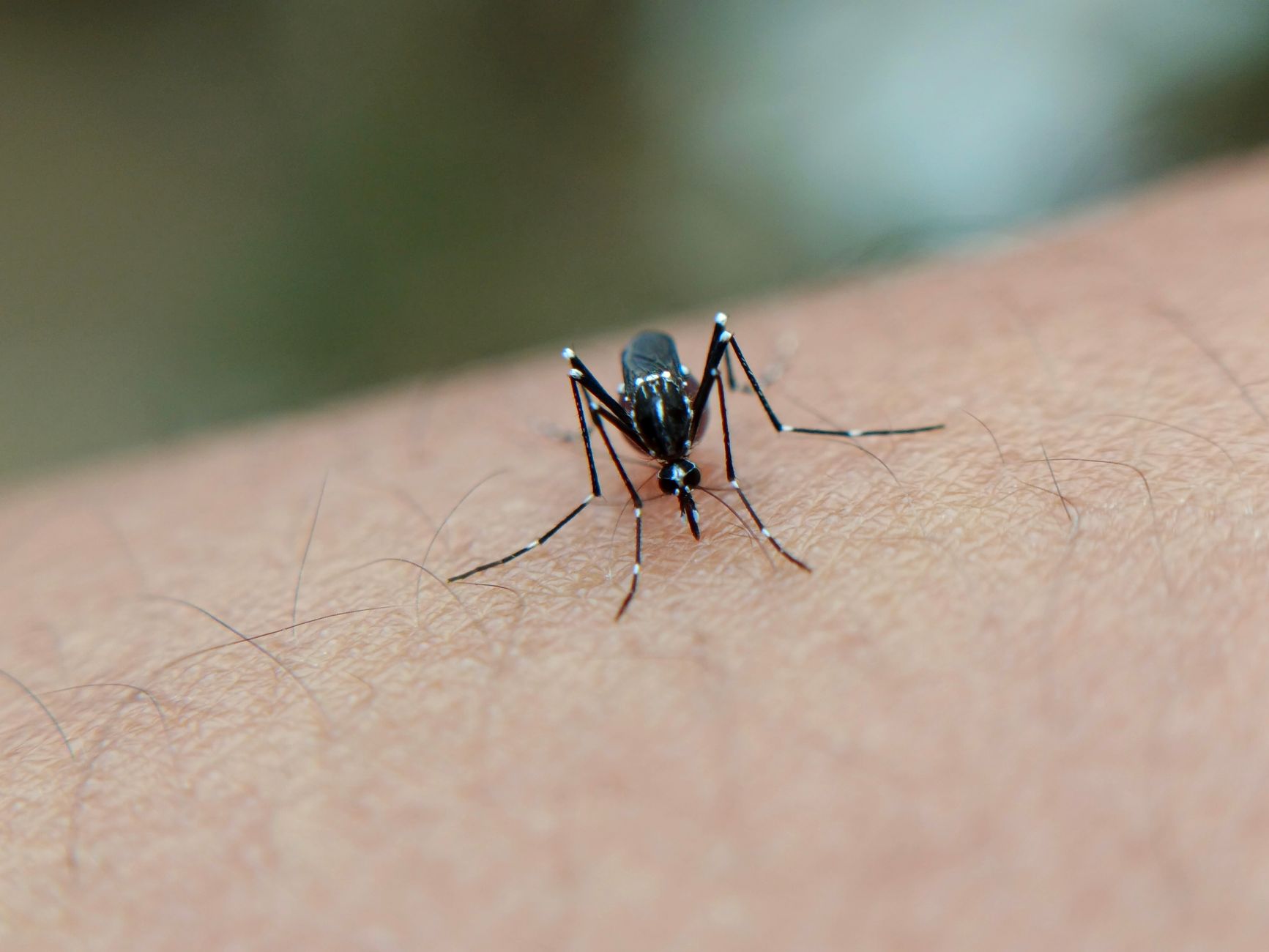
Dengue fever is a mosquito-borne viral infection that has become increasingly prevalent across India, particularly during and after the monsoon season. The disease is transmitted primarily by Aedes aegypti mosquitoes and can range from mild flu-like symptoms to severe complications including dengue hemorrhagic fever and dengue shock syndrome, which can be fatal.
India reports hundreds of thousands of dengue cases annually, with numbers often spiking during the rainy months when mosquito breeding accelerates. Urban and semi-urban areas are particularly vulnerable due to water accumulation in densely populated neighborhoods. The disease places substantial burden on healthcare systems and causes significant economic losses through medical costs and lost productivity.
What Makes QDENGA Different
QDENGA is a live-attenuated tetravalent vaccine, meaning it contains weakened versions of all four dengue virus serotypes. This comprehensive coverage is crucial because infection with one serotype does not provide immunity against the other three, and subsequent infections with different serotypes can actually increase the risk of severe dengue.
The vaccine is administered as a two-dose regimen, with the second dose given three months after the first. Clinical trials have demonstrated its ability to reduce dengue cases and hospitalizations across diverse populations in dengue-endemic regions.
How It Compares to Existing Options
India previously had access to only one dengue vaccine, which came with specific restrictions and recommendations. The availability of QDENGA provides healthcare providers with an additional tool and potentially expands the population that can benefit from dengue vaccination.
Different vaccines have varying efficacy profiles and administration requirements, giving doctors more flexibility in choosing appropriate preventive strategies for different patient populations and risk scenarios.
Who Can Benefit from Vaccination
Dengue vaccines are typically recommended for individuals living in or traveling to endemic areas where dengue transmission is common. The specific age groups and eligibility criteria for QDENGA in India will be determined by health authorities based on clinical trial data and local epidemiological patterns.
- Residents of high-burden states and cities with recurring dengue outbreaks
- Healthcare workers with increased exposure risk
- Travelers to dengue-endemic regions
- Individuals with previous dengue infection who remain at risk of reinfection
The Broader Prevention Strategy
While vaccine approval represents important progress, experts emphasize that vaccination should complement rather than replace existing dengue control measures. A comprehensive approach to dengue prevention includes multiple components.
Vector control remains fundamental to reducing dengue transmission. This involves eliminating mosquito breeding sites by removing standing water from containers, properly managing water storage, and ensuring adequate waste disposal. Community participation in cleanup drives and awareness campaigns plays a vital role in these efforts.
Personal protection measures such as using mosquito repellents, wearing protective clothing, and installing window screens also contribute to reducing infection risk, especially during peak mosquito activity hours in early morning and late afternoon.
Implementation Challenges Ahead
The approval of QDENGA opens new possibilities, but several practical considerations will determine its real-world impact. Pricing and affordability will influence how widely the vaccine can be deployed, particularly in resource-limited settings where dengue burden is often highest.
Healthcare infrastructure must support proper vaccine storage, distribution, and administration. The two-dose schedule requires systems to track patients and ensure completion of the full regimen. Public awareness and acceptance of dengue vaccination will also affect uptake rates.
Looking Forward
The introduction of QDENGA represents a meaningful addition to India's dengue prevention toolkit during a time when climate change and urbanization may be expanding the geographic range and seasonal duration of dengue transmission. Health authorities will need to develop clear guidelines on vaccine deployment priorities, target populations, and integration with existing public health programs.
As India gains experience with multiple dengue vaccine options, real-world effectiveness data will help refine vaccination strategies and potentially reduce the substantial morbidity and mortality associated with this preventable disease.
This article is for general information purposes only and should not be considered medical advice. Consult qualified healthcare professionals for personalized recommendations regarding dengue prevention and vaccination based on individual health status and risk factors.