India's monsoon season has long been associated with a spike in vector-borne diseases, but the pattern of illnesses is changing. Recent data shows dengue cases are climbing sharply across the country, while traditional monsoon diseases like malaria and kala-azar are showing a declining trend. This shift, combined with the growing burden of non-communicable diseases (NCDs), presents Indian healthcare systems with a dual challenge that requires different strategies and resources.
Why Dengue Cases Are Increasing
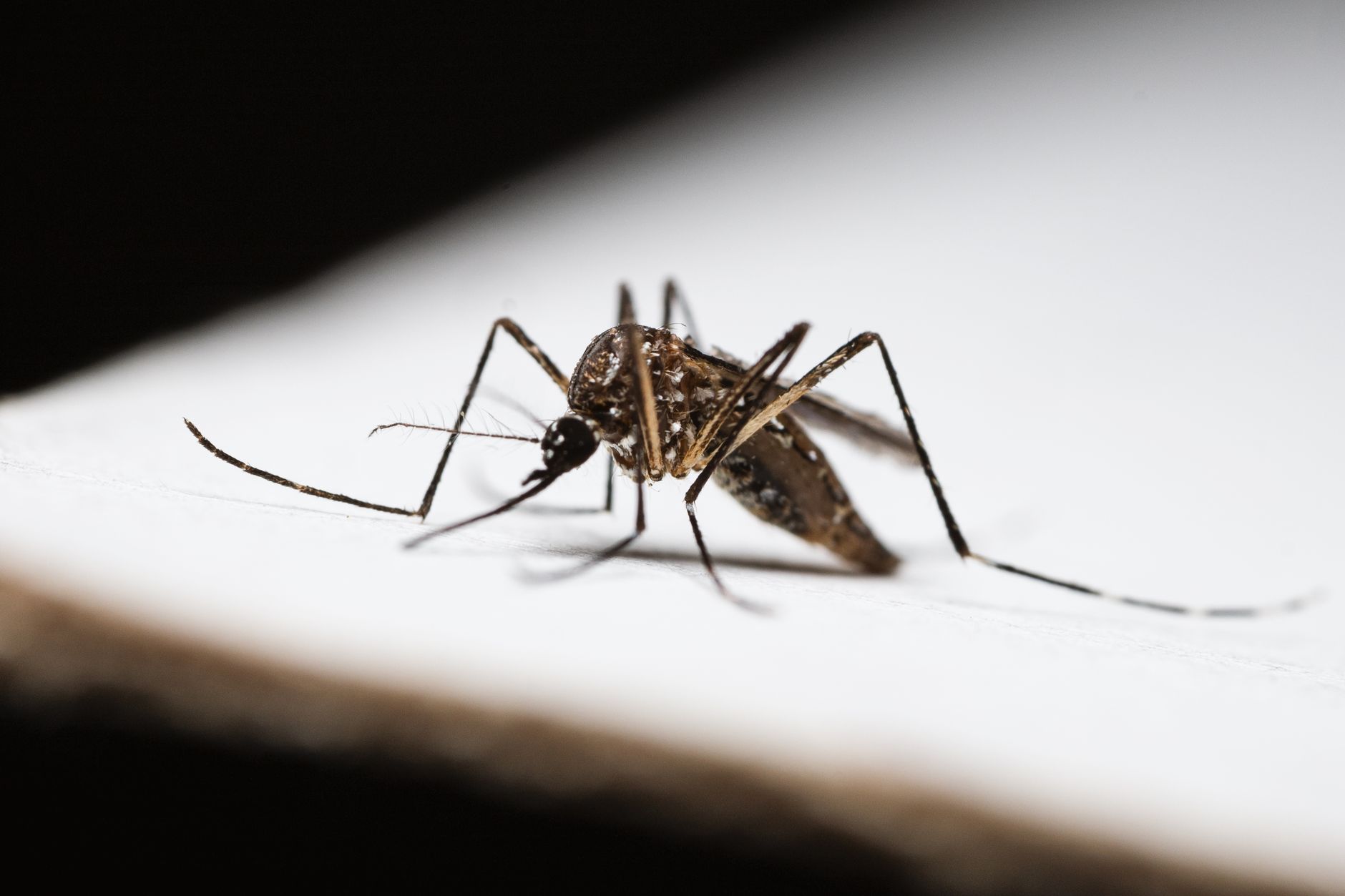
Dengue fever, transmitted by the Aedes aegypti mosquito, thrives in urban and semi-urban environments where water stagnation provides ideal breeding grounds. Several factors are driving the current surge in dengue infections across India.
Climate change has extended the monsoon season and created more favorable conditions for mosquito breeding. Warmer temperatures and irregular rainfall patterns allow mosquitoes to multiply faster and survive longer. Urban expansion has also played a significant role, as densely populated cities with inadequate waste management and water storage systems create numerous breeding sites in discarded containers, coolers, and construction sites.
Additionally, the Aedes mosquito has adapted well to urban environments, breeding in clean, stagnant water found in homes and commercial spaces. Unlike malaria-carrying mosquitoes that prefer rural and forested areas, dengue mosquitoes have become highly urbanized, biting primarily during daylight hours when people are active.
The Decline of Malaria and Kala-Azar
While dengue rises, India has made significant progress in controlling malaria and kala-azar (visceral leishmaniasis). Government programs focusing on vector control, improved diagnostics, and timely treatment have contributed to this success.
The National Vector Borne Disease Control Programme has intensified efforts in malaria-endemic regions, distributing insecticide-treated bed nets and conducting indoor residual spraying in high-risk areas. Better access to rapid diagnostic tests and artemisinin-based combination therapies has improved treatment outcomes, preventing severe cases and deaths.
For kala-azar, India has been working toward elimination targets through active case detection, indoor residual spraying, and vector management in endemic states like Bihar, Jharkhand, Uttar Pradesh, and West Bengal. The disease, transmitted by sandflies, has seen a dramatic reduction in incidence due to these focused interventions.
Understanding the Double Disease Burden
India now faces what epidemiologists call a "double disease burden" – the persistence of infectious diseases alongside a growing epidemic of non-communicable diseases (NCDs) such as diabetes, hypertension, heart disease, and cancer.
This dual challenge strains healthcare resources differently than either category alone would. Infectious diseases require rapid response systems, surveillance networks, and vector control measures, while NCDs demand long-term care infrastructure, lifestyle modification programs, and chronic disease management.
The rise in NCDs is driven by several factors:
- Changing dietary patterns with increased consumption of processed foods high in sugar, salt, and unhealthy fats
- Sedentary lifestyles due to urbanization and technology-driven work environments
- Increasing stress levels and inadequate sleep patterns
- Rising tobacco and alcohol consumption
- Air pollution, particularly in urban areas
- An aging population more susceptible to chronic conditions
Protecting Yourself During Monsoon Season
Prevention remains the most effective strategy against dengue and other monsoon-related illnesses. Individuals can take several practical steps to reduce their risk.
Eliminate mosquito breeding sites around your home by emptying and cleaning water storage containers weekly, disposing of items that collect rainwater, and ensuring proper drainage of water from coolers, plant pots, and discarded tires. Use mosquito repellents during the day when dengue-carrying mosquitoes are most active, and install mesh screens on windows and doors.
Recognize dengue symptoms early – high fever, severe headache, pain behind the eyes, joint and muscle pain, rash, and mild bleeding. Seek medical attention immediately if you experience these symptoms, as early diagnosis and supportive care significantly improve outcomes. Avoid self-medication with aspirin or ibuprofen, which can increase bleeding risk.
For NCD prevention, adopt lifestyle modifications including regular physical activity, a balanced diet rich in fruits and vegetables, stress management, and regular health check-ups to monitor blood pressure, blood sugar, and cholesterol levels.
The Path Forward
Addressing India's evolving disease burden requires integrated healthcare approaches. Strengthening primary healthcare systems to handle both acute infectious diseases and chronic NCD management is essential. Public health campaigns must adapt to address urban vector-borne diseases while continuing rural interventions, and climate-resilient health strategies will become increasingly important.
Investment in disease surveillance systems, research into emerging disease patterns, and community engagement in prevention efforts will determine how effectively India manages this complex health landscape in the years ahead.
This article provides general health information and should not replace professional medical advice. Consult healthcare providers for diagnosis, treatment, and personalized health recommendations.