India has unveiled an ambitious tourism roadmap at the WOW Awards Asia, with Maharashtra taking center stage as the poster child for the country's transformation into a global travel powerhouse. The move signals a coordinated effort to diversify India's tourism offerings beyond traditional pilgrimage and leisure travel, targeting high-value segments that promise sustained economic growth.
The Maharashtra Advantage
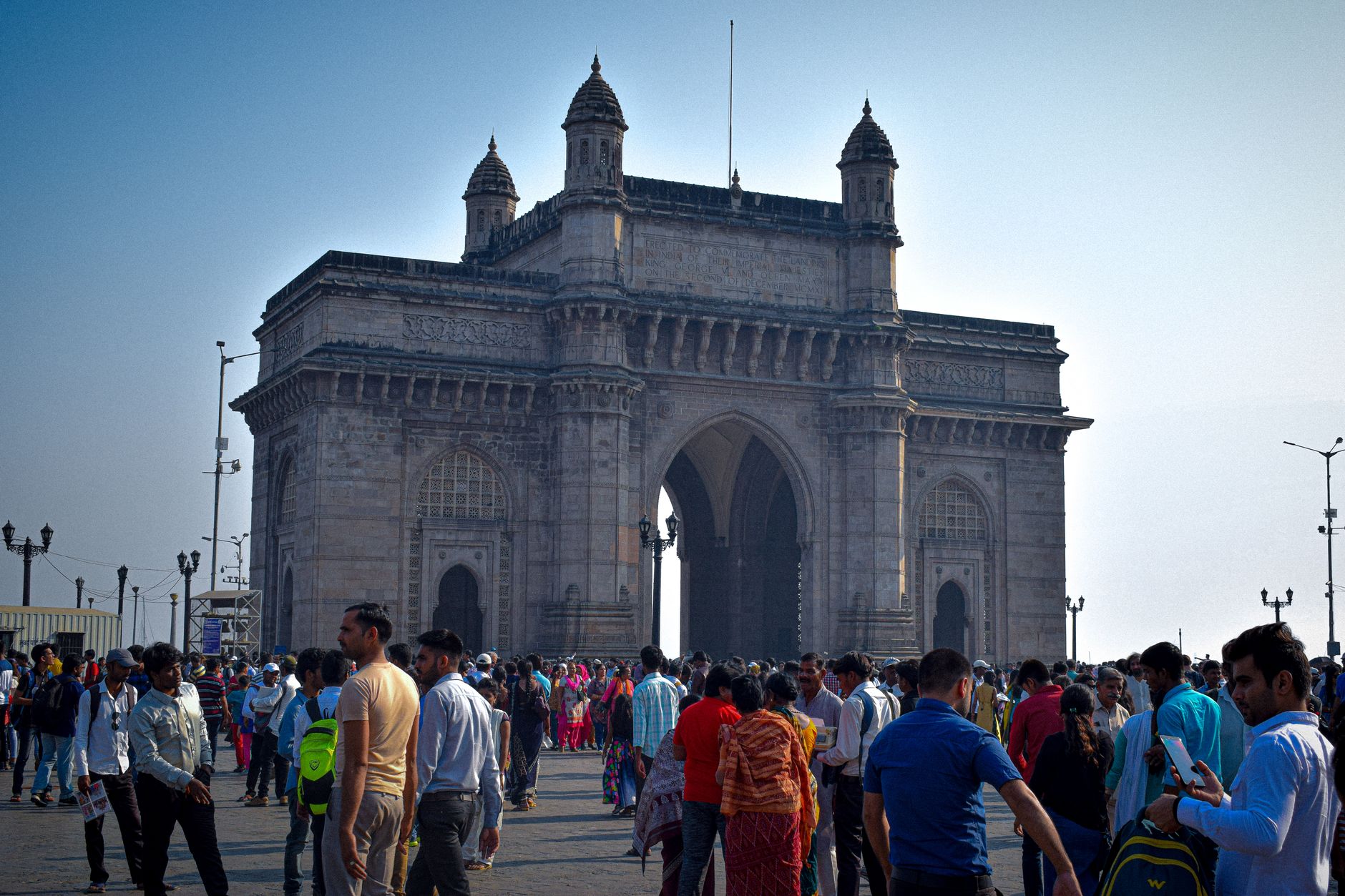
Maharashtra, home to Mumbai and a string of UNESCO World Heritage Sites, is uniquely positioned to lead India's tourism renaissance. The state boasts the Ajanta and Ellora Caves, Chhatrapati Shivaji Maharaj Terminus, and the Victorian Gothic and Art Deco Ensembles of Mumbai—all recognized by UNESCO for their cultural and historical significance.
Beyond heritage, Maharashtra offers diverse landscapes from the Western Ghats to Konkan beaches, making it an attractive proposition for varied tourist profiles. The state government has invested heavily in infrastructure upgrades, including improved road connectivity, airport expansions, and hotel capacity additions, particularly in tier-2 cities like Aurangabad and Nashik.
MICE Travel: The Corporate Tourism Goldmine
Meetings, Incentives, Conferences, and Exhibitions (MICE) travel represents one of the fastest-growing and most lucrative segments in global tourism. Business travelers typically spend three to four times more than leisure tourists, making this segment particularly attractive for economic development.
India's MICE infrastructure has historically lagged behind regional competitors like Singapore, Thailand, and Malaysia. However, Maharashtra's presentation at the WOW Awards Asia demonstrates a serious commitment to changing this narrative. The state has been developing world-class convention centers, upgrading business hotels, and streamlining visa processes for business visitors.
Mumbai already functions as India's financial capital, but the push extends to cities like Pune, which has emerged as a technology and automobile manufacturing hub. These cities offer the dual advantage of business relevance and cultural experiences, a combination that MICE organizers find increasingly appealing.
Destination Weddings: Capturing the Romance Economy
The destination wedding market in India has exploded in recent years, with estimates suggesting it could be worth several billion dollars annually. Maharashtra is positioning itself to capture a larger share of this market, competing with established wedding destinations like Rajasthan, Goa, and Kerala.
The state's strategy focuses on offering diverse venue options—from heritage forts and palaces in regions like Marathwada to luxury beach resorts along the Konkan coast and vineyard properties in Nashik. The climate advantage of winter months and proximity to major international airports give Maharashtra a logistical edge.
Destination weddings bring significant economic multiplier effects, as wedding parties typically book accommodations for multiple days, employ local vendors, and generate substantial ancillary spending. The government's focus on this segment reflects an understanding of tourism economics beyond simple visitor numbers.
The 2026 Timeline and Infrastructure Reality
The specific focus on 2026 suggests India is working toward a concrete deadline, possibly aligned with major international events or infrastructure completion targets. This timeframe requires immediate action on several fronts.
Infrastructure development remains critical. While Maharashtra has made progress, challenges persist in areas like last-mile connectivity, tourism-focused skill development, and service quality standardization. The state needs trained hospitality professionals, multilingual guides, and customer service personnel who meet international expectations.
Digital infrastructure also requires attention. Modern travelers expect seamless digital experiences, from booking to navigation to payment systems. Maharashtra's tourism ecosystem must integrate technology effectively to compete globally.
Broader Implications for Indian Tourism
Maharashtra's aggressive positioning at international platforms like the WOW Awards Asia represents a shift in India's tourism strategy. Rather than relying solely on central government initiatives, states are taking ownership of their tourism brands and competing for international attention.
This approach could trigger healthy competition among Indian states, leading to improved infrastructure and services nationwide. If Maharashtra succeeds in its MICE and destination wedding push, other states will likely follow with their own specialized positioning strategies.
The focus on high-value tourism segments also addresses a longstanding challenge in Indian tourism: generating economic value beyond sheer visitor numbers. By targeting business travelers, wedding parties, and cultural tourists willing to spend on premium experiences, Maharashtra aims to maximize revenue per visitor.
Challenges Ahead
Despite the optimism, significant hurdles remain. India's tourism sector still grapples with issues like inconsistent service quality, bureaucratic barriers, and safety perceptions that occasionally surface in international media. Maharashtra must address these concerns while scaling up its infrastructure.
Competition from established Asian tourism destinations remains fierce. Countries like Thailand, Singapore, and the UAE have decades of experience catering to international travelers and have refined their offerings accordingly. Maharashtra's success will depend on identifying and delivering unique value propositions that these competitors cannot easily replicate.
The UNESCO heritage angle provides such differentiation, as does India's cultural depth and the warmth of its hospitality traditions. If Maharashtra can package these intangible advantages with world-class infrastructure and services, the 2026 vision could indeed transform India's position on the global tourism map.