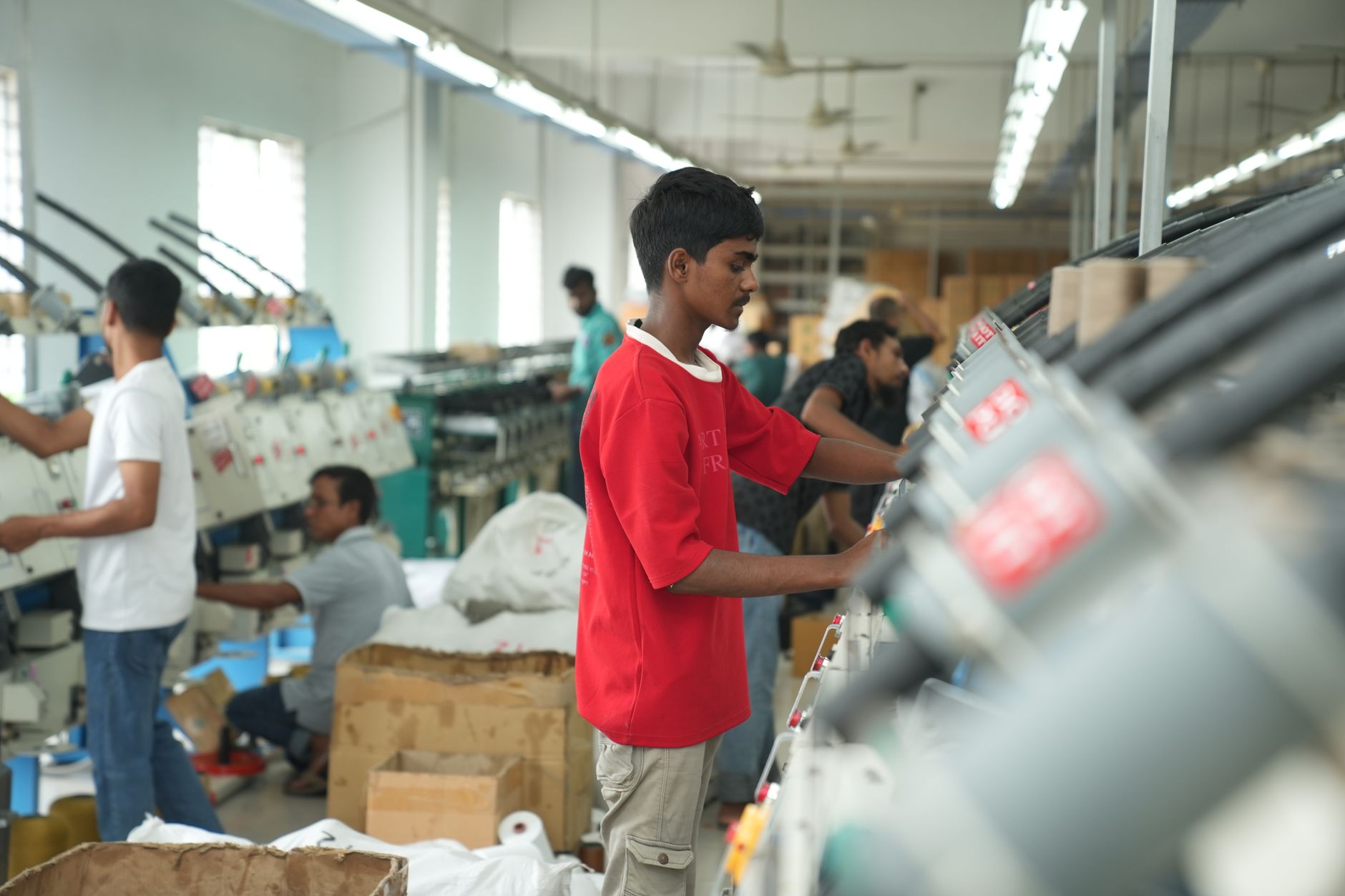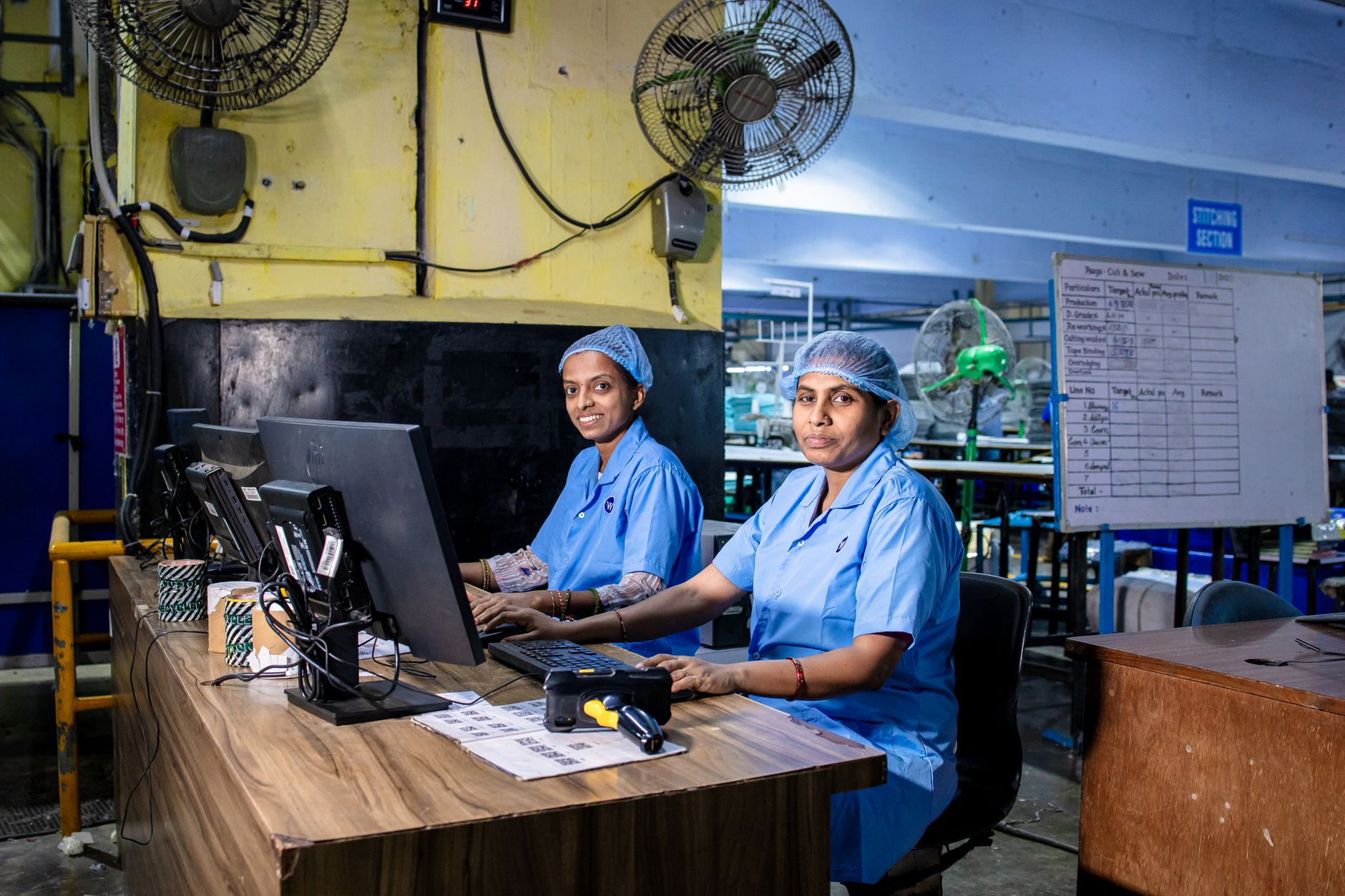
India's job market is experiencing a fundamental transformation as tier-2 cities emerge as the new destinations for career growth and opportunity. Cities like Pune, Ahmedabad, Jaipur, Chandigarh, Kochi, and Indore are witnessing unprecedented hiring activity, challenging the long-held dominance of Bengaluru, Mumbai, and Delhi as the primary employment hubs.
The Great Indian Talent Migration
The pandemic fundamentally altered how Indians view work and lifestyle balance. Professionals who spent years navigating traffic congestion, paying exorbitant rents, and sacrificing personal time are now reassessing their priorities. Tier-2 cities offer a compelling value proposition: meaningful employment opportunities without the excessive cost of living and quality of life compromises associated with metros.
Recent data indicates that professionals in their late twenties and thirties, particularly those with 5-15 years of experience, are leading this migration. These individuals have established credentials and can negotiate remote or hybrid work arrangements, making relocation to smaller cities viable without sacrificing career progression.
Why Companies Are Following Talent
Businesses are recognizing that restricting operations to major metros limits their talent pool and inflates operational costs. Office space in Bengaluru or Mumbai can cost three to four times more than equivalent facilities in Coimbatore or Visakhapatnam. Additionally, employee salary expectations in tier-2 locations remain 15-25 percent lower while delivering comparable productivity.
Technology companies, in particular, are establishing development centers and satellite offices across tier-2 cities. Global capability centers, business process management firms, and even traditional sectors like manufacturing and pharmaceuticals are expanding their footprint beyond the big three metros.
The availability of quality educational institutions in these cities has created a ready pipeline of skilled graduates who prefer staying close to home rather than migrating to congested metros. This local talent retention benefits both employers seeking stable workforces and reduces the cultural adjustment challenges associated with hiring from diverse backgrounds.
Quality of Life as the Deciding Factor
The tier-2 advantage extends beyond economics. Professionals cite shorter commute times, often under 30 minutes compared to 90-minute daily commutes in major cities, as a significant lifestyle improvement. Housing affordability enables young professionals to purchase homes earlier in their careers rather than spending decades renting in metros.
Environmental factors also play a role. Many tier-2 cities offer cleaner air, less noise pollution, and greater access to green spaces. For families, the availability of good schools, lower crime rates, and stronger community connections make these cities particularly attractive.
Cities like Jaipur and Kochi combine employment opportunities with rich cultural heritage and tourism appeal, offering residents a more balanced lifestyle. The ability to maintain closer connections with extended family, particularly important in Indian culture, further sweetens the proposition.
Infrastructure Improvements Enabling Growth
Government initiatives focusing on smart city development, improved connectivity, and digital infrastructure have made tier-2 cities increasingly viable for modern businesses. Better airports, highway networks, and last-mile connectivity have reduced the isolation these cities once experienced.
High-speed internet penetration and reliable power supply, once significant obstacles, have improved dramatically. Co-working spaces, startup incubators, and modern retail developments are transforming the urban landscape of these cities, making them feel less provincial and more cosmopolitan.
Challenges That Remain
Despite the momentum, tier-2 cities face certain limitations. Specialized healthcare facilities, international schools, and certain lifestyle amenities remain concentrated in major metros. Professional networking opportunities and industry events are less frequent, potentially impacting career development for some sectors.
Job diversity remains narrower compared to metros. While technology and business services are expanding rapidly, opportunities in niche sectors like fashion, media, or specialized finance remain limited. This could restrict career options for professionals seeking industry changes.
The Road Ahead
This trend appears sustainable rather than temporary. As remote work normalizes and digital infrastructure continues improving, the competitive advantages of tier-2 cities will likely strengthen. Companies may increasingly adopt hub-and-spoke models, maintaining headquarters in metros while expanding operations across multiple tier-2 locations.
For job seekers, this shift opens new possibilities for career advancement without the traditional requirement of metro relocation. The coming years will likely see continued decentralization of India's employment landscape, creating more balanced regional economic development and offering professionals genuine choices about where to build their careers and lives.