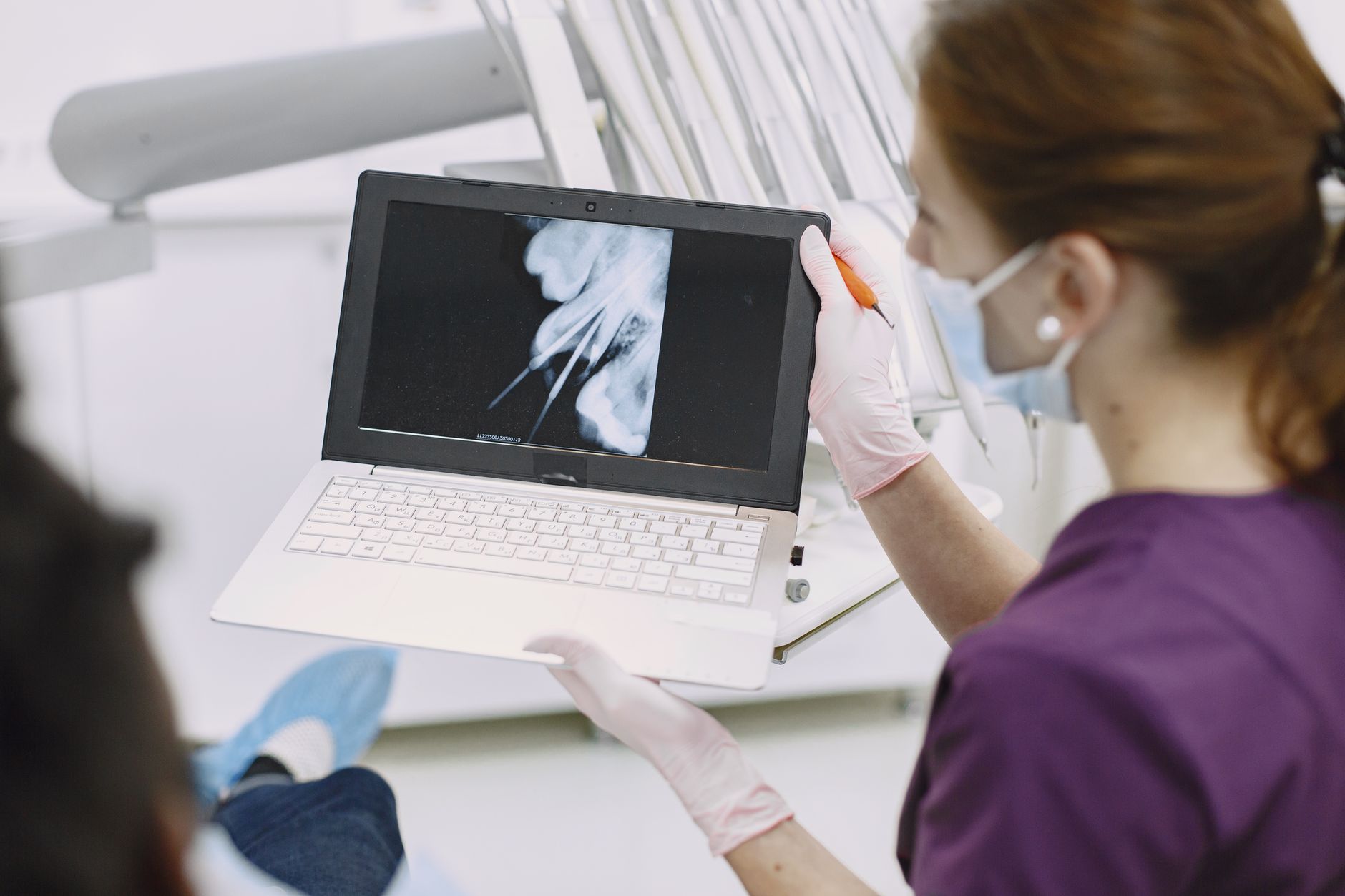
In an era of global health challenges and technological advancement, Japan and India are forging deeper partnerships in the healthcare and medical device sectors. This collaboration brings together Japan's cutting-edge medical technology expertise with India's manufacturing capabilities and vast healthcare market, creating a synergy that could reshape the medical landscape in both countries and beyond.
Why This Partnership Matters
The healthcare collaboration between Japan and India represents more than just a bilateral trade agreement. India is home to over 1.4 billion people with growing healthcare needs, while Japan possesses some of the world's most advanced medical technologies and decades of experience in precision manufacturing. By combining these strengths, both nations stand to benefit significantly.
For India, this partnership offers access to sophisticated medical equipment and know-how that can help modernize hospitals and healthcare facilities across the country. Japan, meanwhile, gains entry into one of the world's fastest-growing healthcare markets and a manufacturing partner that can help scale production at competitive costs.
Key Areas of Potential Collaboration
Several specific sectors are likely to benefit from this enhanced cooperation:
Medical Device Manufacturing
India has emerged as a significant player in pharmaceutical manufacturing, but the medical device sector has remained relatively underdeveloped, with the country importing a substantial portion of its high-end medical equipment. Japanese companies bringing manufacturing facilities or technology transfer arrangements to India could help reduce this import dependency while creating jobs and building local expertise.
Healthcare Technology Transfer
Japanese firms are global leaders in diagnostic imaging, robotic surgery systems, and precision medical instruments. Technology transfer agreements could enable Indian companies to manufacture these devices domestically, potentially at lower costs, making advanced medical care more accessible to Indian patients while allowing Japanese companies to expand their market reach.
Research and Development
Joint research initiatives in areas such as telemedicine, artificial intelligence in diagnostics, and medical devices suited for tropical diseases could yield innovations beneficial to both nations. India's strong IT sector and large patient population make it an ideal partner for clinical trials and technology validation.
Current State of India's Medical Device Industry
India's medical device market is currently valued at several billion dollars and growing at double-digit rates annually. However, the country remains heavily reliant on imports for sophisticated equipment like MRI machines, CT scanners, and specialized surgical instruments. The government has identified medical devices as a priority sector under various "Make in India" initiatives.
The collaboration with Japan could accelerate India's progress toward self-reliance in this critical sector. Japanese investment and expertise could help Indian manufacturers meet international quality standards, potentially making India an export hub for medical devices to other developing nations.
Benefits for Japanese Companies
Japan's medical device manufacturers face challenges at home, including a shrinking domestic population and intense global competition. India offers them several advantages:
- A massive and growing market with increasing healthcare spending
- Lower manufacturing costs compared to Japan
- A skilled workforce, particularly in engineering and IT
- A strategic location for serving the broader Asian and African markets
Regulatory Harmonization
One significant aspect of such collaborations often involves aligning regulatory frameworks. India has been working to streamline its medical device regulations to attract foreign investment and ensure patient safety. Learning from Japan's robust regulatory systems could help India develop world-class standards while maintaining accessibility and affordability.
Challenges to Address
Despite the promising prospects, several challenges need attention for the collaboration to succeed fully:
- Intellectual property protection concerns
- Differences in regulatory approval processes
- Infrastructure gaps in some regions of India
- Need for skilled technicians to operate and maintain sophisticated equipment
- Price sensitivity in the Indian market versus high-quality Japanese manufacturing costs
Looking Forward
The deepening collaboration between Japan and India in healthcare and medical devices represents a strategic partnership with long-term potential. As both nations navigate post-pandemic healthcare priorities and work toward universal health coverage goals, such partnerships become increasingly vital.
For Indian patients, this could mean better access to quality medical equipment and advanced treatments. For both economies, it represents job creation, technology advancement, and stronger bilateral ties. The success of this collaboration could serve as a model for how developed and developing nations can work together to address global health challenges while creating mutual economic benefits.
This article is for general informational purposes only and does not constitute medical, business, or investment advice. Readers should conduct their own research and consult with appropriate professionals before making any healthcare or business decisions.