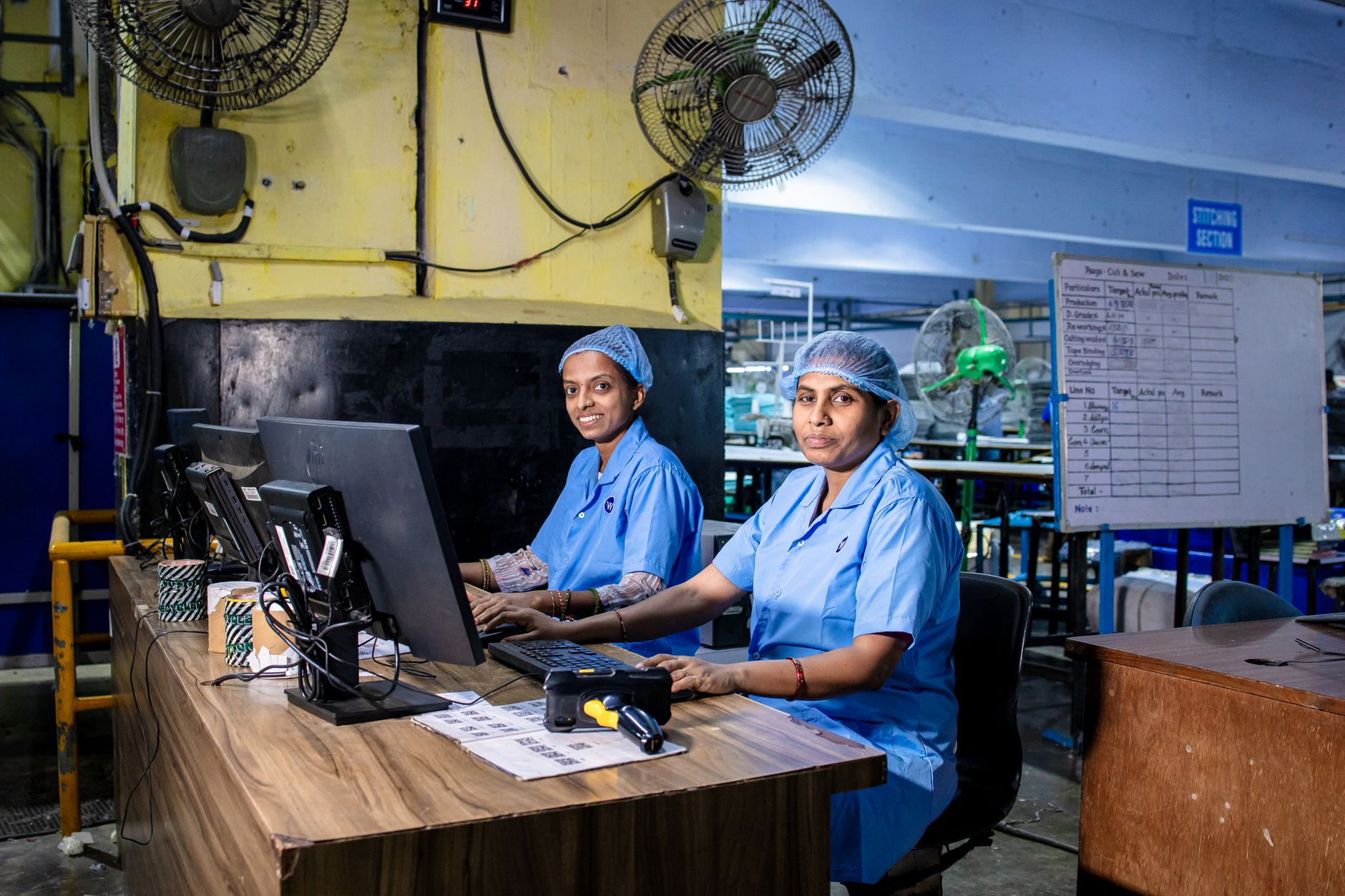
India's job market is experiencing a significant transformation that would have seemed unlikely just a decade ago. The technology sector, long considered the country's economic engine and employment powerhouse, is witnessing a slowdown in hiring. Meanwhile, an entirely different field—mental health and therapy—is experiencing remarkable growth in demand for professionals.
The IT Sector's Changing Landscape
For over two decades, information technology and software jobs have been the aspirational career choice for millions of Indian students and professionals. The sector has been responsible for creating lakhs of jobs annually and transforming India into a global technology hub. However, recent trends indicate a marked shift in this trajectory.
Several factors are contributing to this slowdown. Automation and artificial intelligence are increasingly handling tasks that previously required human programmers. Many routine coding jobs are being eliminated or consolidated. Global economic uncertainty has also led multinational corporations to tighten their technology budgets, resulting in fewer projects being outsourced to India.
Additionally, the technology sector itself is maturing. The explosive growth phase that characterized the 2000s and 2010s has given way to more measured expansion. Companies are now prioritizing efficiency and specialized skills over mass hiring, making the job market more competitive and selective.
The Rise of Mental Health Professions
In stark contrast, the mental health sector is experiencing unprecedented demand. Therapists, counselors, psychologists, and psychiatric social workers are finding more opportunities than ever before in India's evolving healthcare landscape.
This growth reflects several societal changes. The COVID-19 pandemic significantly impacted mental health across all demographics, bringing conversations about psychological wellbeing into the mainstream. What was once stigmatized is now increasingly recognized as essential healthcare.
Why Mental Health Careers Are Booming
- Increased awareness and reduced stigma around mental health issues
- Growing corporate focus on employee wellness programs
- Expansion of health insurance coverage to include mental health services
- Rising stress levels in urban environments
- Better integration of mental health services in schools and colleges
- Government initiatives promoting mental health awareness
- Growth of teletherapy platforms making services more accessible
Young Indians are increasingly open to seeking professional help for anxiety, depression, stress, and relationship issues. This cultural shift has created a supply-demand gap, with qualified mental health professionals unable to keep pace with the growing need for services.
Economic Factors at Play
The economic dynamics behind these shifts are complex. IT salaries, while still competitive, are no longer growing at the astronomical rates seen previously. In contrast, experienced therapists and counselors are commanding premium fees, particularly in urban centers where demand far exceeds supply.
Private practice has become increasingly viable for mental health professionals. A therapist in a metro city can charge anywhere from Rs 1,500 to Rs 5,000 per session, with successful practitioners seeing multiple clients daily. Corporate wellness programs and online therapy platforms also offer stable employment with competitive compensation.
What This Means for Job Seekers
For students and professionals considering career changes, these trends offer important insights. The shift doesn't mean IT careers are obsolete, but rather that the sector is becoming more specialized. Professionals with expertise in emerging areas like cybersecurity, data science, cloud architecture, and AI development continue to find strong opportunities.
For those interested in mental health careers, the opportunities are substantial but require proper qualifications. A master's degree in psychology, psychiatric social work, or counseling is typically the minimum requirement. Additional certifications in specialized therapeutic approaches can enhance career prospects.
The Broader Picture
This employment shift reflects India's transition from a primarily technology-driven economy to a more diversified one that addresses varied societal needs. As India's middle class grows and becomes more health-conscious, service sectors beyond traditional domains are experiencing growth.
The healthcare sector broadly, including allied health professions, nursing, and public health, is expanding. Similarly, creative industries, renewable energy, and specialized consulting services are creating new employment avenues.
Looking Ahead
The job market transformation is likely to continue. Technology will remain important, but the nature of tech jobs will evolve. Meanwhile, as India grapples with rising mental health concerns—the World Health Organization estimates that one in seven Indians suffers from mental health issues—the demand for qualified professionals will only intensify.
For policy makers, this shift underscores the need to strengthen mental health education infrastructure and create more training opportunities for aspiring therapists. For individuals, it highlights the importance of choosing careers aligned with both personal interests and evolving market realities rather than simply following traditional paths.
This article is for general informational purposes only and should not be considered as professional career advice. Individual career decisions should be based on personal circumstances, qualifications, and thorough research into specific opportunities.