The Production Linked Incentive (PLI) scheme has emerged as the Indian government's flagship initiative to boost domestic manufacturing across 14 strategic sectors. Launched in 2020, the programme promises financial rewards to companies that meet production and investment targets. But as the initial euphoria settles, a pertinent question arises: can monetary incentives alone transform India into a manufacturing powerhouse?
Understanding the PLI Framework
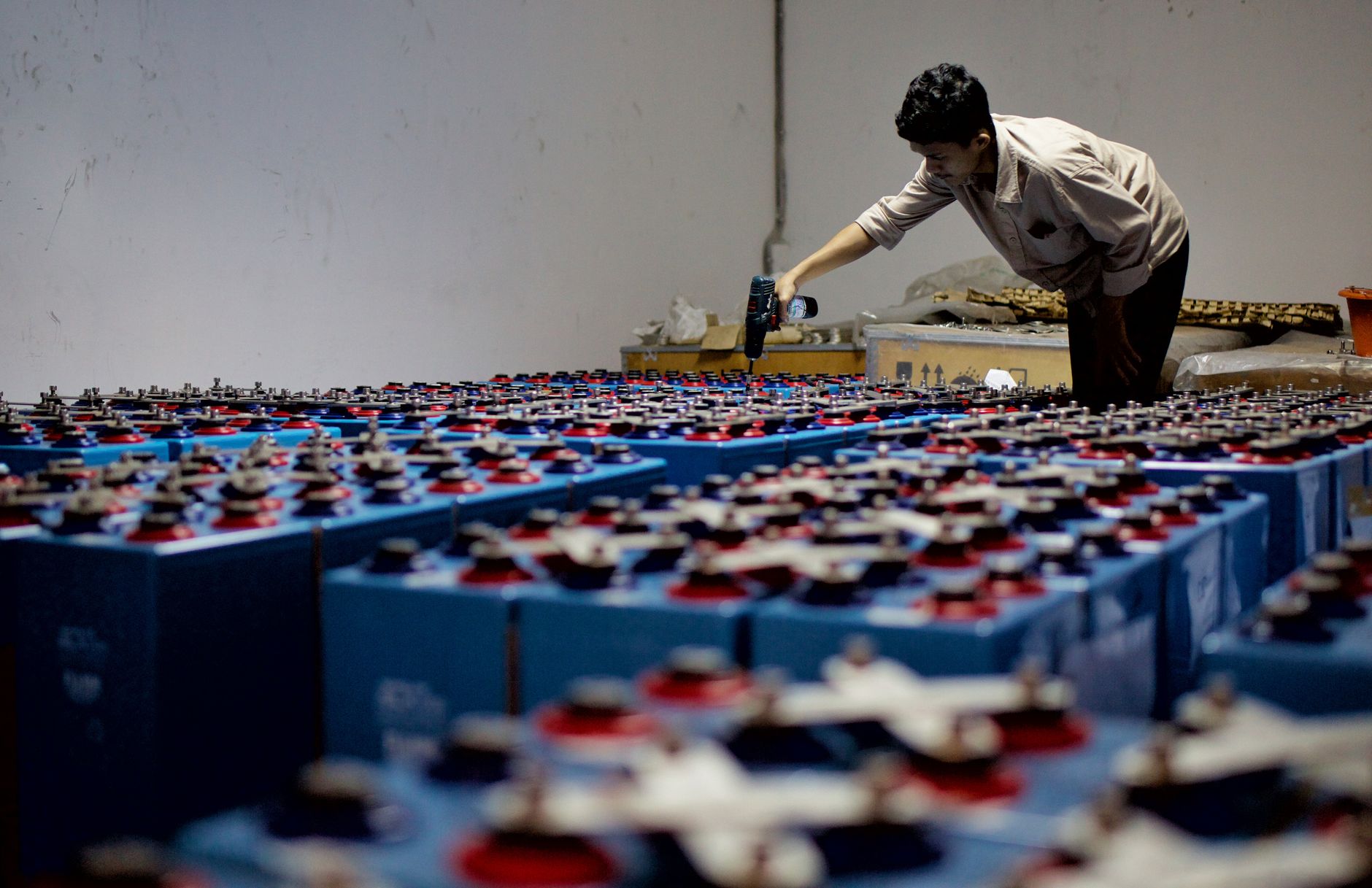
The PLI scheme offers incentives ranging from 4% to 6% on incremental sales of products manufactured in India over a defined period, typically five years. The government has allocated approximately Rs 1.97 lakh crore across sectors including electronics, automobiles, pharmaceuticals, textiles, food processing, and advanced chemistry cell batteries.
The scheme aims to achieve multiple objectives: making Indian manufacturers globally competitive, attracting foreign direct investment, creating employment opportunities, and reducing import dependence in critical sectors. Early results show promise, with several global electronics manufacturers setting up operations and the smartphone production ecosystem gaining momentum.
The Successes So Far
The electronics manufacturing sector presents the most visible PLI success story. Apple's expansion of iPhone production in India, supported by suppliers like Foxconn and Pegatron, demonstrates the scheme's ability to attract marquee names. The sector has witnessed substantial investment commitments and a significant uptick in production volumes.
Similarly, the pharmaceutical sector has seen renewed interest in active pharmaceutical ingredient (API) manufacturing, addressing a critical supply chain vulnerability exposed during the COVID-19 pandemic. Several companies have announced capacity expansion plans under the PLI umbrella.
The Missing Pieces of the Puzzle
However, manufacturing competitiveness extends far beyond financial incentives. Industry experts consistently point to systemic challenges that PLI alone cannot address.
Infrastructure remains a fundamental constraint. Efficient logistics networks, reliable power supply, accessible ports, and last-mile connectivity significantly impact manufacturing costs. While India has made progress on some infrastructure fronts, gaps persist, particularly in tier-2 and tier-3 cities where land costs might be lower but connectivity poses challenges.
Regulatory and Administrative Hurdles
The ease of doing business, despite improvements in recent years, continues to challenge manufacturers. Multiple clearances across central, state, and local levels create delays. Labour law compliance, though reformed, remains complex for new entrants unfamiliar with Indian regulations.
Land acquisition presents another bottleneck. Even when industrial land is allocated, clear titles, necessary utilities, and environmental clearances can take months or years to obtain. This contrasts sharply with competitor nations like Vietnam or Bangladesh, where single-window clearances expedite the establishment process.
Skill Development Gap
Manufacturing competitiveness hinges on workforce skills. While India boasts a demographic dividend with a young population, the mismatch between available skills and industry requirements remains stark. PLI incentivizes production but doesn't directly address the need for skilled technicians, quality control specialists, and process engineers that modern manufacturing demands.
Vocational training infrastructure needs significant expansion and alignment with industry requirements. Countries that have successfully built manufacturing ecosystems typically invested heavily in technical education alongside investment incentives.
The Supply Chain Ecosystem Challenge
Manufacturing rarely occurs in isolation. A robust ecosystem of component suppliers, raw material providers, and ancillary service providers determines overall competitiveness. Building this ecosystem requires time, coordination, and often sector-specific interventions beyond financial incentives.
For instance, while PLI might attract a mobile phone assembler, the absence of local display panel manufacturers, battery cell producers, or advanced semiconductor fabrication units means continued import dependence for critical components, limiting value addition and competitiveness.
Cost Competitiveness Factors
Manufacturing costs encompass multiple elements: labour, power, logistics, raw materials, and compliance costs. While PLI improves the equation, it doesn't eliminate inherent disadvantages. Power tariffs in India often exceed those in competing nations. Logistics costs, as a percentage of GDP, remain higher than global benchmarks. These structural cost disadvantages require systemic reforms rather than production incentives alone.
The Path Forward
Most economists and industry bodies agree that PLI represents a necessary but insufficient condition for manufacturing success. The scheme works best when complemented by:
- Streamlined regulatory frameworks and genuinely effective single-window clearances
- Infrastructure investments in industrial corridors and connectivity
- Trade agreements that facilitate raw material imports and finished goods exports
- Coordinated skill development aligned with sector requirements
- Targeted interventions to develop component manufacturing ecosystems
Several states have recognized this reality and are implementing complementary reforms. Gujarat, Tamil Nadu, and Karnataka have introduced state-level incentives, infrastructure development, and faster clearance mechanisms to maximize PLI benefits.
International Comparisons
Countries like South Korea, Taiwan, and more recently Vietnam, built manufacturing capabilities through comprehensive approaches. Financial incentives formed part of their strategy, but so did massive infrastructure investments, education system overhauls, and business-friendly regulatory frameworks. Their experiences suggest that manufacturing transformation requires patient, multi-pronged policy approaches sustained over decades, not just incentive schemes.
The PLI scheme has undeniably catalyzed manufacturing investments and brought India onto the radar of global supply chain planners. However, transforming India into a genuine manufacturing alternative to China or Southeast Asian nations requires addressing deeper structural issues. PLI can open doors, but infrastructure, skills, regulatory efficiency, and ecosystem development must walk through them to ensure sustained manufacturing success.