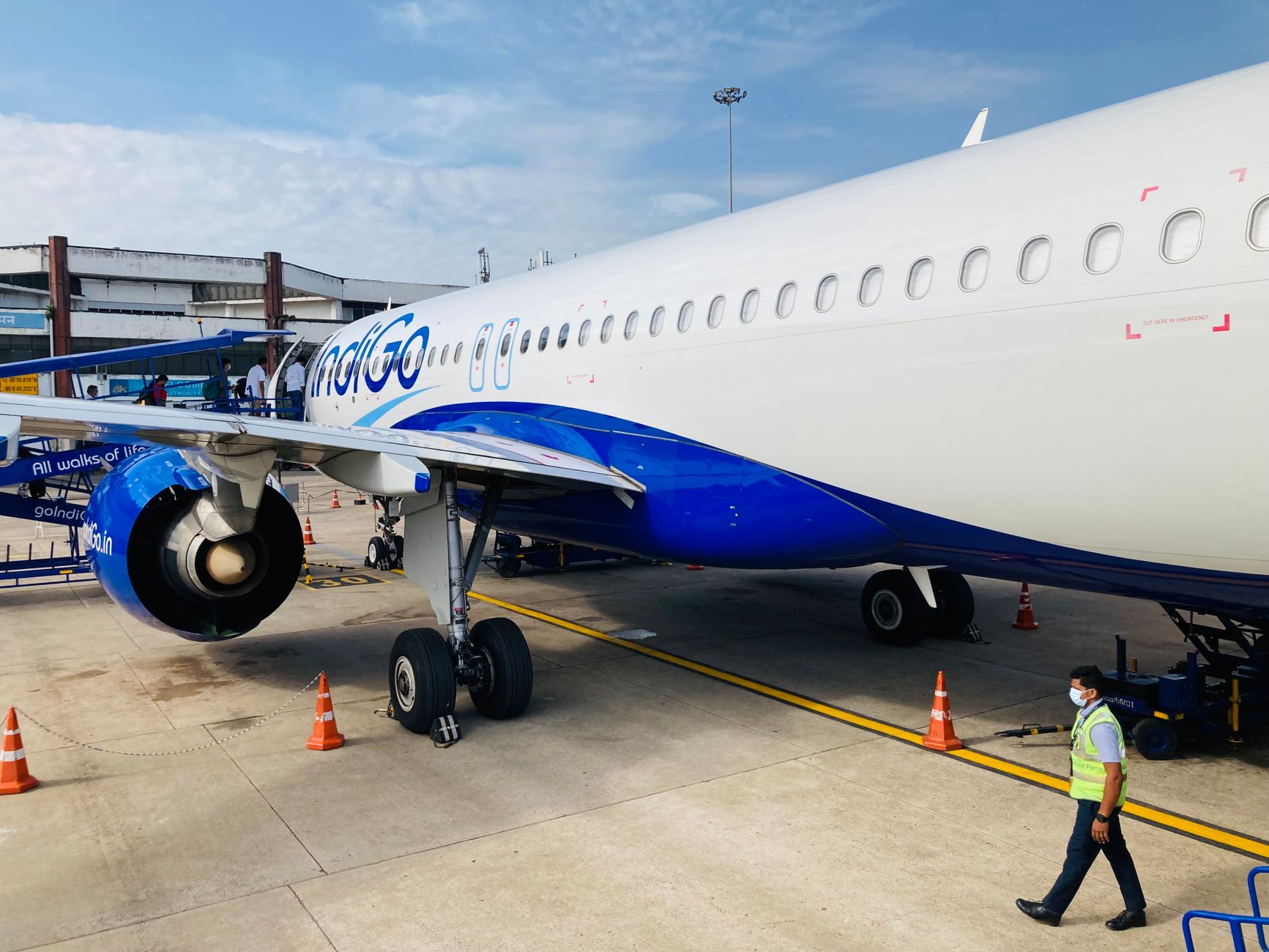
The launch of operations at Guwahati Airport's new Terminal 2 represents a transformative moment for Northeast India's aviation landscape. As IndiGo, India's largest airline by market share, begins utilizing this state-of-the-art facility, the region stands poised to unlock unprecedented tourism potential and economic opportunities.
A Strategic Hub for Northeast Connectivity
Guwahati's Lokpriya Gopinath Bordoloi International Airport has long served as the primary gateway to India's northeastern states. The addition of Terminal 2 addresses years of capacity constraints that often left passengers navigating congested facilities during peak travel seasons. This infrastructure upgrade arrives at a crucial juncture when domestic tourism is experiencing robust growth and Northeast India is emerging as a sought-after destination for both domestic and international travelers.
The new terminal significantly expands the airport's capacity to handle passenger traffic, with modern amenities designed to accommodate the region's growing aviation demands. For IndiGo, which operates an extensive domestic network, this development enables more efficient operations and the potential to introduce additional routes connecting Northeast India with major metropolitan centers across the country.
Tourism Growth in Northeast India
Northeast India encompasses eight states—Assam, Arunachal Pradesh, Manipur, Meghalaya, Mizoram, Nagaland, Sikkim, and Tripura—each offering distinct cultural experiences, breathtaking landscapes, and rich biodiversity. From the tea gardens of Assam to the living root bridges of Meghalaya, the region has gradually shed its image as a remote destination to become an adventure tourism hotspot.
Improved air connectivity through Guwahati directly addresses one of the primary barriers to Northeast tourism: accessibility. Previously, travelers often faced limited flight options, circuitous routes, and high airfares that made exploring the region logistically challenging and expensive. Enhanced operations at Terminal 2 promise to introduce greater frequency, competitive pricing, and improved scheduling that makes weekend getaways and extended tours more feasible.
Infrastructure Development and Economic Impact
The aviation infrastructure expansion extends beyond passenger convenience. Better connectivity stimulates economic activity across multiple sectors, including hospitality, transportation, handicrafts, and local services. Hotels and homestays in destinations like Kaziranga, Shillong, and Tawang can expect increased occupancy rates as travel becomes more streamlined.
For the business community, reliable air connectivity facilitates investment, trade, and professional exchanges. Industries ranging from tea and textiles to emerging technology sectors benefit when executives can travel efficiently between Northeast India and commercial hubs like Delhi, Mumbai, and Bangalore.
IndiGo's Role in Regional Aviation
As India's dominant carrier, IndiGo's strategic decisions significantly influence travel patterns nationwide. The airline's focus on punctuality, competitive pricing, and extensive network makes it particularly well-suited to develop underserved markets. By concentrating operations at Guwahati's Terminal 2, IndiGo signals its commitment to the Northeast market and its confidence in the region's growth trajectory.
The airline's operational efficiency at modern terminals typically translates to reduced turnaround times, enabling aircraft to complete more daily rotations and potentially introduce new destinations or increase frequencies on existing routes. This operational flexibility becomes especially valuable during peak seasons when demand surges.
Challenges and Opportunities Ahead
While the infrastructure development is promising, sustained tourism growth requires addressing complementary challenges. Ground transportation networks connecting Guwahati Airport to remote destinations need continuous improvement. Hotel infrastructure in smaller towns must scale to accommodate visitor influx. Environmental sustainability frameworks should guide tourism development to preserve the region's ecological treasures.
Weather patterns in Northeast India, characterized by heavy monsoon rainfall, occasionally disrupt flight schedules. Modern terminal facilities with better passenger amenities help mitigate inconveniences during such delays, but operational resilience remains an ongoing consideration.
Looking Forward
The commissioning of Terminal 2 and IndiGo's expanded operations represent more than infrastructure milestones—they symbolize Northeast India's integration into the national aviation mainstream. As air travel becomes more accessible and affordable, the region's unique cultural heritage and natural beauty will reach broader audiences.
For travelers, this development opens doors to exploring one of India's most enchanting yet underappreciated regions. For local communities, it promises economic opportunities and cultural exchange. The true measure of success will emerge in the coming years as passenger numbers, tourism revenue, and regional development indicators reflect the transformative potential of improved air connectivity.