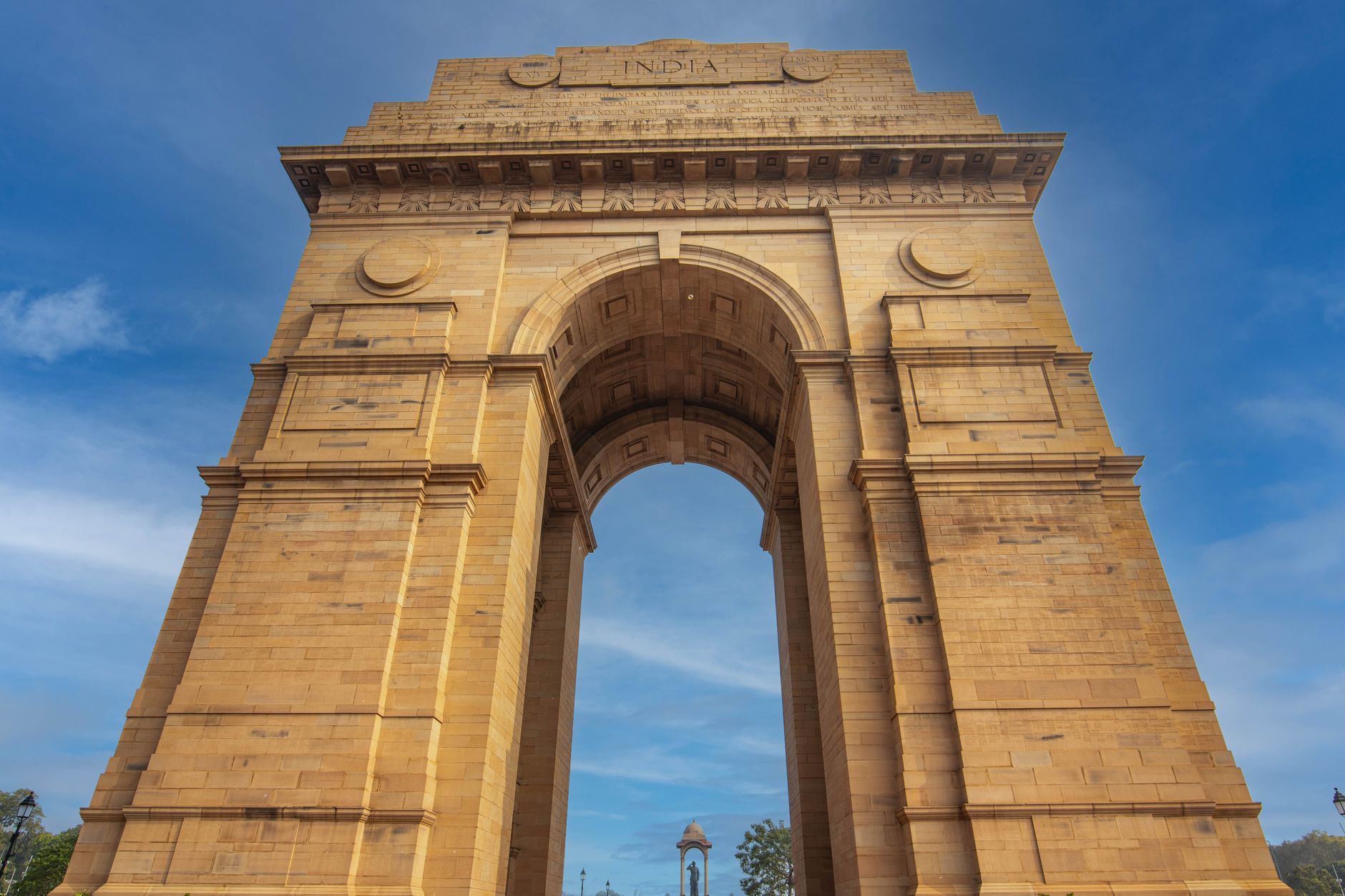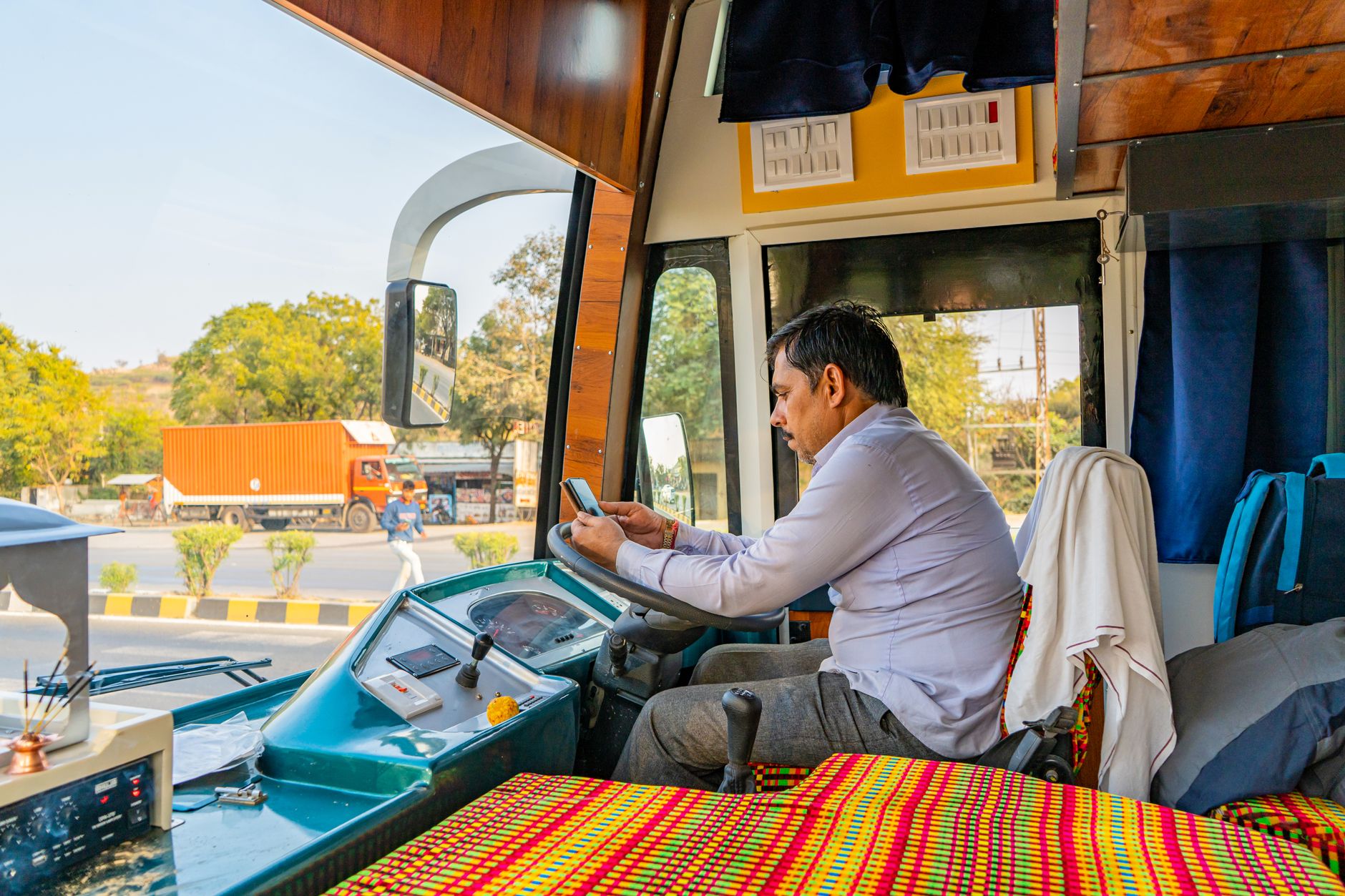
India's travel and tourism sector has emerged as one of the fastest-growing industries in the country, contributing significantly to GDP and employment. With a diverse landscape ranging from Himalayan peaks to tropical beaches, and from historical monuments to modern urban centers, India offers unparalleled variety for travelers.
Market Size and Economic Impact
The Indian travel and tourism industry has rebounded strongly following pandemic-related disruptions. The sector now contributes approximately 7-8% to the country's GDP and supports millions of jobs across hospitality, transportation, and allied services. Experts project continued double-digit growth as both domestic and international travel gain momentum.
Domestic tourism has become the primary growth engine, with Indian travelers increasingly exploring their own country. Rising middle-class incomes, better connectivity, and growing aspirations for experiential travel have fueled this expansion. Budget airlines, improved rail networks, and expanded highway infrastructure have made previously remote destinations more accessible.
Key Growth Drivers
Several factors are propelling the sector's growth trajectory:
- Increased disposable incomes among urban and semi-urban populations
- Government initiatives like "Dekho Apna Desh" promoting domestic tourism
- Digital transformation enabling easier booking and trip planning
- Growth of experiential and wellness tourism segments
- Visa reforms making it easier for foreign tourists to visit India
- Infrastructure development in tier-2 and tier-3 cities
Emerging Travel Patterns
Indian travelers are showing distinct preferences that differ from previous generations. Younger travelers, particularly millennials and Gen Z, prioritize experiences over traditional sightseeing. Adventure tourism, wellness retreats, and cultural immersion experiences are gaining popularity.
Weekend getaways and short breaks have become more common as work-life balance considerations evolve. The rise of remote work has also created a new category of digital nomads who combine travel with professional responsibilities, staying in destinations for extended periods.
Regional Diversity in Tourism
Different regions of India attract different types of travelers. Rajasthan and Agra remain popular for heritage tourism, while Goa and Kerala draw beach and backwater enthusiasts. The northeastern states are emerging as destinations for adventure and eco-tourism. Himachal Pradesh and Uttarakhand attract trekkers and spiritual seekers, while metropolitan areas like Mumbai, Delhi, and Bangalore serve as business travel hubs.
Religious tourism continues to be a massive segment, with millions visiting temples, mosques, gurudwaras, and churches annually. Pilgrimages to Varanasi, Tirupati, Amritsar, and Ajmer generate substantial economic activity in surrounding regions.
Infrastructure Development
Transportation infrastructure improvements have been crucial to tourism growth. New airports in smaller cities have opened up regions previously dependent on road or rail access. Highway development under the Bharatmala project has reduced travel times between major tourist circuits. Hotel chains are expanding beyond metros, bringing standardized accommodation to emerging destinations.
Digital infrastructure has also transformed the sector. Mobile internet penetration allows travelers to access information, book services, and share experiences in real-time. Online travel agencies and aggregator platforms have simplified the booking process, while user-generated content on social media influences destination choices.
International Tourism Potential
While domestic tourism dominates by volume, international arrivals represent a significant revenue opportunity. India attracts visitors interested in history, spirituality, wildlife, and medical tourism. However, the country captures a relatively small share of global tourist arrivals compared to its potential.
Challenges include visa processing times, infrastructure gaps in some tourist areas, and inconsistent service standards. Addressing these issues could substantially boost foreign exchange earnings from tourism.
Challenges and Opportunities
The sector faces several challenges that need addressing for sustained growth:
- Seasonal concentration of tourism creating overcrowding during peak periods
- Environmental concerns at popular destinations
- Need for skilled workforce in hospitality and tourism services
- Infrastructure bottlenecks in emerging destinations
- Ensuring safety and security for travelers, particularly solo women travelers
However, these challenges also present opportunities. Promoting off-season travel, developing sustainable tourism practices, and investing in skill development can create a more balanced and resilient sector.
The tourism industry's forward outlook remains positive, supported by favorable demographics, rising incomes, and government focus on infrastructure development. As travel becomes more integral to Indian lifestyles, the sector is poised for sustained expansion in the coming decades.