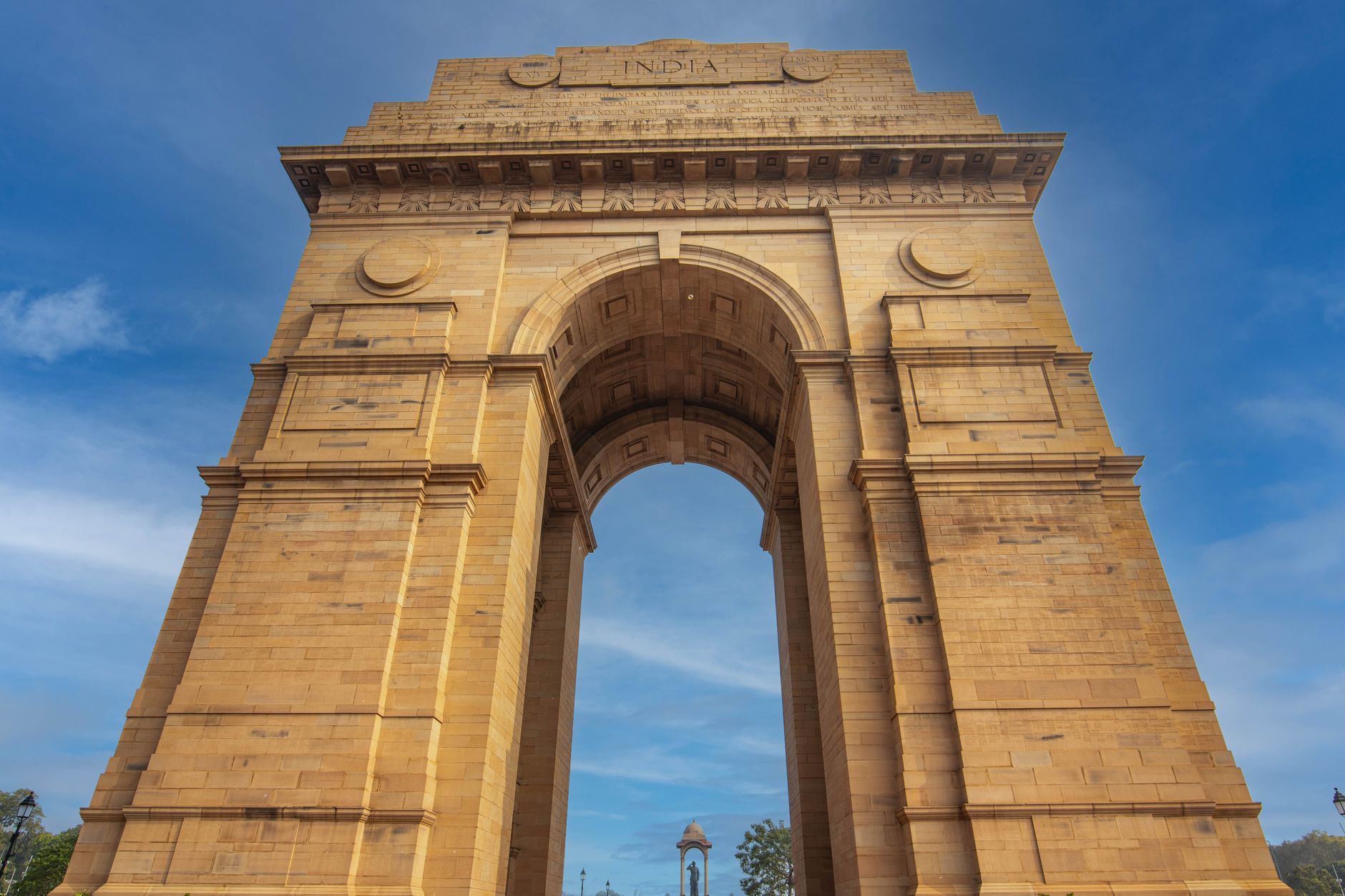
India's tourism industry has achieved a significant milestone, with the sector's economic contribution reaching $263.6 billion, according to recent data from the World Travel & Tourism Council (WTTC). This remarkable growth trajectory positions India as a strong contender to enter the global top four tourism economies in the coming years, reflecting the country's increasing appeal as a premier travel destination.
Understanding the Economic Impact
The tourism sector's contribution to India's economy extends far beyond direct spending by travelers. This $263.6 billion figure encompasses various components including accommodation, transportation, entertainment, food and beverage services, and related infrastructure development. The multiplier effect of tourism spending ripples through multiple sectors, supporting millions of jobs across the country from metropolitan cities to remote villages.
India's diverse offerings make it uniquely positioned in the global tourism market. From the snow-capped Himalayas in the north to tropical beaches in the south, from ancient heritage sites to modern urban experiences, the country provides experiences that cater to virtually every type of traveler. This diversity has been instrumental in attracting both international visitors and domestic tourists.
Employment and Job Creation
Tourism ranks among India's largest employment generators, providing livelihoods to millions of people. The sector encompasses direct employment in hotels, airlines, travel agencies, and tour operations, as well as indirect employment in handicrafts, agriculture, transportation, and construction. As the sector grows, it creates opportunities particularly for youth and women, often in regions where alternative employment options may be limited.
The hospitality industry alone employs a substantial workforce, from front-line staff to management positions. Additionally, the growth of homestays, eco-tourism ventures, and experiential travel has created entrepreneurial opportunities for local communities, enabling them to showcase their culture while generating income.
Government Initiatives Driving Growth
The Indian government has implemented several strategic initiatives to boost tourism. The e-Visa facility has simplified entry procedures for international travelers from numerous countries, making India more accessible. Infrastructure development projects focus on improving connectivity to tourist destinations, upgrading airports, and developing tourism circuits that link multiple attractions.
Promotional campaigns have successfully positioned India on the global tourism map. Digital marketing efforts highlight the country's spiritual heritage, adventure tourism opportunities, wellness retreats, and culinary diversity. State governments have also launched targeted campaigns to promote regional attractions and lesser-known destinations.
Challenges and Opportunities
Despite impressive growth, the sector faces several challenges that need addressing to achieve top-four status globally. Infrastructure gaps in some popular destinations can strain the visitor experience during peak seasons. Improving cleanliness standards, particularly at heritage sites and public facilities, remains a priority. Additionally, ensuring tourist safety and providing quality training to hospitality professionals are ongoing requirements.
However, these challenges present opportunities for investment and innovation. Sustainable tourism practices are gaining traction, with eco-friendly resorts and responsible travel initiatives attracting environmentally conscious travelers. The integration of technology in booking systems, virtual tours, and contactless services enhances the overall tourist experience.
The Path to Global Top Four
Currently, the United States, Spain, France, and China dominate global tourism rankings by various metrics. For India to break into this elite group, sustained growth rates and strategic positioning are essential. The country's vast potential remains largely untapped, with many destinations still relatively unknown to international audiences.
Medical tourism and wellness tourism represent high-growth niches where India has established expertise. The country's reputation for affordable, quality healthcare attracts visitors seeking medical procedures combined with recuperative holidays. Similarly, yoga and ayurveda draw wellness seekers from around the world.
Domestic Tourism's Role
Indian domestic tourism accounts for a substantial portion of the sector's revenue. The growing middle class with increased disposable income and aspiration to travel drives this segment. Improved connectivity through railways, roads, and budget airlines has made travel more accessible to Indian families. Weekend getaways, pilgrimage tourism, and exploration of regional cultures continue to fuel domestic travel growth.
Looking Ahead
The target of entering the global top four requires collaborative efforts from government bodies, private sector stakeholders, and local communities. Continued investment in infrastructure, skill development, and sustainable practices will be crucial. As international travel continues recovering and expanding post-pandemic, India's unique combination of heritage, nature, culture, and hospitality positions it favorably to achieve this ambitious goal within the foreseeable future.