India has long been a destination of fascination for travellers worldwide, offering an intoxicating mix of ancient heritage, diverse landscapes, spiritual experiences, and vibrant culture. Recent years have shown remarkable growth in tourist arrivals and revenue, yet industry analysts argue that the country has barely scratched the surface of its tourism potential. With strategic reforms and infrastructure development, India could emerge as one of the world's most dominant tourism economies.
Current State of Indian Tourism
India's tourism sector has rebounded strongly following the pandemic-induced slump. The country welcomed over 9 million foreign tourists in 2023, a significant recovery from previous years. Domestic tourism remains robust, with hundreds of millions of Indians exploring their own country annually. Tourism contributes approximately 6-7 percent to India's GDP and provides employment to millions across hospitality, transport, handicrafts, and allied sectors.
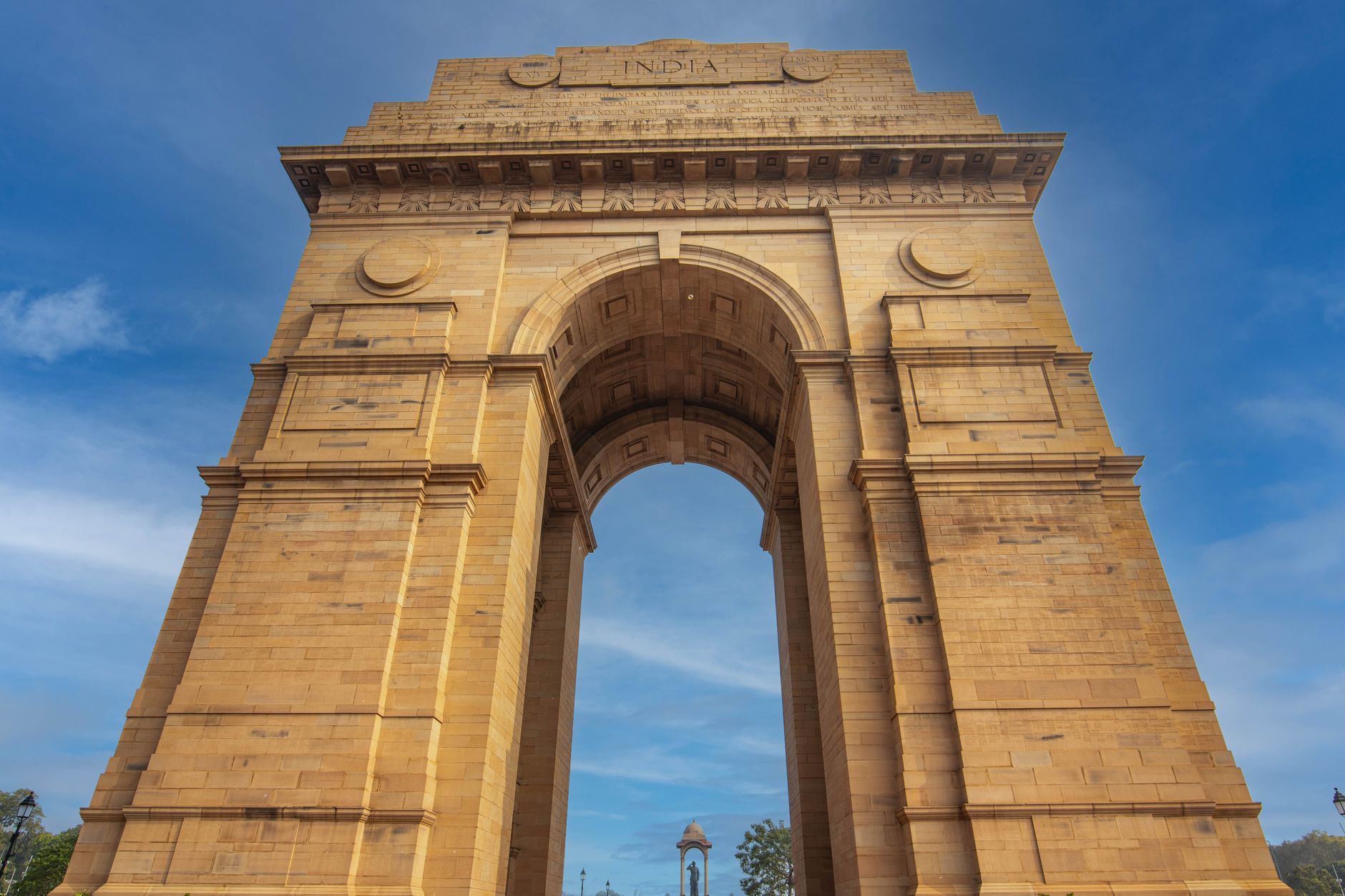
Popular destinations like the Golden Triangle (Delhi, Agra, Jaipur), Kerala's backwaters, Goa's beaches, and the Himalayan regions continue to attract steady visitor flows. Spiritual tourism to Varanasi, Rishikesh, and temple towns remains a major draw, while adventure tourism in Ladakh, Uttarakhand, and the Northeast is gaining momentum.
The Untapped Potential
Despite these achievements, India ranks surprisingly low in global tourism metrics compared to countries with similar or lesser attractions. Nations like Thailand, which received over 40 million international visitors in 2023, or even smaller countries like Malaysia and Singapore, significantly outperform India in tourist arrivals.
Several factors contribute to this gap. Visa processes, while improving, remain more cumbersome than many competing destinations. Infrastructure bottlenecks at airports, inconsistent tourist facilities outside major circuits, and connectivity challenges to off-beat destinations deter extended stays and repeat visits.
Breaking Down International Travel Barriers
The path to becoming a global tourism powerhouse requires systematic removal of obstacles that currently limit international visitor growth.
Visa reforms represent the most immediate opportunity. While India has expanded its e-visa programme to over 160 countries, further simplification could unlock substantial growth. Countries like Thailand and Indonesia offer visa-on-arrival or visa-free entry to numerous nationalities, making spontaneous travel decisions easier. Progressive liberalisation, particularly for major source markets, could dramatically increase arrival numbers.
Infrastructure Development Priorities
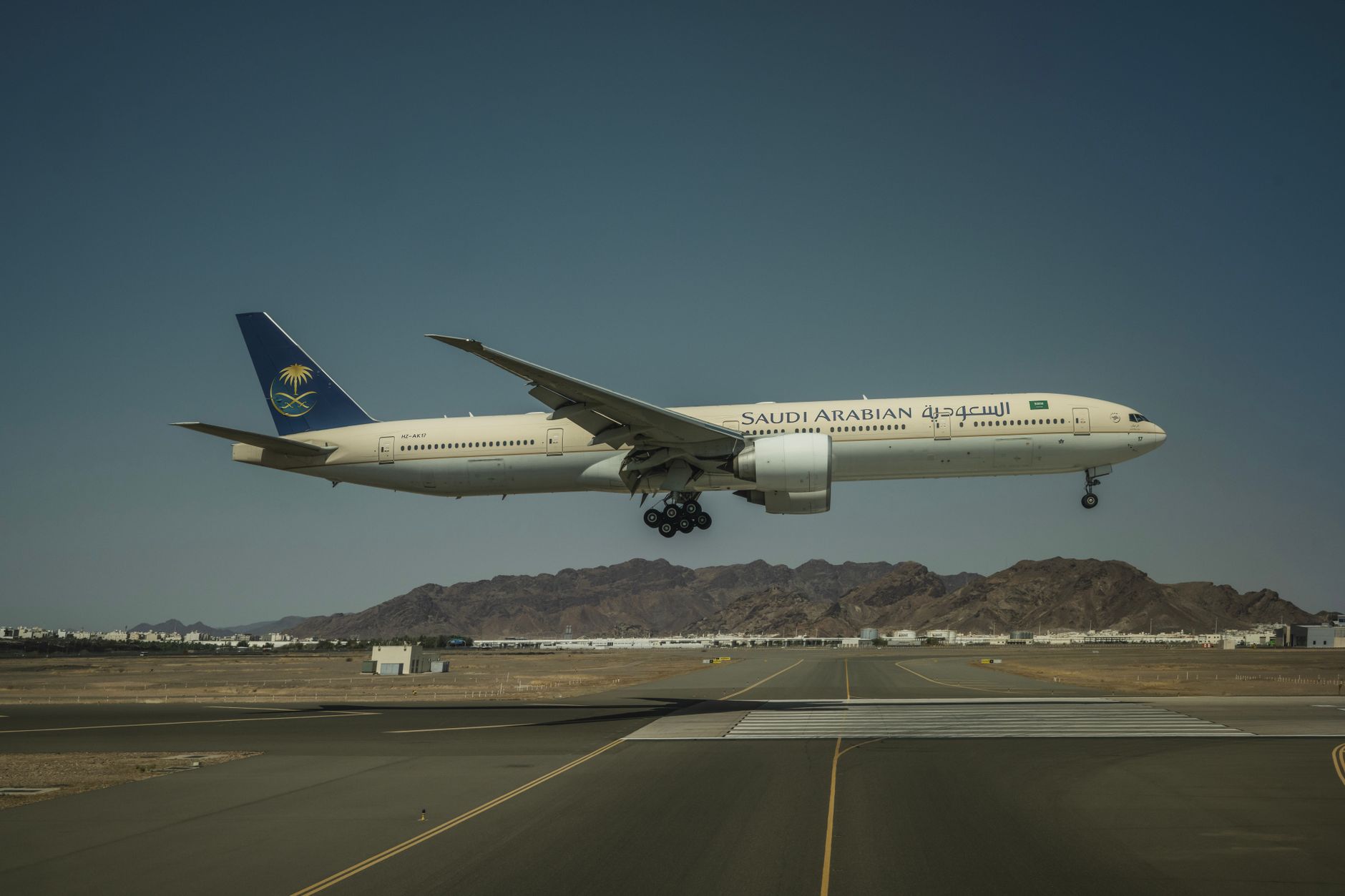
Airport capacity and connectivity require urgent attention. While major metros have world-class airports, many tourist destinations lack adequate air connectivity or modern airport facilities. Developing regional airports and increasing international flights to secondary cities would distribute tourist flows more evenly and reduce pressure on overcrowded hotspots.
Last-mile connectivity remains problematic. Roads to many heritage sites, hill stations, and natural attractions need upgrading. Railway infrastructure, despite recent improvements, requires further modernisation to match international standards of comfort and speed.
Accommodation standards outside luxury segments need elevation. While India boasts world-class hotels in major cities, mid-range and budget accommodations often fall short of international expectations regarding cleanliness, amenities, and service quality.
Sustainable Tourism Development
India's tourism expansion must prioritise sustainability to protect its ecological and cultural treasures. Over-tourism has already damaged destinations like Manali, Shimla, and parts of Goa. Developing new circuits and promoting lesser-known destinations can alleviate pressure on popular sites while spreading economic benefits.
Community-based tourism models, where local populations directly benefit from and participate in tourism activities, ensure cultural authenticity and economic inclusion. States like Kerala and Himachal Pradesh have successfully implemented such models.
Marketing and Positioning
India's tourism marketing has traditionally focused on heritage and spirituality. While these remain core strengths, diversifying the narrative to include adventure, wellness, culinary experiences, wildlife, and coastal tourism can attract different traveller segments.
Digital marketing efforts must intensify, targeting specific demographics and interests across global markets. Influencer partnerships, virtual reality experiences, and compelling storytelling can showcase India's diversity to potential visitors.
Economic Impact Potential
Successfully unlocking international tourism could transform India's economic landscape. Tourism is labour-intensive, creating employment opportunities across skill levels. It supports small businesses, artisans, and rural economies in ways few other sectors can.
Foreign exchange earnings from tourism could significantly boost India's balance of payments. Countries like Spain and Thailand demonstrate how tourism can become a major pillar of national economy, contributing 12-15 percent or more to GDP.
The multiplier effect of tourism spending ripples through transportation, food services, entertainment, retail, and manufacturing sectors. Every tourist dollar spent generates economic activity far beyond the immediate transaction.
The Road Ahead
India's tourism success story is indeed just beginning. With projected growth in global travel, rising middle classes in Asia and Africa seeking new destinations, and India's inherent attractions, the timing is optimal for transformation.
Government initiatives like PRASAD (Pilgrimage Rejuvenation and Spiritual Augmentation Drive) and Swadesh Darshan schemes show commitment to tourism development. Public-private partnerships can accelerate infrastructure creation and service quality improvements.
The vision of becoming a global tourism powerhouse is achievable, but requires coordinated action across visa policy, infrastructure development, sustainability planning, and marketing. The prize—economic prosperity, employment generation, and cultural exchange—makes this effort worthwhile for Asia's third-largest economy.