India faces a critical paradox in child health: while the nation has made significant economic strides, millions of children continue to suffer from malnutrition, micronutrient deficiencies, and diet-related health problems. A newly launched policy roadmap by global health experts aims to tackle these persistent challenges through comprehensive reforms spanning agriculture, healthcare, and education sectors.
The Scale of India's Child Nutrition Challenge
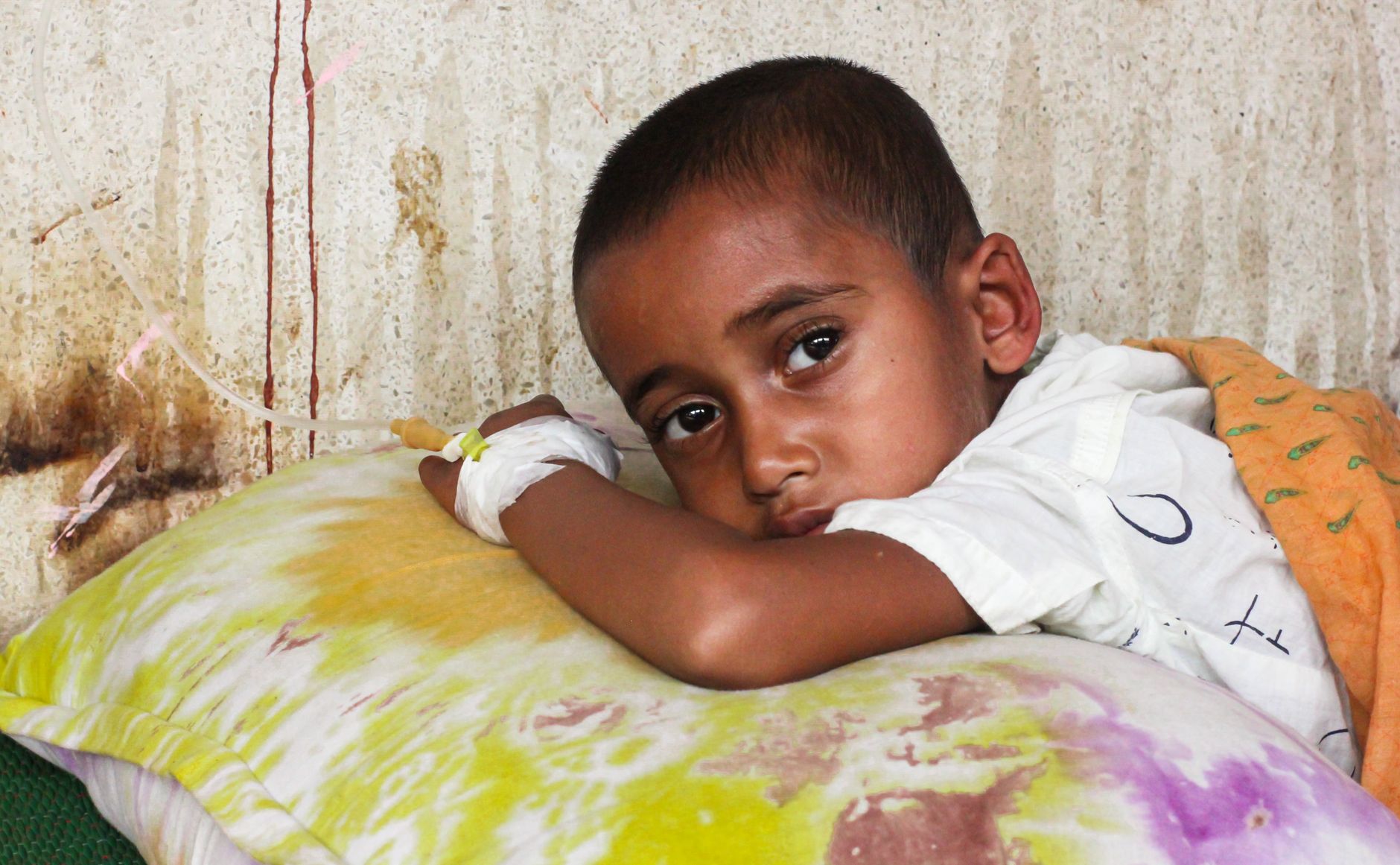
India is home to one-third of the world's stunted children, with approximately 35 percent of children under five experiencing stunted growth due to chronic malnutrition. Simultaneously, the country faces a rising burden of childhood obesity and diet-related non-communicable diseases, creating a double burden of malnutrition that strains families and healthcare systems.
Micronutrient deficiencies remain widespread, with anaemia affecting nearly 60 percent of children under five years. Vitamin A, iron, zinc, and iodine deficiencies continue to compromise immune function, cognitive development, and overall health outcomes. These nutritional gaps often stem from limited dietary diversity, with many children consuming predominantly cereal-based diets lacking in fruits, vegetables, animal-source foods, and pulses.
Key Components of the Policy Roadmap
The expert-designed framework emphasizes multi-sectoral coordination, recognizing that child nutrition cannot be addressed through healthcare interventions alone.
- Strengthening food systems to ensure year-round availability of diverse, nutrient-rich foods at affordable prices
- Expanding fortification programs for staple foods consumed by children and pregnant women
- Improving agricultural practices to promote production of nutrient-dense crops and kitchen gardens
- Enhancing early childhood development programs that integrate nutrition counselling with healthcare
- Implementing stricter regulations on marketing of unhealthy foods to children
- Strengthening school meal programs to provide balanced nutrition and nutrition education
- Improving water, sanitation, and hygiene infrastructure to reduce infection-related malnutrition
- Expanding targeted supplementation programs for vulnerable populations
The Importance of the First 1,000 Days
The roadmap places particular emphasis on nutrition during pregnancy and the first two years of life, a critical window that shapes lifelong health outcomes. Adequate maternal nutrition, exclusive breastfeeding for six months, and appropriate complementary feeding practices form the foundation for healthy growth and development.
Current data reveals significant gaps in these areas. While breastfeeding initiation rates in India are relatively high, exclusive breastfeeding rates drop substantially, with many infants receiving water, other liquids, or foods prematurely. Complementary feeding practices often lack diversity, with insufficient consumption of iron-rich foods, fruits, and vegetables.
Addressing Socioeconomic and Cultural Barriers
The policy framework acknowledges that nutrition interventions must consider India's diverse cultural contexts, regional dietary practices, and socioeconomic disparities. Women's education, empowerment, and decision-making power within households significantly influence child nutrition outcomes. Gender discrimination, early marriage, and inadequate maternal nutrition perpetuate cycles of malnutrition across generations.
The roadmap advocates for community-based programs that engage mothers, grandmothers, and community leaders in nutrition education while respecting traditional food practices. Rather than imposing uniform solutions, the approach encourages adaptation of guidelines to local contexts, ingredients, and cooking methods.
Implementation Challenges and Opportunities
Successfully implementing this ambitious roadmap requires sustained political commitment, adequate funding, and coordination across government departments, NGOs, and private sector stakeholders. Previous nutrition programs in India have sometimes struggled with implementation gaps, inadequate monitoring, and insufficient community engagement.
However, India's existing infrastructure of Anganwadi workers, community health workers, and self-help groups provides valuable platforms for delivering nutrition interventions. Digital technologies, including mobile health applications and data management systems, offer opportunities to improve monitoring, accountability, and personalized support.
The policy framework also emphasizes the need for robust data collection and research to track progress, identify emerging challenges, and refine interventions based on evidence. Regular nutritional surveys, growth monitoring, and outcome evaluations can help ensure programs remain effective and responsive to changing needs.
Moving Forward
Improving child nutrition in India requires sustained, coordinated efforts across multiple sectors. While policy frameworks provide important guidance, their success ultimately depends on effective implementation, adequate resources, and genuine commitment to prioritizing children's health. The roadmap offers a comprehensive approach that, if properly executed, could significantly improve health outcomes for millions of Indian children.
This article is for general information purposes only and should not replace professional medical or nutritional advice. Parents and caregivers should consult qualified healthcare providers and registered dietitians for personalized guidance regarding children's nutrition and health needs.