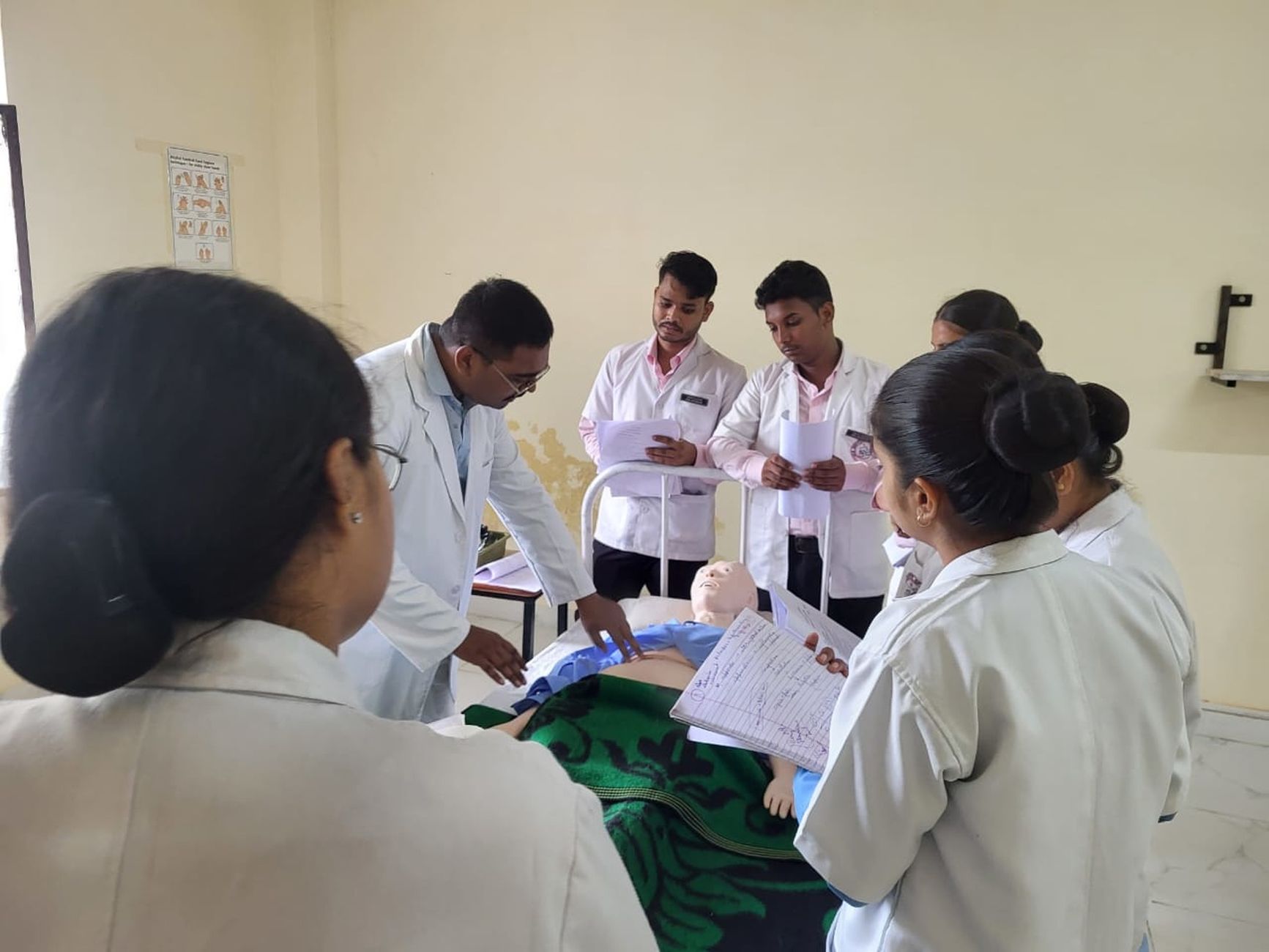
The Ministry of Health and Family Welfare recently disclosed comprehensive statistics highlighting India's growing medical education infrastructure. With 1,39,489 undergraduate MBBS seats, 86,360 postgraduate medical seats, and 844 functional medical colleges, the country is witnessing an unprecedented expansion aimed at addressing the long-standing shortage of healthcare professionals.
Understanding the Numbers
The figures represent a substantial increase compared to a decade ago. In 2014, India had approximately 51,000 MBBS seats and around 370 medical colleges. The current tally of 844 institutions reflects more than doubling of medical education capacity, demonstrating the government's commitment to strengthening healthcare workforce infrastructure.
The postgraduate seat count of 86,360 encompasses various specializations including MD (Doctor of Medicine), MS (Master of Surgery), and super-specialty DM and MCh courses. This expansion at the PG level is particularly crucial as it determines the availability of specialist doctors across different medical disciplines.
Distribution Across India
Medical colleges in India operate under three primary categories: government-run institutions, private medical colleges, and deemed universities. Government medical colleges typically charge significantly lower fees, making medical education more accessible to students from diverse economic backgrounds.
The geographic distribution of these colleges spans urban metros, tier-2 cities, and increasingly, rural and semi-urban areas. States like Uttar Pradesh, Maharashtra, Karnataka, Tamil Nadu, and Kerala house substantial numbers of medical institutions, while northeastern states and some central Indian regions continue to experience shortages.
The Doctor-Population Ratio Challenge
Despite these impressive numbers, India still faces a considerable doctor-to-population gap. The World Health Organization recommends a ratio of 1:1000, meaning one doctor for every thousand people. India's current ratio hovers around 1:1400, indicating a shortage of approximately 600,000 doctors nationwide.
The increased seat capacity aims to bridge this gap progressively. Each year, nearly 1.4 lakh new MBBS graduates enter the medical workforce, though not all pursue clinical practice. Many opt for postgraduate studies, research, administrative roles, or alternative career paths within healthcare.
Quality Concerns and Regulatory Oversight
The National Medical Commission (NMC), which replaced the Medical Council of India in 2020, oversees quality standards and accreditation of medical colleges. The rapid expansion has raised concerns about maintaining educational standards, adequate faculty availability, and clinical training infrastructure.
Several medical colleges have faced recognition issues or had their admissions suspended due to non-compliance with infrastructure norms, faculty shortages, or inadequate patient load for clinical training. The NMC conducts regular inspections to ensure institutions meet prescribed standards before granting permissions for student admissions.
Admission Process and Competition
Entry into MBBS programs occurs through the National Eligibility cum Entrance Test (NEET-UG), one of India's most competitive examinations. With approximately 18-20 lakh aspirants competing annually for 1.4 lakh seats, the selection ratio stands at roughly 1:13, making medical education highly competitive.
For postgraduate courses, NEET-PG serves as the gateway, with similar competitive intensity. The availability of 86,360 PG seats against several lakh MBBS graduates creates another competitive bottleneck, pushing many doctors toward alternative career paths or practice without specialization.
Future Expansion Plans
The government has announced intentions to establish at least one medical college in every district, particularly focusing on underserved regions. Several new medical colleges are being established by converting existing district hospitals and through public-private partnerships.
Additionally, initiatives to increase PG seats aim to create a better pathway for MBBS graduates to specialize, thereby improving the availability of specialist doctors in various disciplines including pediatrics, obstetrics, orthopedics, and emergency medicine.
Impact on Healthcare Accessibility
The expansion of medical education infrastructure directly correlates with improved healthcare accessibility. More medical colleges mean greater distribution of healthcare facilities, as teaching hospitals attached to medical colleges serve surrounding populations. This particularly benefits rural and semi-urban areas previously lacking tertiary healthcare facilities.
Furthermore, increased doctor production gradually addresses shortages in primary health centers, community health centers, and district hospitals, strengthening the public healthcare delivery system at grassroots levels.
The substantial growth in medical education capacity represents a positive trajectory toward achieving universal healthcare goals. However, sustained focus on quality, equitable distribution, and retention of medical professionals in underserved areas remains essential for translating these numbers into tangible healthcare improvements for India's vast population.