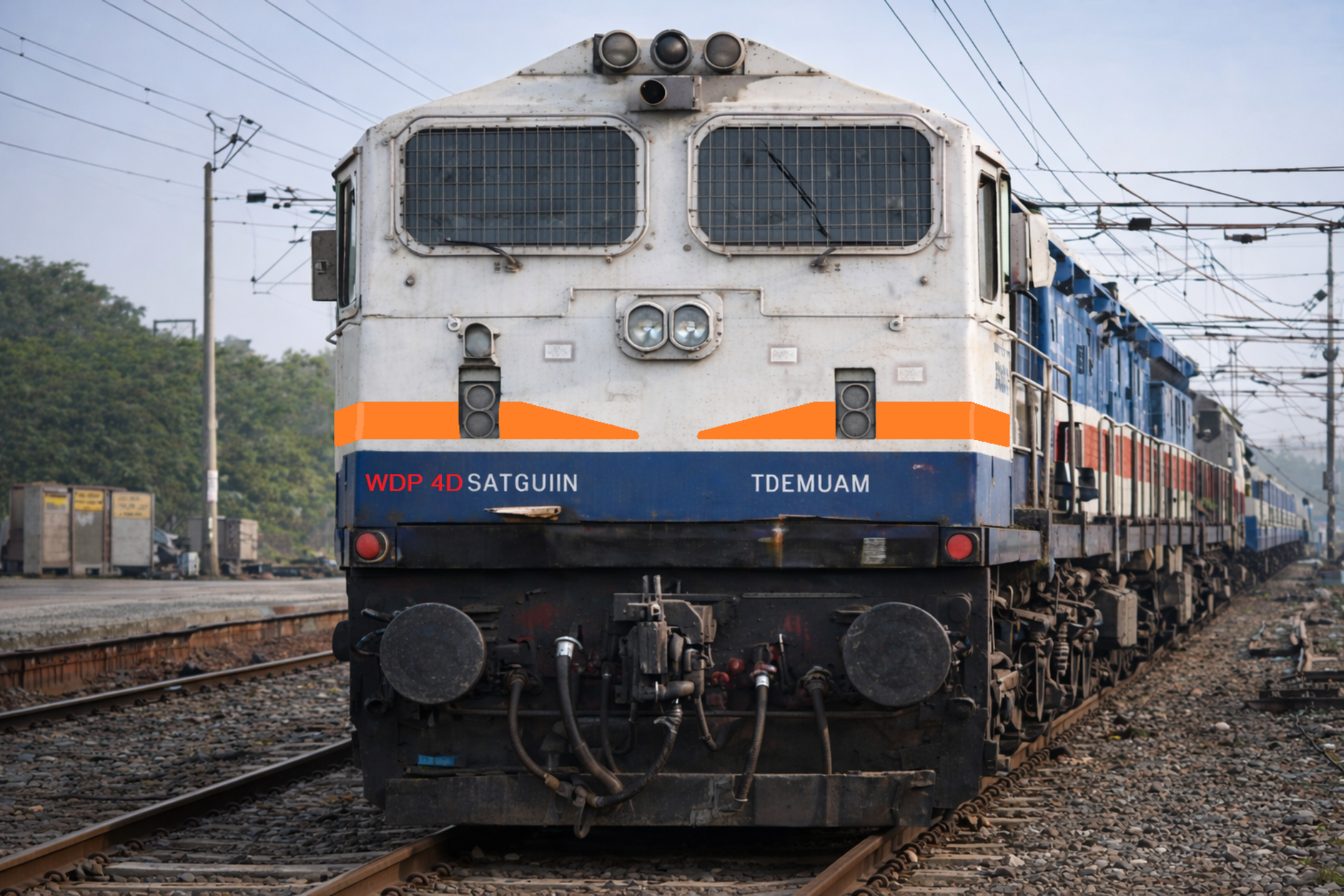
India has taken a major leap in sustainable transportation with the adoption of indigenous hydrogen fuel cell technology for its expansive railway network. The Ministry of Railways' initiative represents both an environmental commitment and a strategic push toward technological self-reliance in clean energy solutions.
Understanding Hydrogen Fuel Cell Technology
Hydrogen fuel cells generate electricity through a chemical reaction between hydrogen and oxygen, with water vapor being the only emission. Unlike battery-electric systems that store energy, fuel cells produce electricity on demand as long as hydrogen fuel is supplied. This makes them particularly suitable for heavy-duty applications like trains, which require substantial power over long distances.
The technology works by channeling hydrogen gas through an anode where it splits into protons and electrons. The electrons create an electrical current that powers the train's motors, while the protons move through an electrolyte membrane to combine with oxygen at the cathode, producing water as a byproduct.
Why Railways Are Embracing Hydrogen
Indian Railways operates one of the world's largest rail networks, carrying over 8 billion passengers annually and serving as the backbone of freight transportation. The sector's carbon footprint is substantial, making it a critical target for decarbonization efforts.
Several factors make hydrogen fuel cells attractive for rail applications:
- Zero direct emissions, eliminating air pollution in stations and along routes
- Quieter operation compared to diesel engines, reducing noise pollution
- Faster refueling times compared to battery charging, minimizing downtime
- Greater range capability than battery-electric trains on non-electrified routes
- Independence from overhead electric infrastructure on certain routes
Currently, nearly 40 percent of India's rail routes remain non-electrified, predominantly served by diesel locomotives. Hydrogen trains offer a clean alternative without requiring expensive electrification infrastructure.
The Indigenous Technology Advantage
Developing hydrogen fuel cell technology domestically carries multiple strategic benefits for India. Indigenous development reduces dependence on foreign suppliers, keeps intellectual property and manufacturing expertise within the country, and creates opportunities for domestic industries to supply components and systems.
The move aligns with India's broader Make in India initiative and supports the National Hydrogen Mission, which aims to establish India as a global hub for green hydrogen production and utilization. By developing homegrown solutions, India can customize technology to suit its specific operational requirements, climate conditions, and cost constraints.
Local manufacturing also generates employment opportunities across the value chain, from research and development to production and maintenance. As the technology matures, India could potentially export its expertise to other developing nations with similar railway modernization needs.
Implementation Challenges and Considerations
Despite the promising outlook, several challenges must be addressed for successful widespread deployment. Hydrogen production, storage, and distribution infrastructure needs significant investment. Currently, most hydrogen is produced from fossil fuels through processes that generate carbon emissions. Scaling up green hydrogen production from renewable energy sources remains crucial for the technology's environmental credentials.
Safety protocols require careful attention, as hydrogen is highly flammable and demands specialized handling procedures. Training railway personnel, establishing maintenance facilities, and developing safety standards will be essential components of the rollout.
Cost competitiveness poses another consideration. While operating costs may eventually prove favorable, initial capital expenditure for hydrogen trains and infrastructure exceeds that of conventional diesel locomotives. Government support and economies of scale will be important for making the technology commercially viable.
Global Context and Future Outlook
India joins a select group of countries pioneering hydrogen railway technology. Germany launched the world's first hydrogen passenger trains in 2018, while France, the United Kingdom, and several other European nations have active development programs. China has also unveiled hydrogen-powered trains for specific routes.
For India, successful deployment could transform not just railways but broader transportation and energy sectors. The expertise gained could accelerate hydrogen adoption in trucking, maritime transport, and industrial applications.
The Ministry of Railways' commitment to indigenous hydrogen technology signals confidence in India's scientific and engineering capabilities. As pilot projects demonstrate viability and scale-up occurs, hydrogen-powered trains could become a common sight on Indian tracks, contributing significantly to the nation's climate goals while showcasing technological innovation.
The transition won't happen overnight, but the foundation is being laid for a cleaner, quieter, and more sustainable railway network that serves India's growing mobility needs while protecting environmental health for future generations.