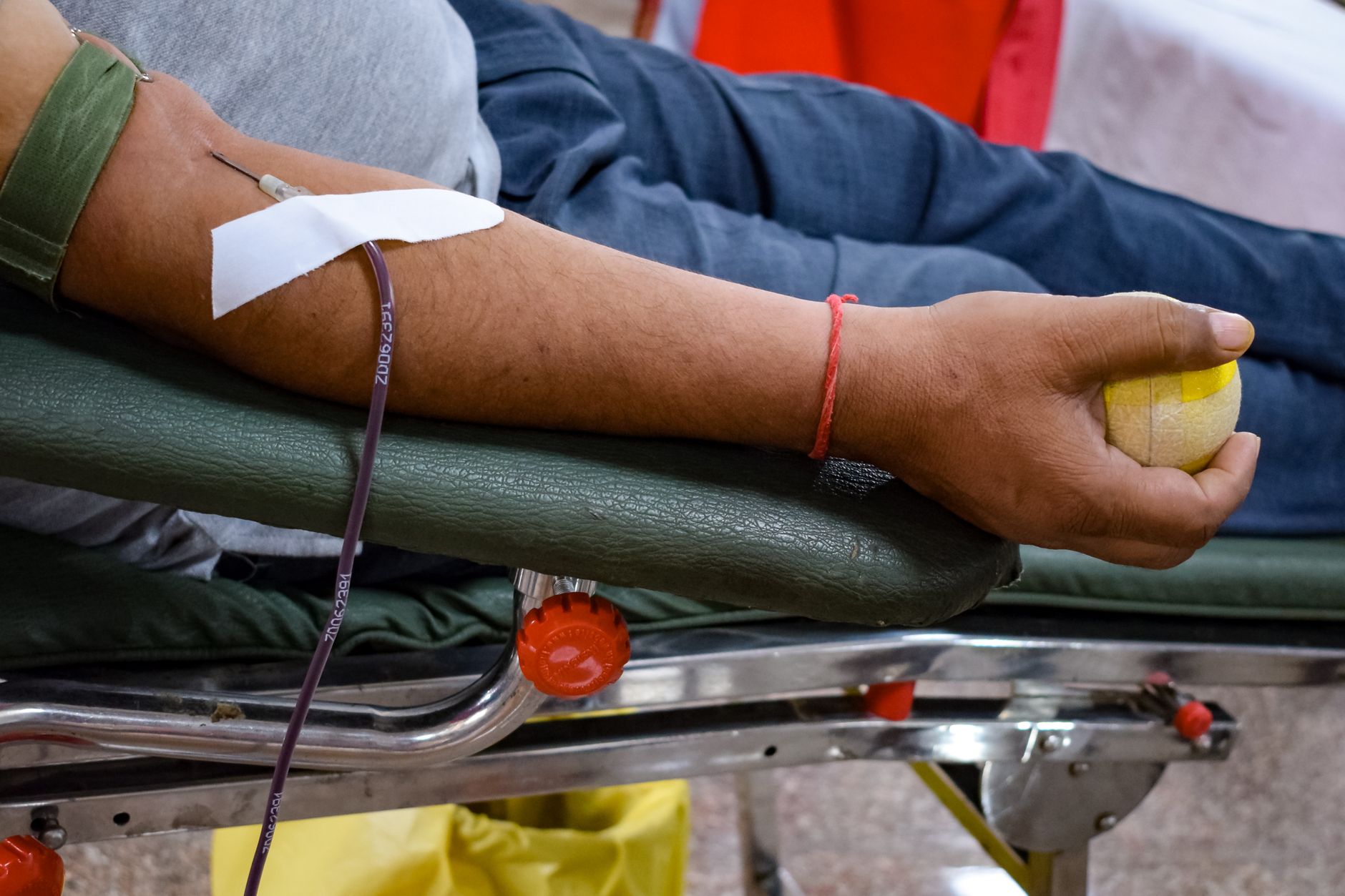
India faces a significant public health challenge with hepatitis, carrying one of the world's highest disease burdens. Health experts are increasingly concerned about the millions of undiagnosed cases across the country, urging both public awareness and systematic screening programs to address this silent epidemic.
Understanding Hepatitis and Its Types
Hepatitis refers to inflammation of the liver, typically caused by viral infections. The five main types—hepatitis A, B, C, D, and E—affect the liver differently, with varying transmission methods and severity levels.
Hepatitis B and C are particularly concerning because they can become chronic conditions, potentially leading to cirrhosis, liver cancer, and liver failure. Hepatitis A and E are usually acute infections transmitted through contaminated food and water, while hepatitis B and C spread through blood and bodily fluids.
India's Hepatitis Burden: The Numbers
India hosts a substantial portion of the global hepatitis patient population. Current estimates suggest:
- Over 40 million people living with chronic hepatitis B
- Approximately 6-12 million people with chronic hepatitis C
- Significant numbers of hepatitis E cases, particularly during monsoon seasons
- High mortality rates from hepatitis-related liver complications
The burden is unevenly distributed across regions, with certain states showing higher prevalence due to various socioeconomic and healthcare access factors.
Why Early Diagnosis Matters
The major challenge with hepatitis B and C is their asymptomatic nature during early stages. Many infected individuals remain unaware of their condition for years, during which the virus silently damages the liver.
Early diagnosis enables several critical interventions. Firstly, antiviral medications can effectively suppress hepatitis B, preventing disease progression even though complete cure remains difficult. Hepatitis C, conversely, can now be cured in over 95% of cases with direct-acting antiviral drugs, but only if detected and treated.
Secondly, early detection prevents transmission. Undiagnosed individuals unknowingly spread the virus through unsafe medical procedures, unscreened blood transfusions, unprotected sexual contact, or from mother to child during childbirth.
Thirdly, timely intervention prevents expensive complications. Advanced liver disease requires costly treatments, including liver transplants, which strain both families and the healthcare system.
Barriers to Diagnosis in India
Several factors contribute to India's low diagnosis rates:
- Limited awareness about hepatitis symptoms and transmission routes
- Stigma associated with blood-borne infections
- Inadequate screening programs in primary healthcare settings
- Cost barriers for diagnostic tests in rural and economically disadvantaged areas
- Shortage of trained healthcare workers in remote regions
Many people only discover their hepatitis status when they develop advanced liver disease symptoms like jaundice, abdominal swelling, or bleeding, by which point treatment options become limited.
The Path Forward: Expert Recommendations
Healthcare experts recommend a multi-pronged approach to tackle India's hepatitis burden.
Universal screening for high-risk groups should be implemented, including pregnant women, people with diabetes, those requiring frequent medical procedures, and individuals with family history of liver disease.
Vaccination programs need expansion. While India's Universal Immunization Programme includes hepatitis B vaccine for infants, adult catch-up vaccination and hepatitis A vaccination in high-risk areas require strengthening.
Public awareness campaigns must destigmatize hepatitis and educate people about transmission routes, prevention methods, and treatment availability. Many still harbor misconceptions about casual transmission through sharing food or social contact.
Healthcare infrastructure improvements are essential, particularly ensuring blood safety, sterile medical equipment, and safe injection practices in both formal and informal healthcare settings.
Government Initiatives and Treatment Accessibility
The government has launched the National Viral Hepatitis Control Program, aiming to eliminate hepatitis as a public health threat. This includes free diagnosis and treatment at government facilities for eligible patients.
Generic versions of hepatitis C drugs have made treatment more affordable in India compared to many Western countries. However, reaching the last mile—ensuring rural and marginalized populations access these services—remains challenging.
Taking Individual Action
Individuals can protect themselves and their families through several measures. Getting vaccinated against hepatitis A and B, practicing safe injection practices, ensuring proper sterilization during medical and dental procedures, and undergoing routine screening if in high-risk categories are all important steps.
If diagnosed with hepatitis, strict adherence to treatment protocols and regular monitoring can prevent disease progression and maintain quality of life.
India's hepatitis burden is substantial but not insurmountable. With increased awareness, systematic screening, accessible treatment, and continued government commitment, the country can significantly reduce hepatitis-related morbidity and mortality in coming years.
This article provides general health information and should not replace professional medical advice. Consult qualified healthcare providers for personalized diagnosis and treatment recommendations regarding hepatitis or any other health condition.