India's healthcare landscape is undergoing a significant transformation as the country embraces a dual approach combining community-based healthcare initiatives with digital technology. This strategic shift aims to bridge the long-standing gap between healthcare availability and accessibility, particularly for populations in remote and underserved areas.
The Community Healthcare Model
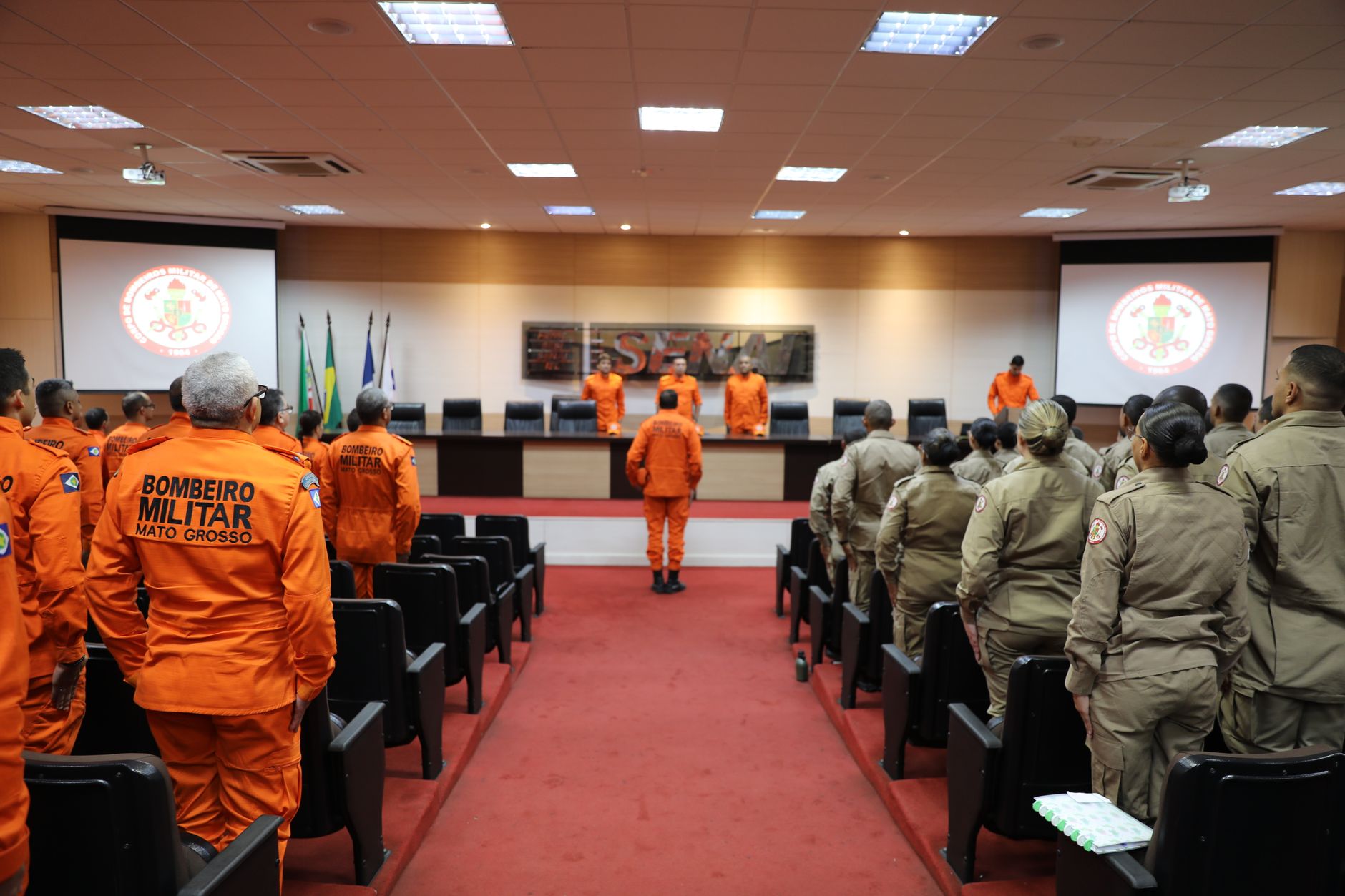
Community health services represent the grassroots level of India's healthcare infrastructure. These initiatives focus on bringing basic medical care, preventive services, and health education directly to local populations. Health and Wellness Centres, established under the Ayushman Bharat scheme, serve as the backbone of this approach, providing comprehensive primary healthcare services including maternal and child health, communicable and non-communicable disease management, and free essential medicines.
Community health workers, including ASHAs (Accredited Social Health Activists) and ANMs (Auxiliary Nurse Midwives), play a crucial role in this ecosystem. They act as the first point of contact between the community and the formal healthcare system, conducting door-to-door health surveys, providing basic medical advice, and facilitating referrals to higher healthcare facilities when needed.
Digital Healthcare Platforms
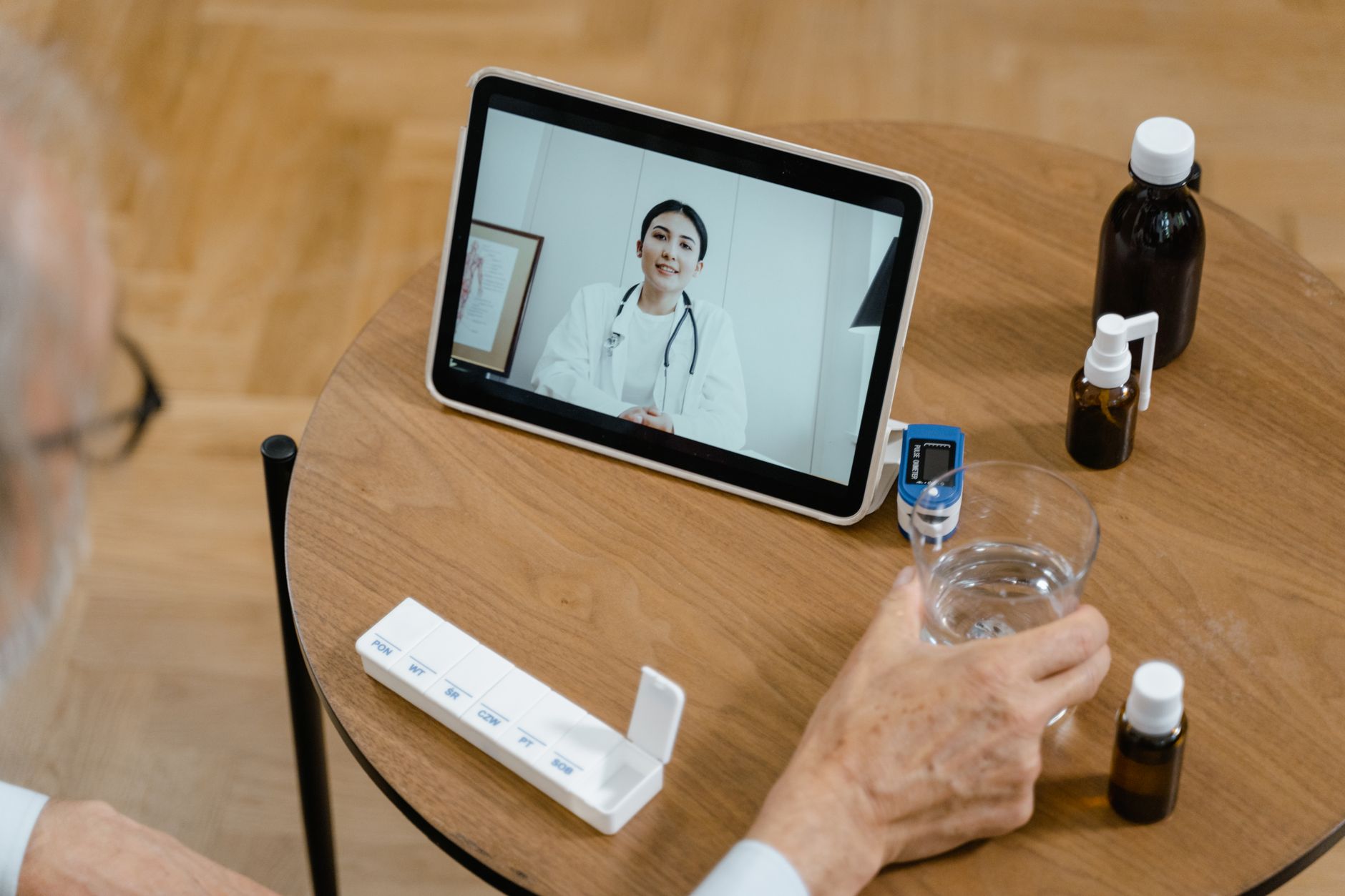
The digital revolution in Indian healthcare has gained momentum through several government and private sector initiatives. Telemedicine services have expanded dramatically, allowing patients to consult doctors remotely through video calls or chat platforms. This proves particularly valuable for rural residents who previously had to travel long distances for basic consultations.
The Ayushman Bharat Digital Mission (ABDM) represents a comprehensive digital health ecosystem that includes unique health IDs for citizens, digitization of health records, and a registry of healthcare providers and facilities. This infrastructure enables seamless information exchange between patients, doctors, hospitals, and insurers, reducing paperwork and improving care coordination.
E-pharmacies and online medicine delivery services have also flourished, making it easier for patients to access prescribed medications, especially those requiring regular refills for chronic conditions. These platforms often offer competitive pricing and home delivery, benefiting elderly patients and those with mobility constraints.
Addressing Geographic Disparities
India's vast geography and population distribution have historically created significant healthcare access challenges. Rural areas, home to approximately 65 percent of India's population, have faced acute shortages of healthcare professionals and facilities. The combination of community health centres and digital services helps address this imbalance.
Mobile health clinics equipped with basic diagnostic tools and staffed by healthcare workers now reach remote villages on scheduled routes. These units can perform basic tests, distribute medicines, and use telemedicine technology to connect patients with specialist doctors in urban centres when necessary.
Benefits and Impact
The integrated approach offers multiple advantages:
- Reduced travel time and costs for patients seeking basic healthcare
- Earlier detection of diseases through regular community screening programmes
- Improved maternal and child health outcomes through consistent monitoring
- Better management of chronic diseases like diabetes and hypertension
- Increased health literacy and awareness in communities
- More efficient use of healthcare resources and specialist time
- Reduced burden on tertiary care hospitals for minor ailments
Challenges and Ongoing Efforts
Despite progress, several challenges remain. Digital literacy varies significantly across regions and age groups, potentially limiting the effectiveness of technology-based solutions. Internet connectivity issues in remote areas can hamper telemedicine services. Additionally, ensuring data privacy and security in digital health platforms requires robust frameworks and continuous monitoring.
The quality and standardization of care across different community health centres need ongoing attention. Training programmes for community health workers must be regularly updated to keep pace with medical knowledge and technology changes.
The Road Ahead
The convergence of community-based healthcare and digital technology creates a sustainable model for expanding healthcare access in India. As internet penetration increases and digital literacy improves, these services are expected to reach even more beneficiaries. The government continues to invest in strengthening primary healthcare infrastructure while encouraging innovation in health technology.
Integration of artificial intelligence for preliminary diagnosis, expansion of specialist consultation networks, and enhanced focus on preventive healthcare through community engagement are likely to shape the next phase of this healthcare evolution.
This article provides general information about healthcare initiatives in India and should not be considered medical advice. Readers should consult qualified healthcare professionals for specific health concerns and treatment recommendations.