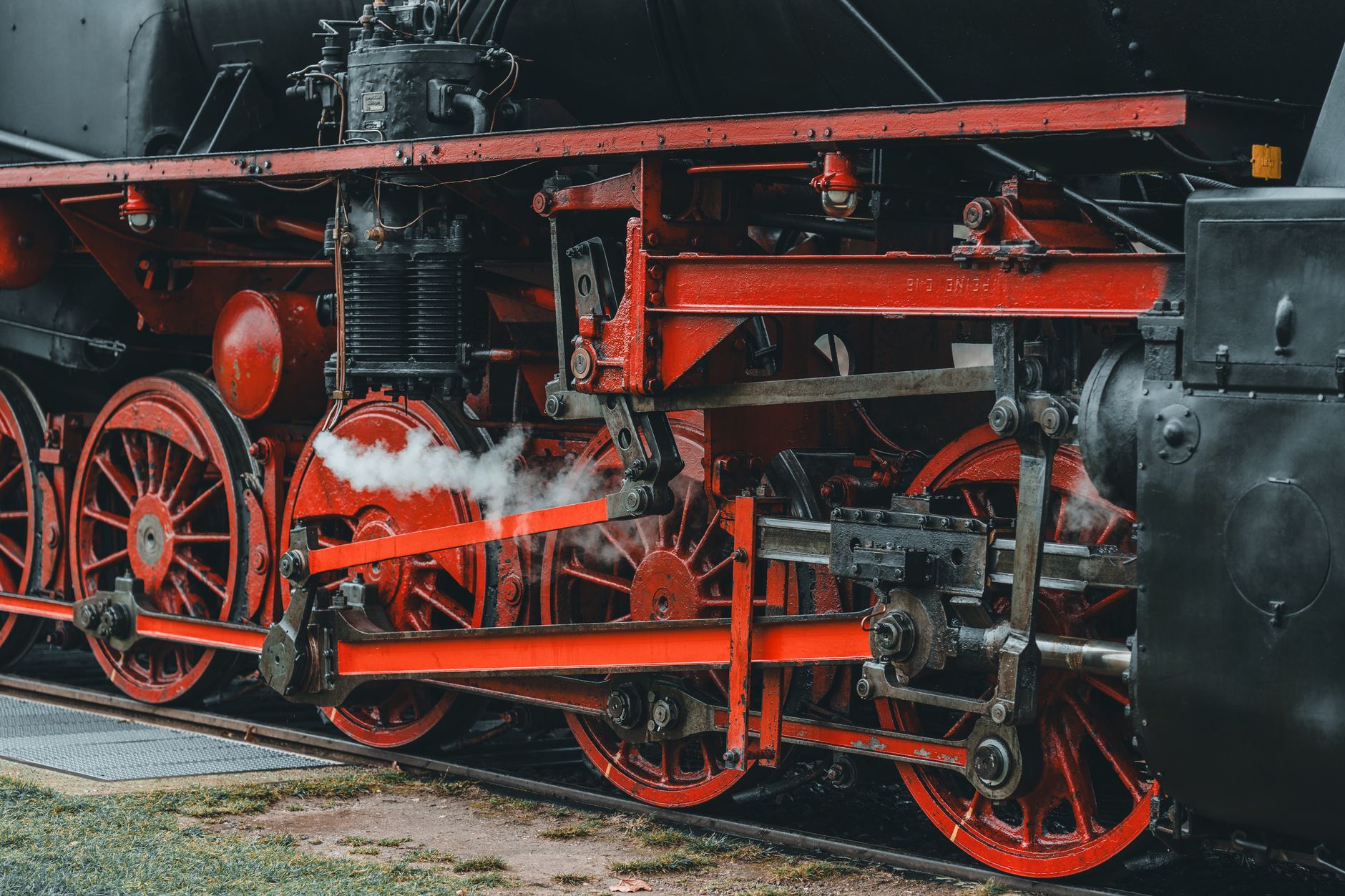
India has taken a major leap toward sustainable transportation with the launch of its first hydrogen-powered train, a development that positions the country alongside a select group of nations pioneering clean railway technology. This indigenous innovation represents a significant shift from traditional diesel locomotives that have long dominated Indian railways, particularly on non-electrified routes.
How Hydrogen Trains Work
Hydrogen-powered trains operate using fuel cells that combine hydrogen with oxygen from the air to generate electricity. This electrochemical process produces only water vapor and heat as byproducts, eliminating the harmful emissions associated with diesel engines. The electricity generated powers electric motors that drive the train, while excess energy can be stored in onboard batteries for additional efficiency.
The hydrogen fuel is typically stored in high-pressure tanks mounted on the train's roof or undercarriage. These tanks are designed with multiple safety features to prevent leaks and withstand extreme conditions. When the train needs power, hydrogen flows from these tanks to the fuel cells, creating a continuous cycle of clean energy generation.
Performance and Environmental Benefits
Early reports from pilots and passengers highlight two standout features of India's hydrogen train: zero pollution and excellent acceleration. Unlike diesel locomotives that emit carbon dioxide, nitrogen oxides, and particulate matter, hydrogen trains release only water vapor. This makes them ideal for improving air quality in urban areas and reducing the carbon footprint of railway operations.
The "excellent pickup" mentioned by pilots refers to the train's acceleration capabilities. Electric motors powered by hydrogen fuel cells provide instant torque, allowing for smooth and rapid acceleration. This performance characteristic is particularly valuable for passenger services that make frequent stops, as it reduces journey times and improves the overall travel experience.
Strategic Importance for Indian Railways
India's railway network is one of the world's largest, with thousands of kilometers of non-electrified track still dependent on diesel locomotives. Converting these routes to hydrogen power could significantly reduce the nation's fossil fuel consumption and greenhouse gas emissions. The Indian Railways has been working toward achieving net-zero carbon emissions by 2030, and hydrogen technology is a crucial component of this ambitious goal.
The indigenous development of this technology also reduces dependence on foreign expertise and equipment. By building hydrogen trains domestically, India can create jobs, develop specialized skills, and potentially export this technology to other countries with similar railway infrastructure challenges.
Global Context and Competitors
India joins a small but growing club of nations operating hydrogen trains. Germany launched the world's first hydrogen-powered passenger trains in 2018, operating on regional routes. France, the United Kingdom, and China have also been testing or developing similar technology. Each country faces unique challenges related to hydrogen production, storage infrastructure, and cost competitiveness.
The success of hydrogen trains depends largely on the availability of "green hydrogen" produced using renewable energy sources like solar or wind power. If hydrogen is produced using fossil fuels, the environmental benefits diminish significantly. India's abundant solar energy potential positions it well to develop a sustainable hydrogen production ecosystem.
Challenges and Future Outlook
Despite the promising start, several challenges remain before hydrogen trains can be widely deployed across India. The primary obstacle is the lack of hydrogen refueling infrastructure. Building a network of hydrogen production facilities and refueling stations requires substantial investment and coordination between government agencies and private sector partners.
Cost is another consideration. Currently, hydrogen trains are more expensive to manufacture and operate than conventional diesel or electric trains. However, as technology matures and production scales up, costs are expected to decrease. Government subsidies and policy support could accelerate this transition.
The initial success of India's first hydrogen train will likely lead to expanded trials on different routes and under various operating conditions. Engineers will gather data on performance, maintenance requirements, and passenger satisfaction to refine the technology further.
Impact on Sustainable Development
Beyond transportation, hydrogen technology has broader implications for India's energy transition. The expertise gained from developing hydrogen trains can be applied to other sectors, including heavy industry, shipping, and long-haul trucking. This could position India as a leader in the emerging global hydrogen economy.
The launch of this hydrogen-powered train demonstrates that sustainable technology and high performance are not mutually exclusive. As climate change concerns intensify and cities struggle with air pollution, innovations like this offer practical solutions that benefit both the environment and passengers.