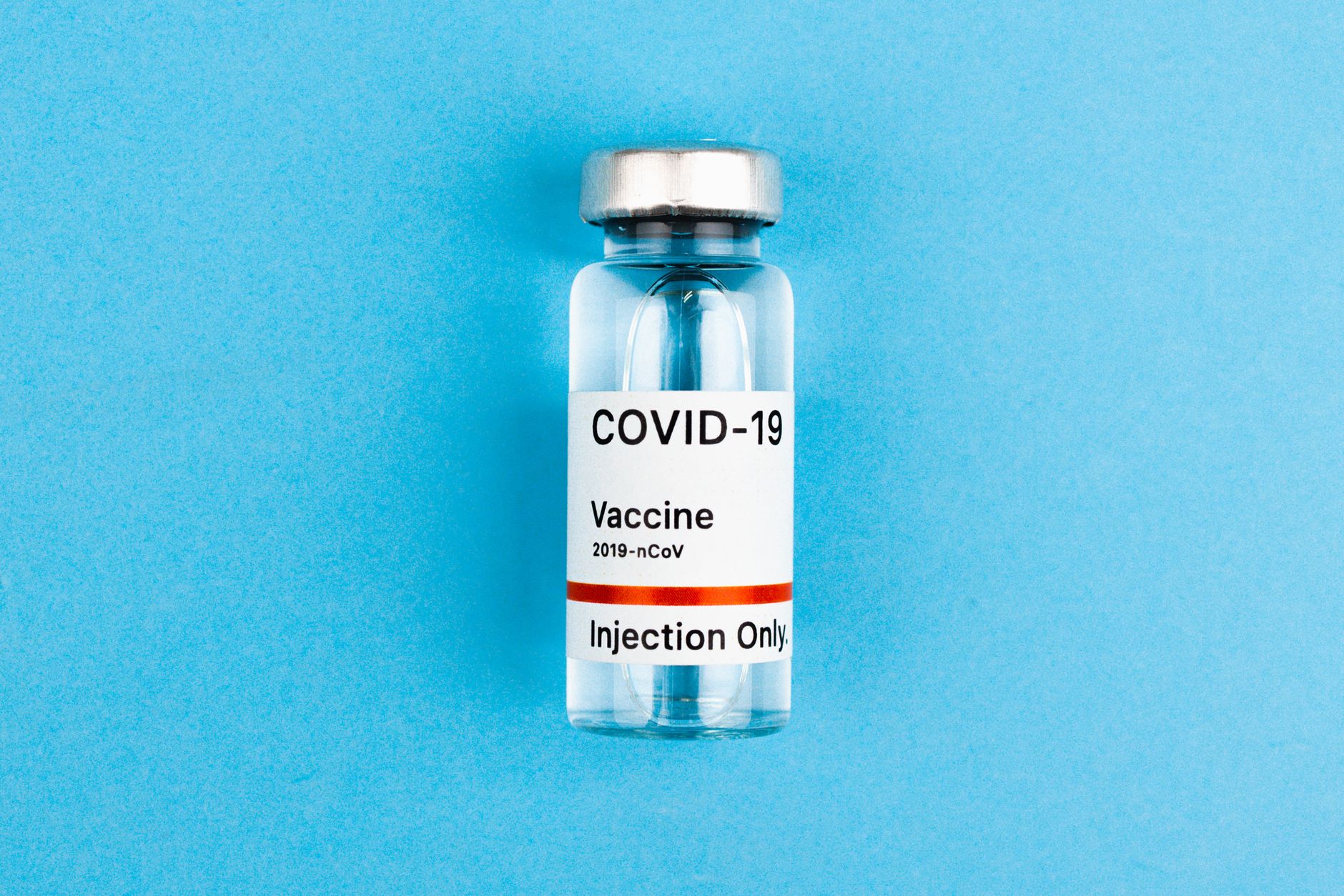
India has taken a major step forward in combating dengue fever with the approval of QDENGA, the country's first dengue vaccine. This development comes as a significant relief for a nation that witnesses hundreds of thousands of dengue cases each year, particularly during monsoon season when mosquito populations surge.
What is QDENGA?
QDENGA is a live-attenuated vaccine developed by Japanese pharmaceutical company Takeda. It has already been approved in several countries across Europe, Brazil, Argentina, Indonesia, and Thailand. The vaccine is designed to protect against all four serotypes of the dengue virus (DENV-1, DENV-2, DENV-3, and DENV-4), which is crucial since infection with one serotype doesn't provide immunity against the others and subsequent infections can be more severe.
The vaccine works by using a weakened form of the dengue virus to stimulate the immune system to produce antibodies without causing the actual disease. This prepares the body to fight off future dengue infections more effectively.
Who is Eligible for QDENGA?
QDENGA has been approved for individuals aged 4 to 60 years. This age range covers children, adolescents, and adults who are at significant risk of dengue infection. The vaccine is suitable for both individuals who have previously been infected with dengue and those who haven't had the disease before, which makes it more versatile than some earlier dengue vaccine candidates.
However, certain groups should avoid the vaccine, including:
- Pregnant women
- Breastfeeding mothers
- People with severely compromised immune systems
- Individuals with severe allergies to any vaccine components
- Those currently experiencing acute illness with high fever
Dosing Schedule
QDENGA requires two doses administered three months apart. Both doses are necessary to achieve optimal protection against dengue. The vaccine is given as a subcutaneous injection, typically in the upper arm.
It's important to complete the full two-dose schedule as recommended. The immune response builds gradually, and skipping the second dose could significantly reduce the vaccine's effectiveness.
Effectiveness and Protection
Clinical trials have shown that QDENGA is approximately 80 percent effective in preventing hospitalization due to dengue and around 60-70 percent effective in preventing symptomatic dengue overall. The vaccine's efficacy varies slightly depending on the specific dengue serotype and whether the recipient has had previous dengue infection.
The protection offered by QDENGA appears to be durable, with studies showing sustained immunity for at least four to five years after vaccination. However, long-term data is still being collected to determine if booster doses might be needed in the future.
It's worth noting that while QDENGA significantly reduces the risk of severe dengue, it doesn't provide 100 percent protection. Vaccinated individuals should still take precautions against mosquito bites.
Why This Matters for India
Dengue is a major public health concern in India, with case numbers rising dramatically in recent years. The disease causes high fever, severe headache, joint and muscle pain, and in serious cases can lead to dengue hemorrhagic fever or dengue shock syndrome, both of which can be fatal.
India's tropical climate and dense urban populations create ideal conditions for Aedes mosquitoes that transmit dengue. Cities like Delhi, Mumbai, Bengaluru, and Chennai regularly report dengue outbreaks during and after monsoon seasons.
The availability of QDENGA provides an additional tool alongside existing prevention measures like mosquito control programs, use of mosquito repellents, wearing protective clothing, and eliminating standing water where mosquitoes breed.
Cost and Availability
While the exact pricing for QDENGA in India hasn't been officially announced, it's expected to be available through private healthcare providers initially. The vaccine's cost in other countries has ranged significantly, and affordability will be a key factor in determining how widely it can be adopted in India.
Public health experts hope that if proven successful, the vaccine might eventually be included in government immunization programs, particularly in dengue-endemic regions.
The Road Ahead
The approval of QDENGA represents a breakthrough in dengue prevention in India, but it's not a standalone solution. Continued emphasis on mosquito control, public awareness, and early diagnosis and treatment remains essential. The vaccine should be viewed as part of a comprehensive dengue prevention strategy rather than a complete replacement for other protective measures.
This article is for general informational purposes only and should not be considered medical advice. Please consult with a qualified healthcare provider to determine if QDENGA is appropriate for you or your family members, and discuss any potential risks or side effects.