India has taken a significant step forward in combating dengue fever with the approval of its first-ever dengue vaccine. The Drugs Controller General of India (DCGI) has greenlit Takeda Pharmaceutical's Qdenga for use in individuals aged between 4 and 60 years, marking a new chapter in the fight against this mosquito-borne disease that affects millions of Indians annually.
Understanding Dengue and Its Impact in India
Dengue fever is a viral infection transmitted primarily by Aedes aegypti mosquitoes, which are widespread across urban and semi-urban areas in India. The disease causes high fever, severe headache, pain behind the eyes, joint and muscle pain, rash, and mild bleeding. While most people recover within a week or two, severe dengue can lead to plasma leakage, severe bleeding, organ impairment, and even death.
India reports hundreds of thousands of dengue cases each year, with numbers typically surging during and after the monsoon season when mosquito breeding intensifies. The actual burden is likely much higher due to underreporting and asymptomatic cases. States like Kerala, Karnataka, Tamil Nadu, Maharashtra, and Delhi have consistently reported high case loads.
What Makes Qdenga Different
Qdenga is a live-attenuated tetravalent vaccine, meaning it contains weakened versions of all four dengue virus serotypes (DENV-1, DENV-2, DENV-3, and DENV-4). This is crucial because infection with one serotype doesn't provide immunity against the others, and subsequent infections with different serotypes can actually increase the risk of severe dengue.
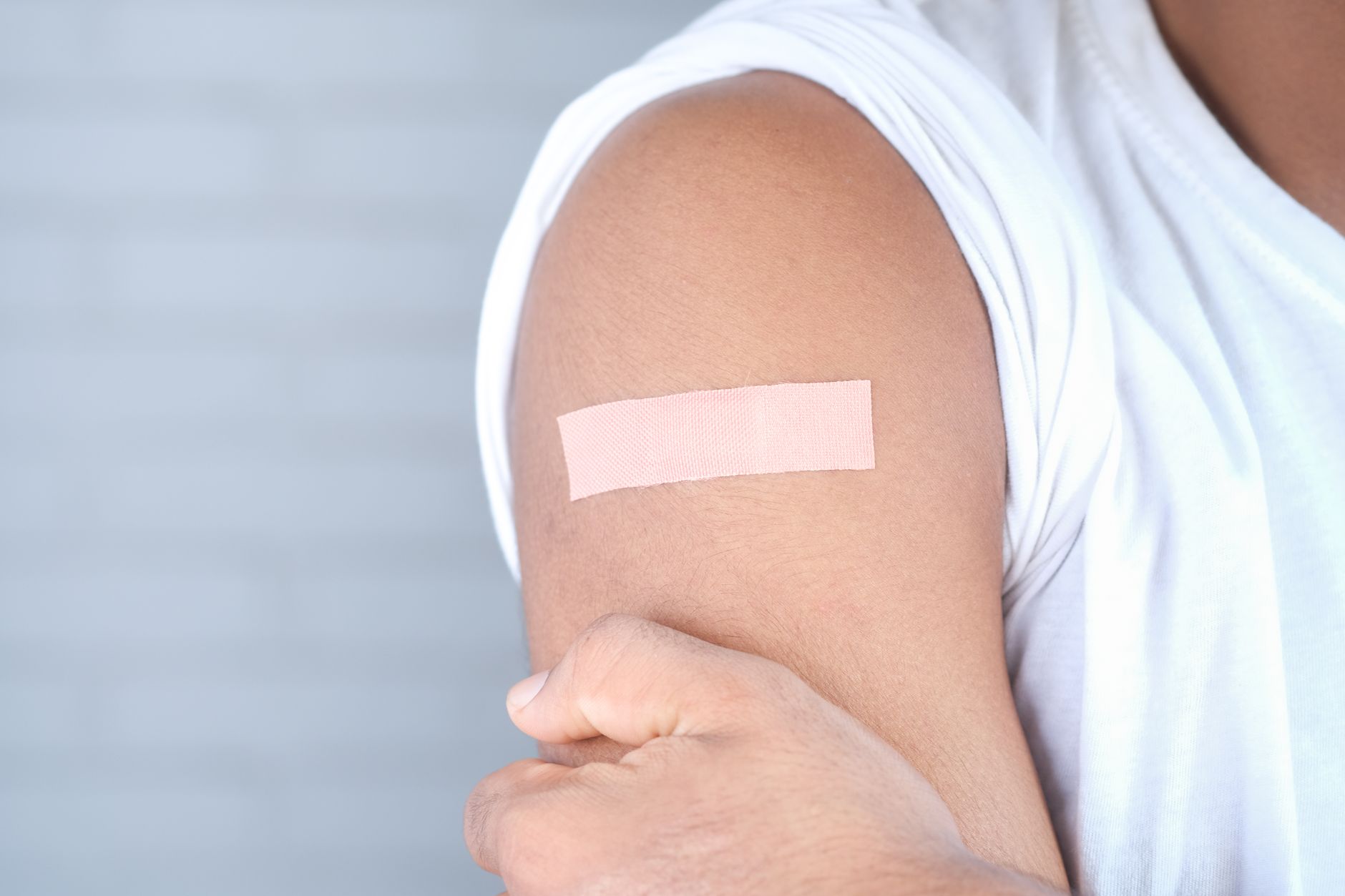
The vaccine is administered as two doses, given three months apart. Clinical trials have shown that Qdenga provides protection against symptomatic dengue and significantly reduces hospitalisations and severe dengue cases. Importantly, unlike some earlier dengue vaccines, Qdenga has demonstrated efficacy in both people who have previously been infected with dengue and those who haven't.
Who Should Consider Getting Vaccinated
The DCGI approval covers individuals aged 4 to 60 years living in dengue-endemic areas. This broad age range is significant because it includes children, who are particularly vulnerable to severe dengue, as well as working adults who may have higher exposure risks.
However, vaccination decisions should be made in consultation with healthcare providers who can assess individual risk factors, including:
- Living in or frequently travelling to high-dengue areas
- Previous history of dengue infection
- Occupational exposure risk
- Overall health status and other medical conditions
- Pregnancy or breastfeeding status
What This Means for Dengue Control in India
The availability of a dengue vaccine represents an important addition to existing prevention strategies, but it's not a standalone solution. Effective dengue control requires an integrated approach that includes:
- Continued mosquito control measures through eliminating breeding sites
- Use of mosquito repellents and protective clothing
- Installation of window screens and bed nets
- Community awareness and participation in vector control
- Early detection and appropriate medical care for dengue cases
The vaccine adds another layer of protection, particularly for high-risk populations, but environmental management and personal protective measures remain essential.
Availability and Access
As a newly approved vaccine, Qdenga's rollout will likely be gradual. Key questions about pricing, insurance coverage, and inclusion in government immunisation programs remain to be addressed. Takeda will need to establish distribution networks and ensure adequate supply to meet potential demand in a country as large and diverse as India.
Healthcare providers will also need training on vaccine administration, patient counselling, and managing any adverse effects. Public health authorities will need to develop guidelines on priority populations and vaccination strategies to maximise impact.
Looking Ahead
The approval of India's first dengue vaccine is undoubtedly a landmark achievement in public health. As climate change and urbanisation continue to expand mosquito habitats, dengue is likely to remain a significant health challenge. Having a preventive tool like Qdenga, combined with robust surveillance, vector control, and healthcare infrastructure, offers hope for reducing the burden of this debilitating disease.
The coming months will be crucial in determining how quickly and effectively this vaccine can be integrated into India's healthcare system and what real-world impact it can achieve in protecting vulnerable populations.
This article is for general information purposes only and should not be considered medical advice. Individuals should consult qualified healthcare professionals for personalised guidance regarding dengue vaccination and prevention strategies appropriate to their specific circumstances.