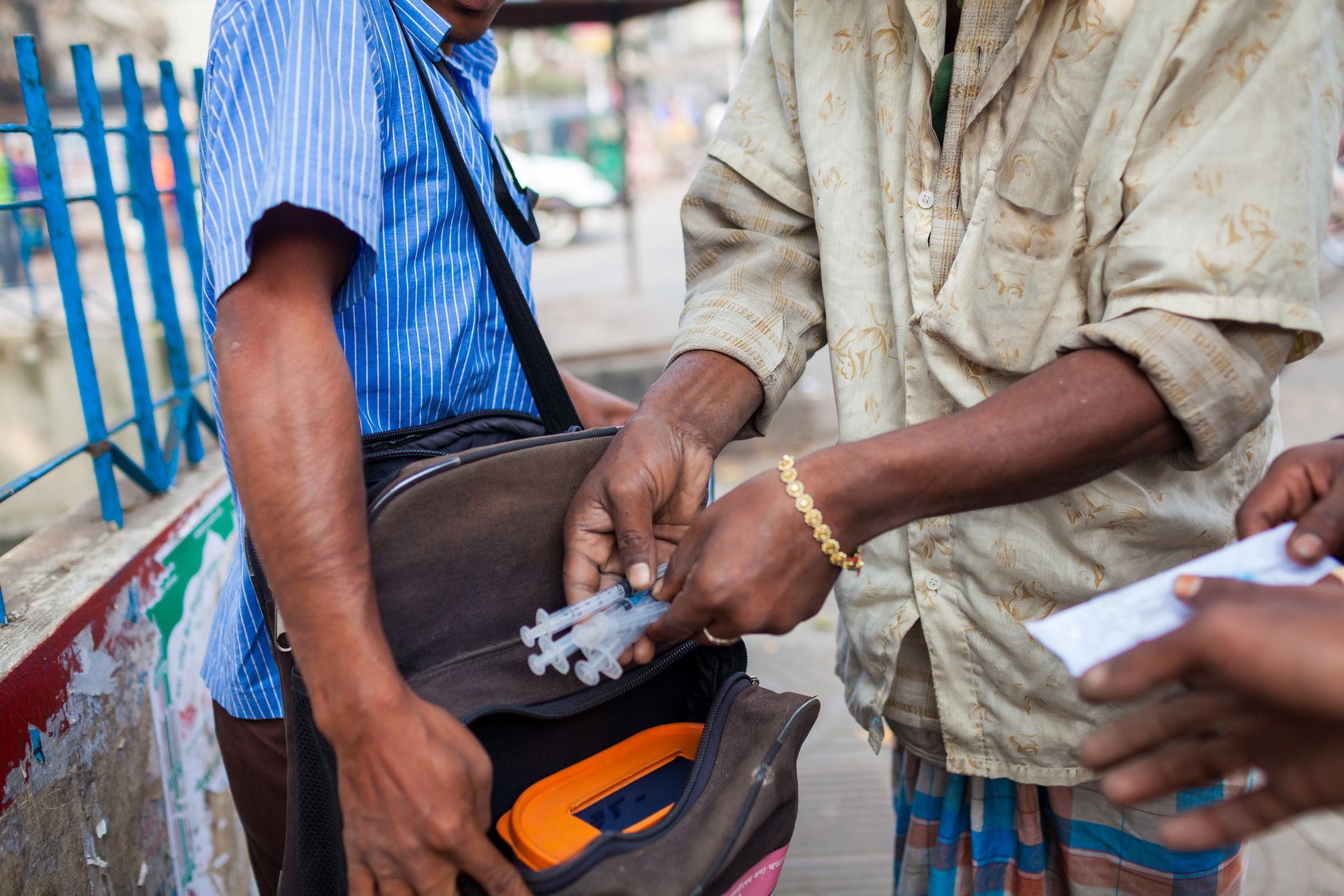
India is intensifying its fight against viral hepatitis, a group of infectious diseases that silently affects millions of people nationwide. The government's renewed commitment to eliminating hepatitis as a public health threat by 2030 represents a significant step toward improving the nation's overall health outcomes and reducing preventable deaths.
Understanding Hepatitis and Its Impact on India
Hepatitis refers to inflammation of the liver, commonly caused by viral infections. The five main types—Hepatitis A, B, C, D, and E—affect people differently, with Hepatitis B and C being the most concerning due to their chronic nature and potential to cause liver cirrhosis and cancer.
India bears a substantial burden of viral hepatitis. Estimates suggest that approximately 40 million people in the country are living with chronic Hepatitis B, while another 6-12 million are affected by Hepatitis C. These numbers make India one of the countries with the highest hepatitis prevalence globally. The disease often remains undiagnosed for years because many infected individuals show no symptoms until severe liver damage has occurred.
Key Components of India's Elimination Strategy
The national hepatitis elimination programme focuses on several critical areas to achieve the 2030 target set by the World Health Organization.
- Expanded screening and testing programmes in both urban and rural areas
- Free or subsidized antiviral treatment for diagnosed patients
- Universal immunization for Hepatitis B, particularly for newborns
- Awareness campaigns to educate the public about transmission and prevention
- Strengthening blood safety protocols and infection control in healthcare settings
- Training healthcare workers to identify and manage hepatitis cases
The government has been working to make diagnostic testing more accessible through primary health centres and district hospitals. Early detection is crucial because antiviral medications can effectively manage chronic Hepatitis B and cure Hepatitis C in most cases, preventing progression to serious liver disease.
Vaccination: The First Line of Defense
India introduced the Hepatitis B vaccine into its Universal Immunization Programme in 2011, marking a major milestone in prevention efforts. The vaccine is now administered to infants at birth, followed by booster doses at 6, 10, and 14 weeks of age.
This vaccination strategy has already shown promising results in reducing new infections among children. However, reaching every newborn, especially in remote areas, remains a challenge that the enhanced programme aims to address through improved healthcare infrastructure and community outreach.
Challenges in Achieving the 2030 Goal
Despite the ambitious targets, several obstacles stand in the way of hepatitis elimination. The asymptomatic nature of chronic hepatitis means many infected individuals never seek testing. Stigma surrounding the disease also prevents people from coming forward for diagnosis and treatment.
Financial constraints pose another barrier. While the government has made treatments more affordable, the sheer scale of the affected population requires substantial resources for testing, medication, and healthcare infrastructure. Rural areas, where access to diagnostic facilities and specialist care is limited, face particular difficulties.
Additionally, awareness about hepatitis transmission and prevention remains low among the general population. Many people don't understand that hepatitis can spread through contaminated needles, unsafe medical procedures, or from infected mothers to newborns.
What This Means for Indian Citizens
For ordinary Indians, the government's renewed focus on hepatitis elimination translates into greater access to preventive and curative services. More people will have opportunities for free or low-cost screening at government health facilities.
Those diagnosed with chronic hepatitis can expect improved access to life-saving antiviral medications. The newer Direct-Acting Antivirals for Hepatitis C, which can cure the infection in 8-12 weeks with minimal side effects, are becoming increasingly available through government programmes.
The initiative also emphasizes safe injection practices, screened blood transfusions, and sterile medical equipment—measures that protect everyone from infection risk during healthcare visits.
Moving Forward
India's hepatitis elimination effort represents a crucial public health initiative that could save countless lives and reduce the burden of liver disease nationwide. Success will require sustained political commitment, adequate funding, community participation, and coordination between various healthcare levels.
As the 2030 deadline approaches, regular monitoring and course corrections will be essential. If the programme achieves its goals, India will join the global community in controlling a disease that has long remained in the shadows of public health priorities.
This article is for general informational purposes only and should not be considered medical advice. If you suspect you may have hepatitis or have risk factors for the disease, please consult a qualified healthcare professional for proper testing and guidance.