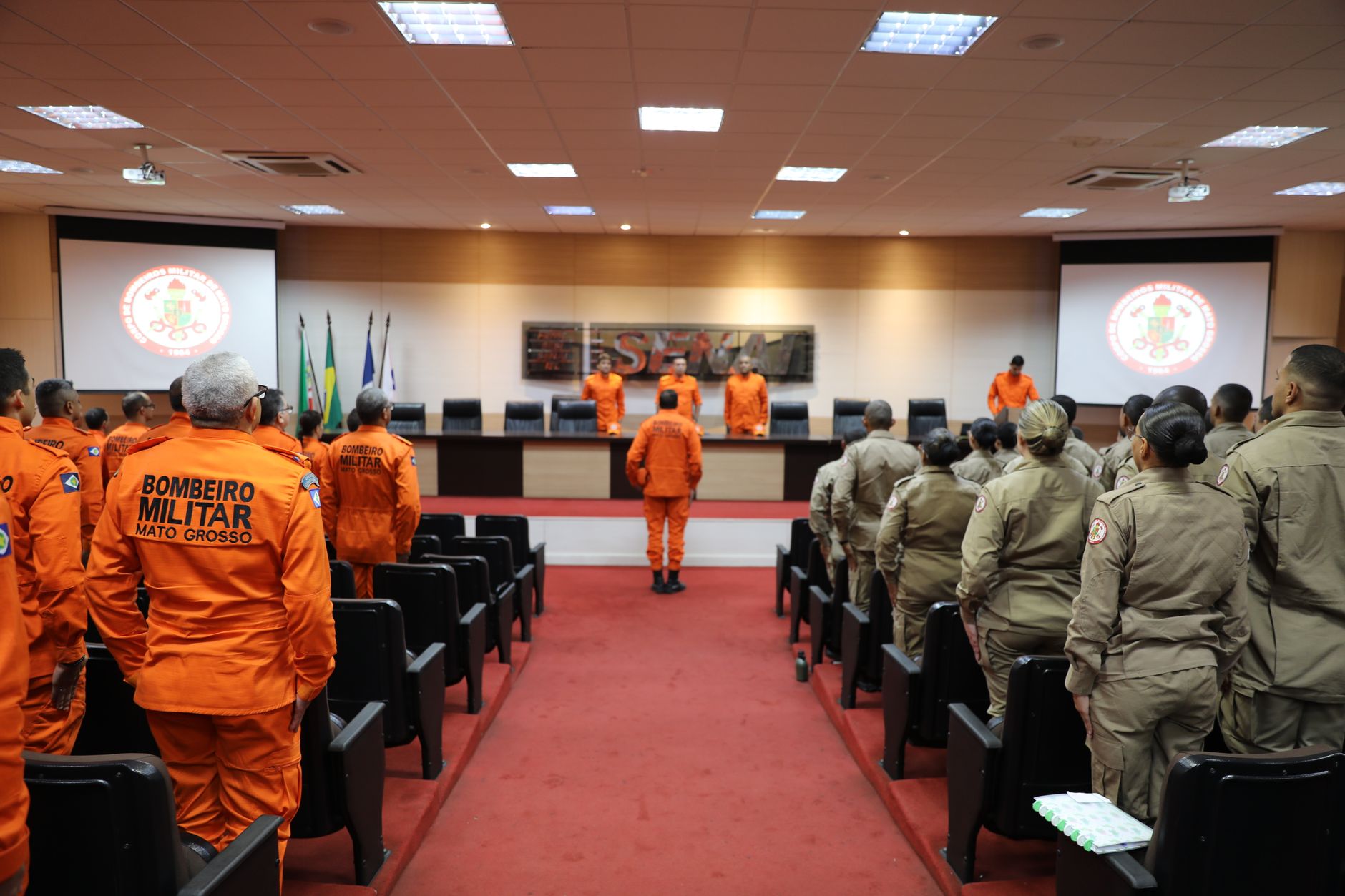
Indian peacekeepers serving with the United Nations Mission in South Sudan (UNMISS) have expanded their role beyond traditional security duties to address critical health challenges facing rural communities in Jonglei State. Through targeted veterinary interventions, these peacekeepers are making a tangible difference in the lives of pastoralist communities for whom livestock represents not just livelihood but cultural identity and economic security.
The Critical Role of Livestock in Jonglei
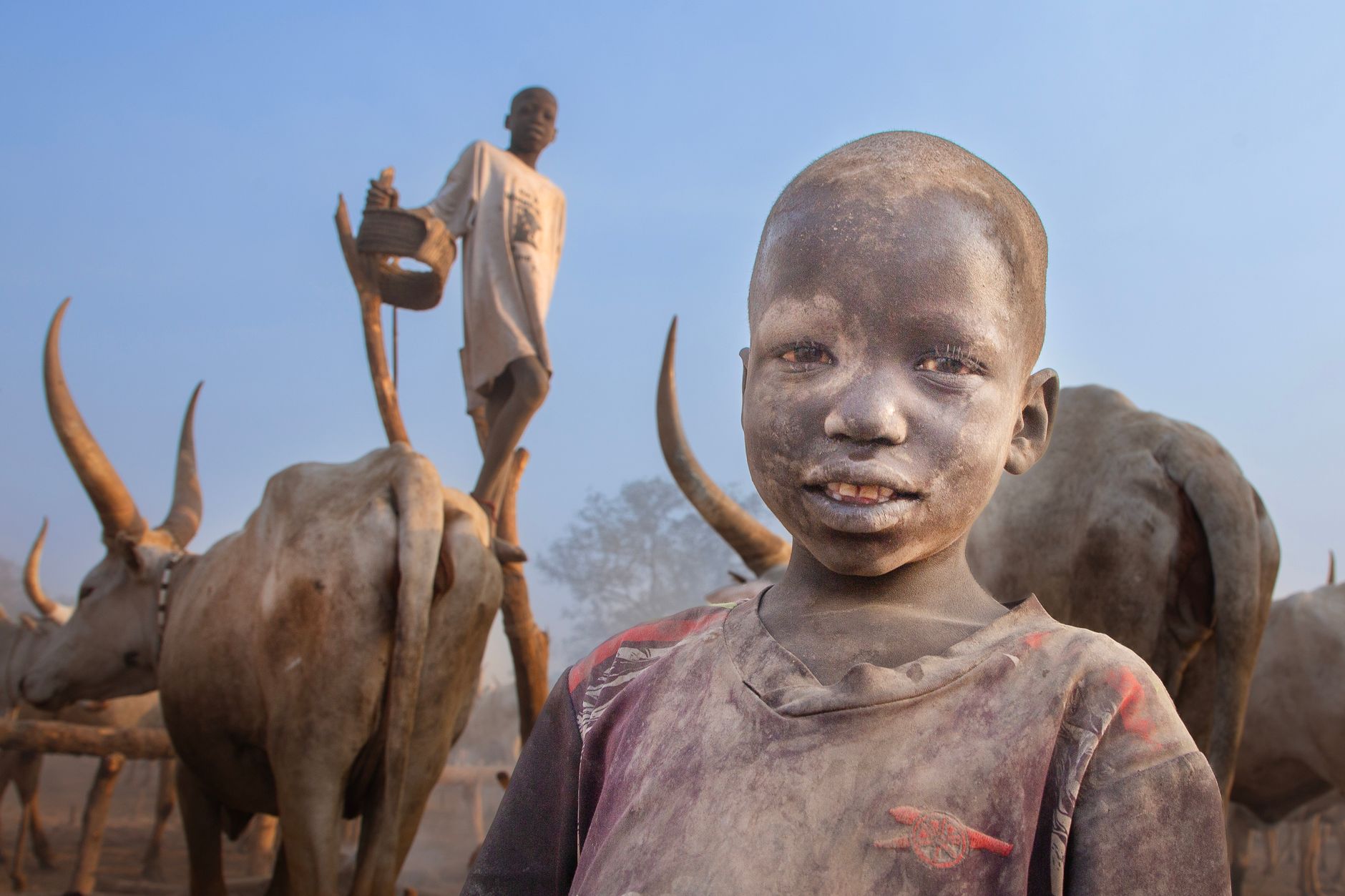
Jonglei State, one of South Sudan's most conflict-affected regions, is home to predominantly pastoralist communities who depend almost entirely on cattle, goats, and sheep for their survival. Livestock provides milk, meat, and income, while also serving as a form of wealth storage and social currency in a region with limited banking infrastructure. When diseases strike herds, entire communities face food insecurity and economic devastation.
The region's challenging environment, characterized by seasonal flooding, limited veterinary infrastructure, and ongoing conflict, creates ideal conditions for livestock diseases to spread unchecked. Common ailments include tick-borne diseases, respiratory infections, and parasitic conditions that can decimate herds if left untreated.
Indian Peacekeepers' Veterinary Initiative
The Indian contingent within UNMISS has deployed veterinary professionals as part of their peacekeeping mandate. These trained veterinarians and para-veterinary staff conduct regular mobile clinics in remote villages, bringing essential animal healthcare services to communities that would otherwise have no access to such expertise.
The peacekeepers provide a range of services including:
- Vaccinations against common livestock diseases
- Treatment for sick and injured animals
- Deworming programs to control parasitic infections
- Training local community members in basic animal husbandry practices
- Distribution of essential veterinary medicines and supplies
- Disease surveillance and outbreak prevention measures
Impact on Rural Livelihoods
The veterinary interventions have produced measurable improvements in animal health outcomes. Healthier livestock means increased milk production, better breeding success, and reduced mortality rates among herds. For families in Jonglei, this translates directly into improved nutrition, particularly for children who depend on animal milk as a primary protein source.
The economic benefits extend throughout the community. Farmers with healthier animals can sell surplus livestock at better prices in local markets. Women, who traditionally manage smaller livestock like goats and chickens, report increased income from selling dairy products and eggs. This additional income enables families to purchase essential goods, pay school fees, and invest in other income-generating activities.
Building Local Capacity
Perhaps the most sustainable aspect of the Indian peacekeepers' program is their emphasis on knowledge transfer. By training local community members in preventive care, basic treatment protocols, and disease recognition, the initiative is creating a lasting legacy that will continue benefiting communities long after the peacekeepers depart.
Local participants learn to identify early warning signs of common diseases, administer basic treatments, and implement hygiene practices that prevent disease spread. This capacity building empowers communities to take greater control of their animal health management, reducing dependency on external assistance.
Peace Through Development
The livestock health program exemplifies the modern peacekeeping approach that recognizes sustainable peace requires addressing root causes of conflict and instability. In regions where resource competition drives violence, improving livestock health reduces tensions over grazing lands and water sources. Healthier, more productive herds mean less need for communities to encroach on neighboring territories.
The initiative has also fostered positive relationships between peacekeepers and local populations. By addressing immediate, practical needs, the Indian contingent has built trust and demonstrated that international presence can deliver concrete benefits to ordinary citizens.
Challenges and Future Outlook
Despite its successes, the program faces ongoing challenges including limited supplies, vast distances between settlements, seasonal inaccessibility of some areas, and the complexity of operating in an active conflict zone. Sustained funding and continued international support remain essential for expanding these services to reach more communities across Jonglei State.
The Indian peacekeepers' veterinary initiative in Jonglei demonstrates how creative approaches to peacekeeping can address humanitarian needs while contributing to long-term stability and development in fragile regions.