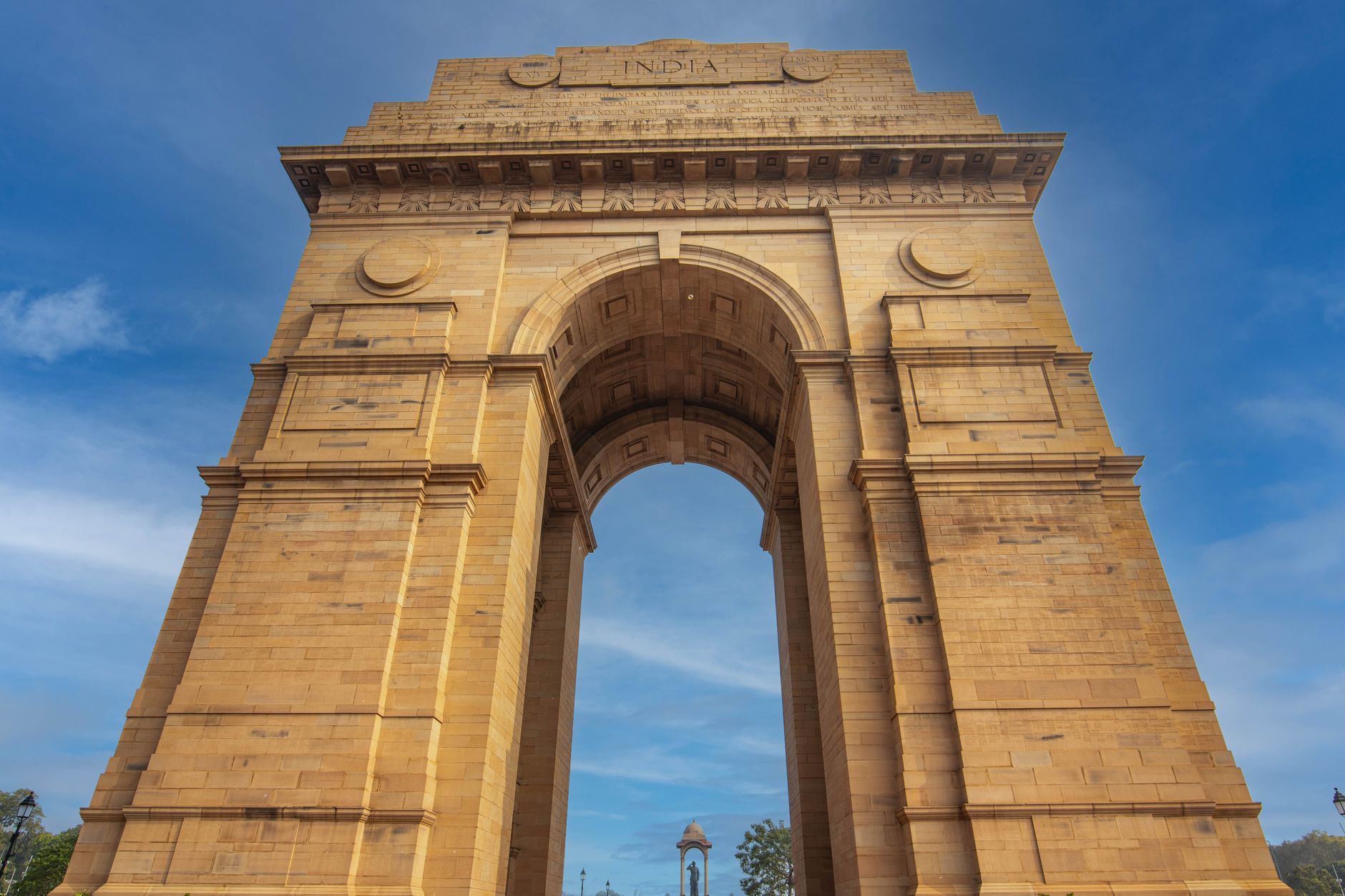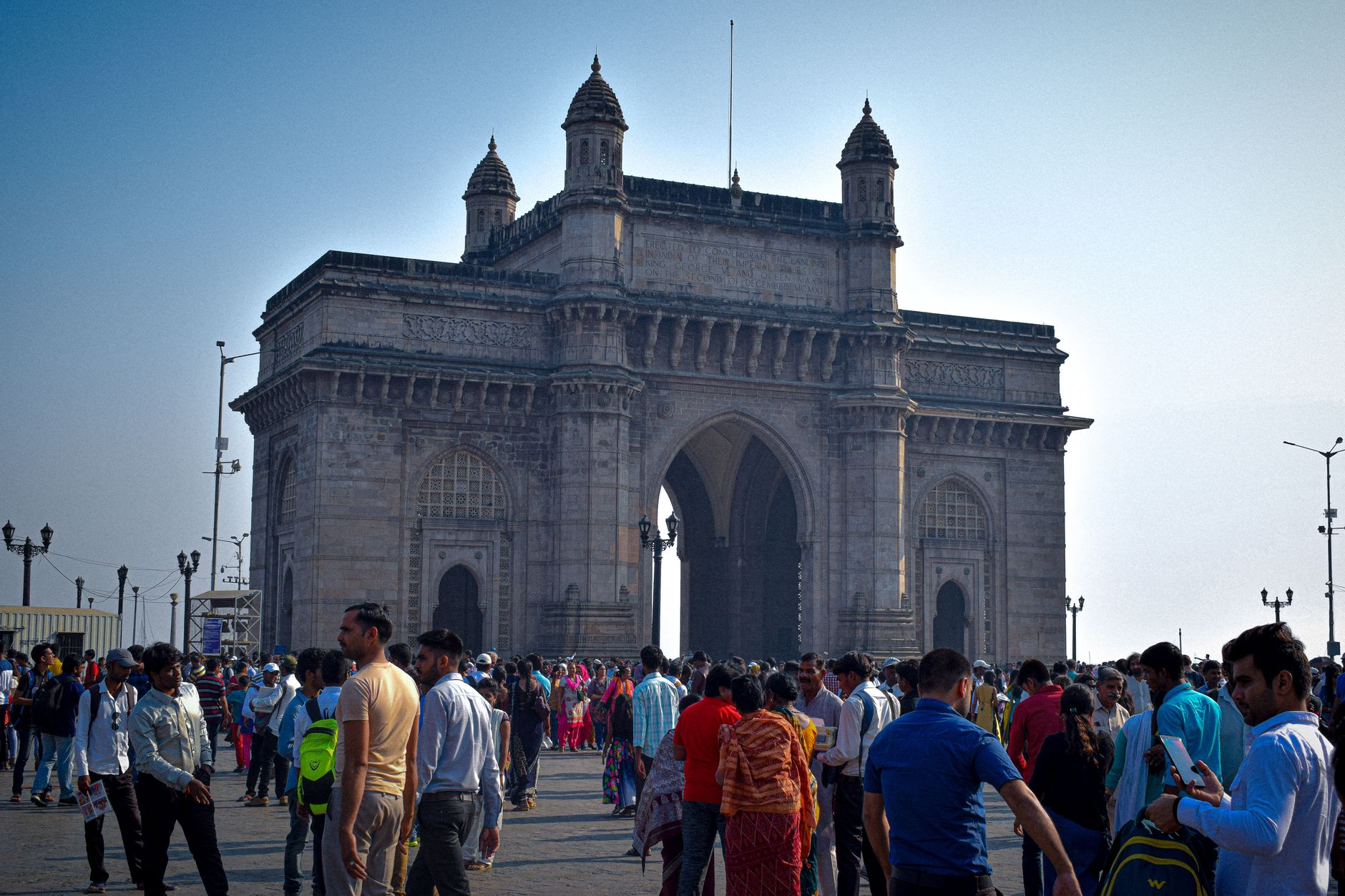
India has quietly transformed itself into one of the world's most dynamic tourism destinations over the past ten years. From crumbling roads to gleaming airports, from isolated pilgrimage sites to well-connected spiritual hubs, the country's travel landscape has undergone a metamorphosis that has captured both domestic and international attention.
The Infrastructure Revolution
The most visible change in Indian tourism has been the dramatic improvement in physical infrastructure. The government's push to modernize airports has resulted in new terminals in cities like Mumbai, Delhi, and Bangalore, while tier-2 cities like Guwahati, Lucknow, and Bhubaneswar have received complete airport overhauls. This expansion has reduced congestion and improved the first impression international visitors receive.
Highway development has been equally transformative. The Bharatmala Pariyojana project has created thousands of kilometers of national highways, reducing travel times between major tourist destinations. The Delhi-Mumbai Expressway, once completed, will cut journey times by half. State highways connecting tourist circuits have been widened and resurfaced, making road trips more comfortable and safer.
Railway modernization has introduced Vande Bharat Express trains on multiple routes, offering speed and comfort previously unavailable to rail travelers. Station redevelopment projects have turned major hubs into modern facilities with better amenities, cleanliness, and passenger services.
The Spiritual Tourism Renaissance
India's spiritual heritage has always attracted seekers, but the past decade has seen deliberate efforts to enhance the pilgrimage experience. The government has prioritized development of key religious sites under various schemes, recognizing that spiritual tourism represents a significant portion of domestic travel.
Varanasi's waterfront has been extensively beautified, with improved ghats, better lighting, and cleaner surroundings. The Kashi Vishwanath Corridor project opened up the temple complex, allowing better crowd management and a more dignified pilgrimage experience. Similar transformations have occurred at Ayodhya, Kedarnath, and Shirdi.
Helicopter services have been introduced to difficult-to-reach Himalayan shrines, making the Char Dham yatra accessible to elderly pilgrims and those with limited time. Online booking systems for darshan at major temples have reduced waiting times and eliminated the chaos that once characterized temple visits.
The rise of wellness tourism has complemented traditional pilgrimage. Rishikesh and Kerala have positioned themselves as yoga and Ayurveda destinations, attracting international tourists seeking authentic spiritual and wellness experiences. Government certification programs have improved standards at ashrams and wellness centers.
Connectivity That Changed Everything
Perhaps nothing has impacted tourism more profoundly than improved connectivity, both physical and digital. Low-cost carriers have proliferated, making air travel affordable for middle-class Indians. Routes to smaller cities have multiplied, enabling direct connections that previously required multiple stops.
Digital connectivity has revolutionized how Indians travel. Smartphone penetration and affordable data have put travel planning in everyone's pocket. Apps for booking trains, flights, hotels, and cabs have simplified the logistics that once made travel daunting. Digital payment systems have reduced the need to carry cash, improving security and convenience.
Social media has democratized travel inspiration. Instagram and YouTube have introduced Indians to domestic destinations they never knew existed. Offbeat locations in Northeast India, Himachal Pradesh, and Ladakh have gained popularity as travelers seek experiences beyond traditional tourist circuits.
The rise of homestays and alternative accommodation through platforms has made travel more affordable and authentic. Travelers can now stay in local homes in remote villages, gaining cultural experiences impossible in traditional hotels.
The Domestic Tourism Boom
These improvements have triggered explosive growth in domestic tourism. Middle-class Indians are traveling more frequently, taking multiple short trips instead of one annual vacation. Weekend getaways have become common as improved roads reduce travel times to nearby destinations.
Tourism has spread beyond peak seasons as better infrastructure makes year-round travel comfortable. Hill stations are no longer just summer escapes, and beach destinations attract visitors throughout the year.
The economic impact has been substantial. Tourism has created employment in regions with few other opportunities, from Himalayan villages to coastal towns. Small businesses catering to tourists have flourished, from adventure sports operators to local handicraft sellers.
International tourist arrivals have also grown, though India still captures a small share of global tourism compared to its potential. Improved visa policies, including e-visas for many countries, have simplified entry procedures.
Challenges Remain
Despite progress, challenges persist. Over-tourism threatens some popular destinations, particularly hill stations during peak seasons. Environmental degradation at fragile sites requires better management. Service quality remains inconsistent, and tourist safety, particularly for women, needs continued attention.
The next decade will determine whether India can build on this foundation to become a truly world-class destination that balances growth with sustainability.