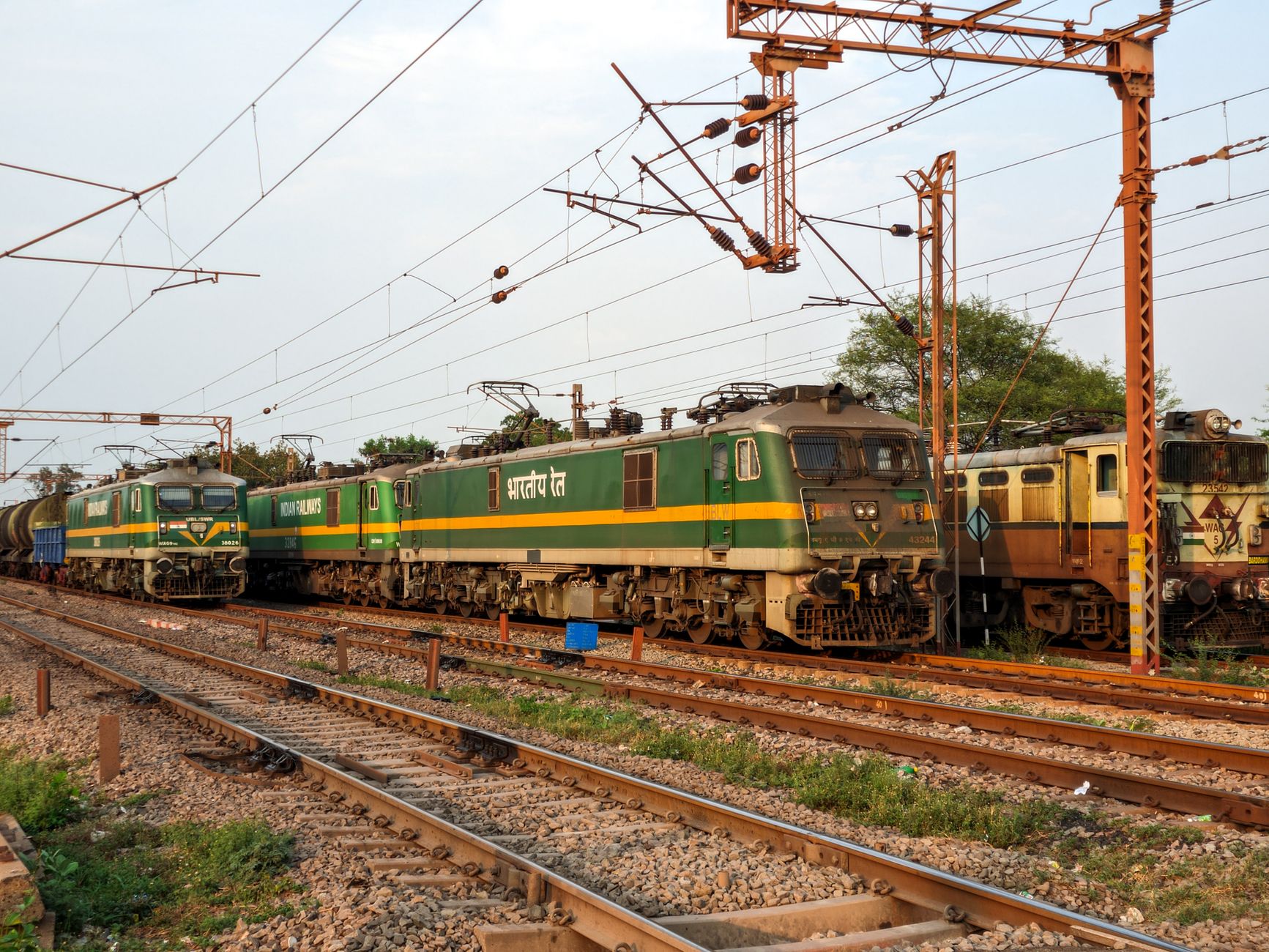
India's railway sector has achieved a major breakthrough by retaining intellectual property rights for its indigenous hydrogen train technology. This development positions the country as a potential leader in sustainable rail transport solutions while advancing the government's Make in India and Atmanirbhar Bharat initiatives.
Understanding Hydrogen Train Technology
Hydrogen trains represent the next generation of eco-friendly rail transport. Unlike conventional diesel locomotives or even electric trains that draw power from the grid, hydrogen trains generate electricity onboard through fuel cells. These fuel cells combine hydrogen with oxygen from the air, producing electricity to power the train's motors while emitting only water vapor and heat as byproducts.
The technology offers several advantages over traditional rail systems. Hydrogen trains can operate on non-electrified tracks without the need for expensive overhead catenary systems or third rails. They provide longer range capabilities compared to battery-electric trains and can be refueled relatively quickly, similar to diesel locomotives but without the harmful emissions.
India's Indigenous Development Journey
The development of indigenous hydrogen train technology demonstrates India's growing capabilities in advanced engineering and clean technology sectors. By retaining IP rights, India maintains full control over the technology's commercialization, licensing, and future development. This ownership enables the country to manufacture these trains domestically, potentially at lower costs than importing foreign technology.
The retention of IP rights also means India can export this technology to other countries, creating new revenue streams and establishing the nation as a technology provider rather than merely a consumer. This shift is particularly significant for a country that has historically relied on foreign expertise for advanced railway technologies.
Environmental and Economic Implications
India's railway network is one of the world's largest, carrying millions of passengers and freight tonnage daily. A significant portion of this network still relies on diesel locomotives, which contribute substantially to carbon emissions and air pollution. The introduction of hydrogen trains could dramatically reduce the carbon footprint of Indian Railways.
The environmental benefits extend beyond emissions reduction. Hydrogen can be produced through various methods, including electrolysis powered by renewable energy sources such as solar and wind. This creates a sustainable energy ecosystem where excess renewable energy can be stored as hydrogen and later used for transportation.
From an economic perspective, reducing diesel consumption for railways translates to lower fuel import bills and reduced vulnerability to global oil price fluctuations. The development and deployment of hydrogen trains will also create new employment opportunities in manufacturing, maintenance, and hydrogen production infrastructure.
Infrastructure Requirements
Implementing hydrogen train technology requires developing supporting infrastructure. Hydrogen production facilities, storage systems, and refueling stations must be established at strategic locations across the rail network. This infrastructure development represents both a challenge and an opportunity for industrial growth and investment.
The technology also requires training railway staff in new operational and safety protocols specific to hydrogen fuel systems. Safety measures must be implemented to handle hydrogen, which is highly flammable and requires careful management throughout the production, storage, and distribution chain.
Global Context and Competition
Several countries have already deployed hydrogen trains or are testing prototypes. Germany introduced the world's first commercial hydrogen train service in 2018, while France, the UK, and China have been developing their own versions. India's retention of IP rights for indigenous technology allows it to compete in this emerging global market without paying licensing fees to foreign entities.
This technological independence also strengthens India's negotiating position in international partnerships and joint ventures. Countries looking to adopt hydrogen rail technology may find India's solutions attractive, particularly developing nations seeking cost-effective alternatives to European or Japanese technologies.
Future Roadmap
The successful development and IP retention of hydrogen train technology likely represents just the beginning of India's hydrogen mobility journey. The expertise gained can be applied to other transport sectors, including buses, trucks, and even maritime vessels. The government's focus on green hydrogen as part of the National Hydrogen Mission further supports this technological direction.
As India works toward its climate commitments and net-zero targets, hydrogen trains will play an increasingly important role in decarbonizing the transport sector. The retained IP rights ensure that Indian engineers and companies remain at the forefront of this transformation, contributing to both environmental sustainability and economic growth through technological innovation.