President Droupadi Murmu's recent diplomatic visit to North Macedonia represents a significant milestone in India's expanding global partnerships, particularly in sectors that define 21st-century economic growth. The focus on technology, healthcare, and artificial intelligence signals both countries' recognition of collaborative opportunities in addressing shared challenges and leveraging complementary strengths.
Why North Macedonia Matters for India
North Macedonia, a small Balkan nation with a population of approximately 2 million, may seem an unlikely partner for India at first glance. However, the country has been quietly developing its technology sector and healthcare infrastructure, making it an interesting case study for bilateral cooperation. Located at the crossroads of Europe, North Macedonia offers India a strategic gateway to the broader European market while providing the Balkan nation access to Indian expertise in digital transformation and pharmaceutical innovation.
The visit marks the first-ever presidential-level engagement between the two countries, underscoring the importance both nations place on exploring new partnerships beyond traditional diplomatic circles.
Healthcare Collaboration: Mutual Benefits
India's pharmaceutical industry, often called the "pharmacy of the world," produces approximately 60 percent of global vaccines and supplies generic medications to over 200 countries. North Macedonia, with its EU accession aspirations and developing healthcare system, presents opportunities for Indian pharmaceutical companies to expand their European footprint while ensuring affordable medicine access for Macedonian citizens.
Key areas of potential healthcare cooperation include:
- Exchange of medical professionals and training programs
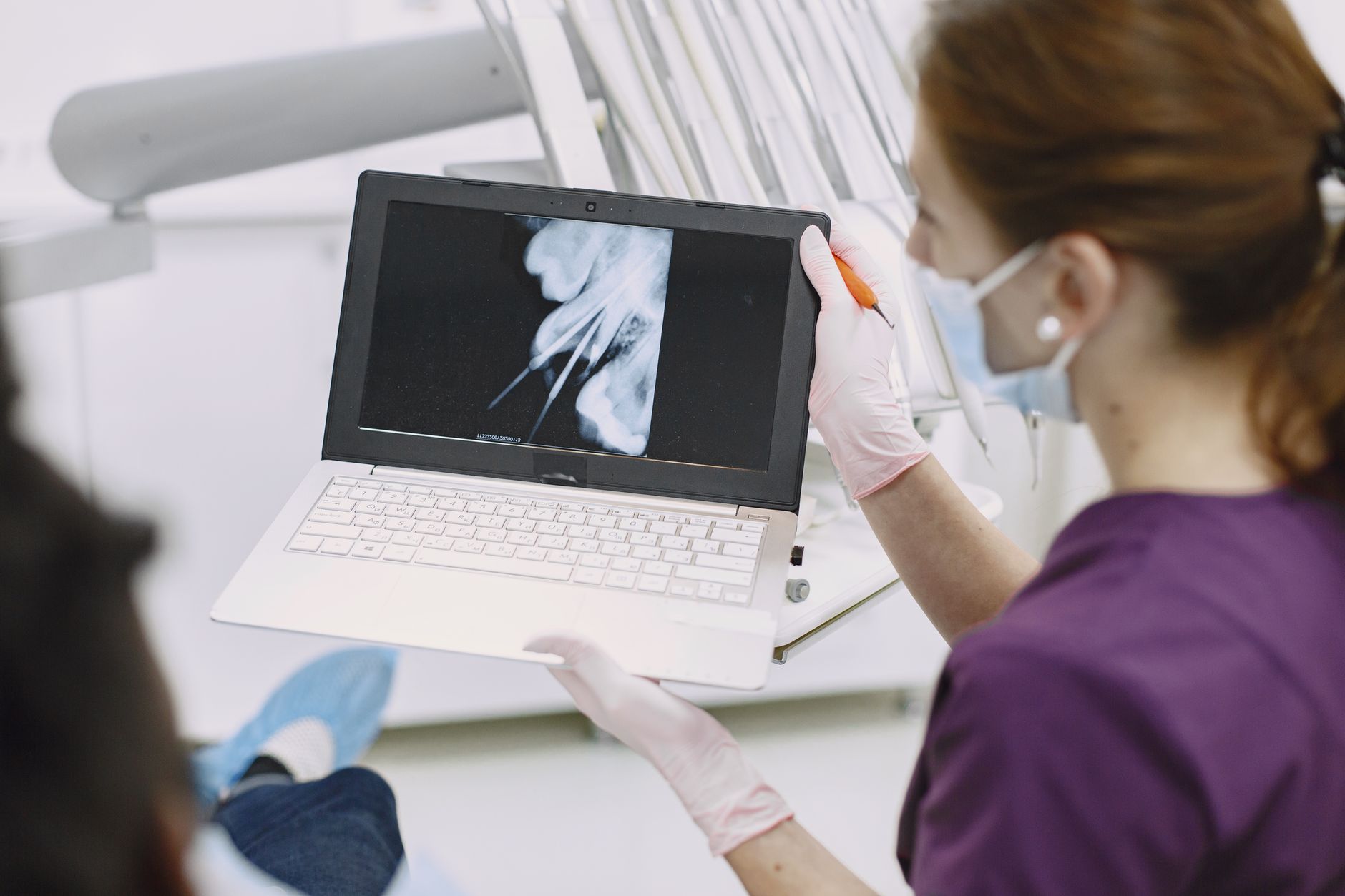
- Collaboration on telemedicine infrastructure development
- Joint research initiatives in public health management
- Supply chain partnerships for essential medicines and vaccines
- Traditional medicine and wellness tourism exchanges
For India, such partnerships also serve as testing grounds for healthcare delivery models that combine traditional approaches with modern technology—expertise that could later be scaled to larger markets.
Technology and Digital Infrastructure
Both countries have expressed interest in deepening cooperation in information technology and digital infrastructure. India's prowess in software development, IT services, and digital public infrastructure—exemplified by platforms like Aadhaar and UPI—offers valuable lessons for nations building their digital economies.
North Macedonia has been investing in its IT sector, with growing numbers of technology startups and outsourcing companies. The country's relatively skilled workforce and lower operational costs make it attractive for Indian companies seeking European operations bases.
Potential technology collaborations might include:
- Joint ventures in software development and IT services
- Capacity building programs for digital skills training
- Cybersecurity cooperation and information sharing
- Development of e-governance solutions
- Support for startup ecosystems and innovation hubs
Artificial Intelligence: The Future Focus
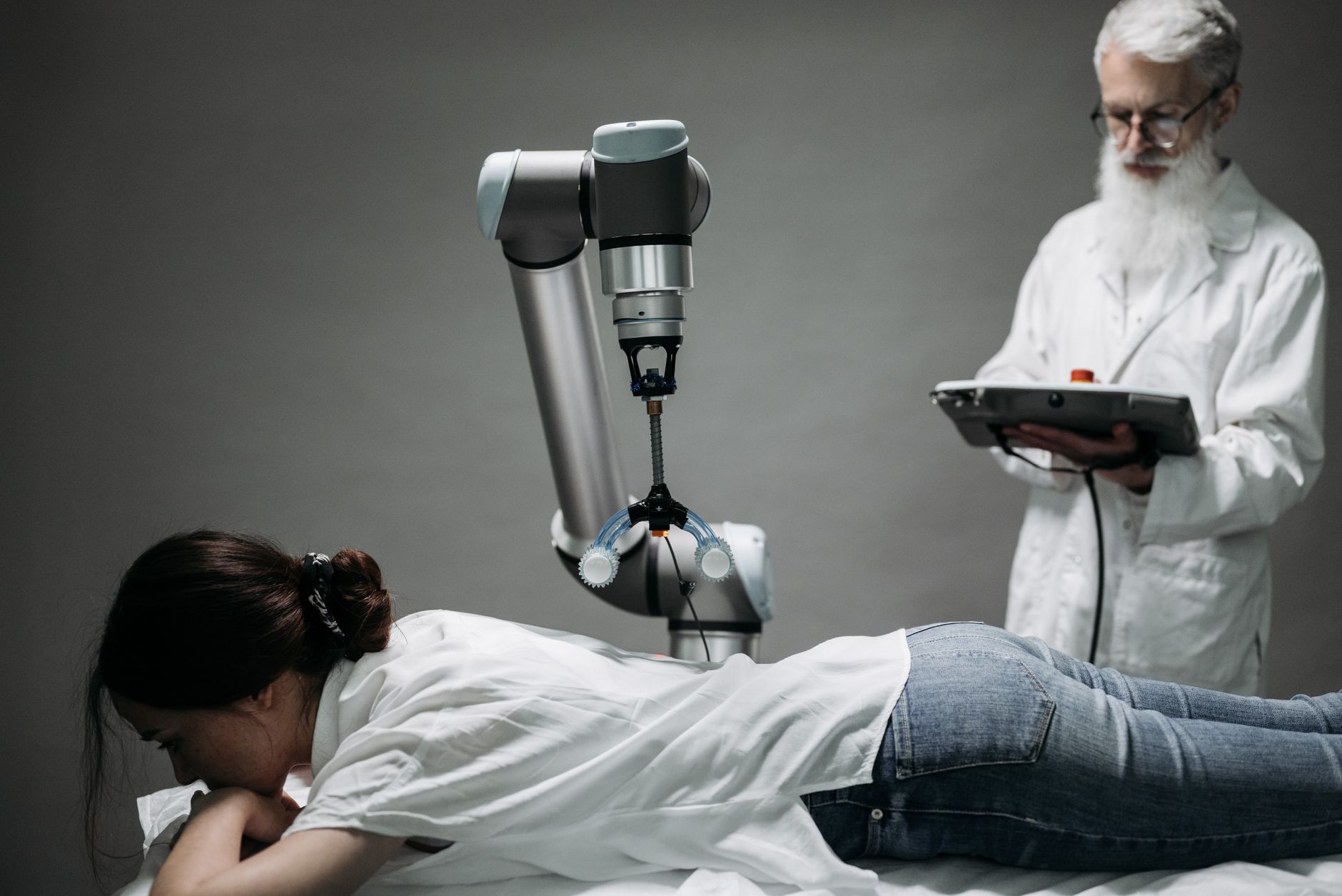
Perhaps the most forward-looking aspect of this cooperation involves artificial intelligence. Both nations recognize AI's transformative potential across sectors—from agriculture and manufacturing to healthcare diagnostics and financial services.
India has been rapidly developing its AI capabilities, with government initiatives like the National AI Portal and growing private sector innovation. North Macedonia, meanwhile, seeks to position itself as a regional AI hub within the Balkans.
Collaborative opportunities in AI might encompass:
- Joint research projects in AI applications for healthcare
- Development of AI-driven agricultural technologies
- Ethical AI frameworks and policy dialogue
- Talent exchange programs for AI researchers and developers
- Public-private partnerships for AI innovation
Economic Implications
Beyond the immediate technological and healthcare benefits, this cooperation could catalyze broader economic engagement. Current bilateral trade between India and North Macedonia remains modest, leaving substantial room for growth. Enhanced cooperation in high-value sectors like technology and pharmaceuticals could serve as anchors for expanding commercial ties.
For Indian businesses, North Macedonia offers relatively straightforward market access and a potential manufacturing base for serving European markets. For North Macedonia, Indian investment and expertise could accelerate its development goals and economic modernization.
Strategic Considerations
This partnership also reflects India's broader strategy of diversifying diplomatic and economic relationships globally. As India pursues its ambitions as a leading economy and technological power, building bridges with smaller nations across different regions creates a network of partnerships that collectively enhance India's global influence.
For both nations, cooperation in emerging technologies demonstrates a commitment to future-ready diplomacy—focusing not just on traditional trade but on shared capabilities in innovation and knowledge-based economies.
The success of these initiatives will depend on translating diplomatic commitments into concrete projects, sustained institutional engagement, and measurable outcomes that benefit citizens in both countries. As this partnership develops, it may serve as a template for India's engagement with other smaller European nations seeking technology and healthcare partnerships.