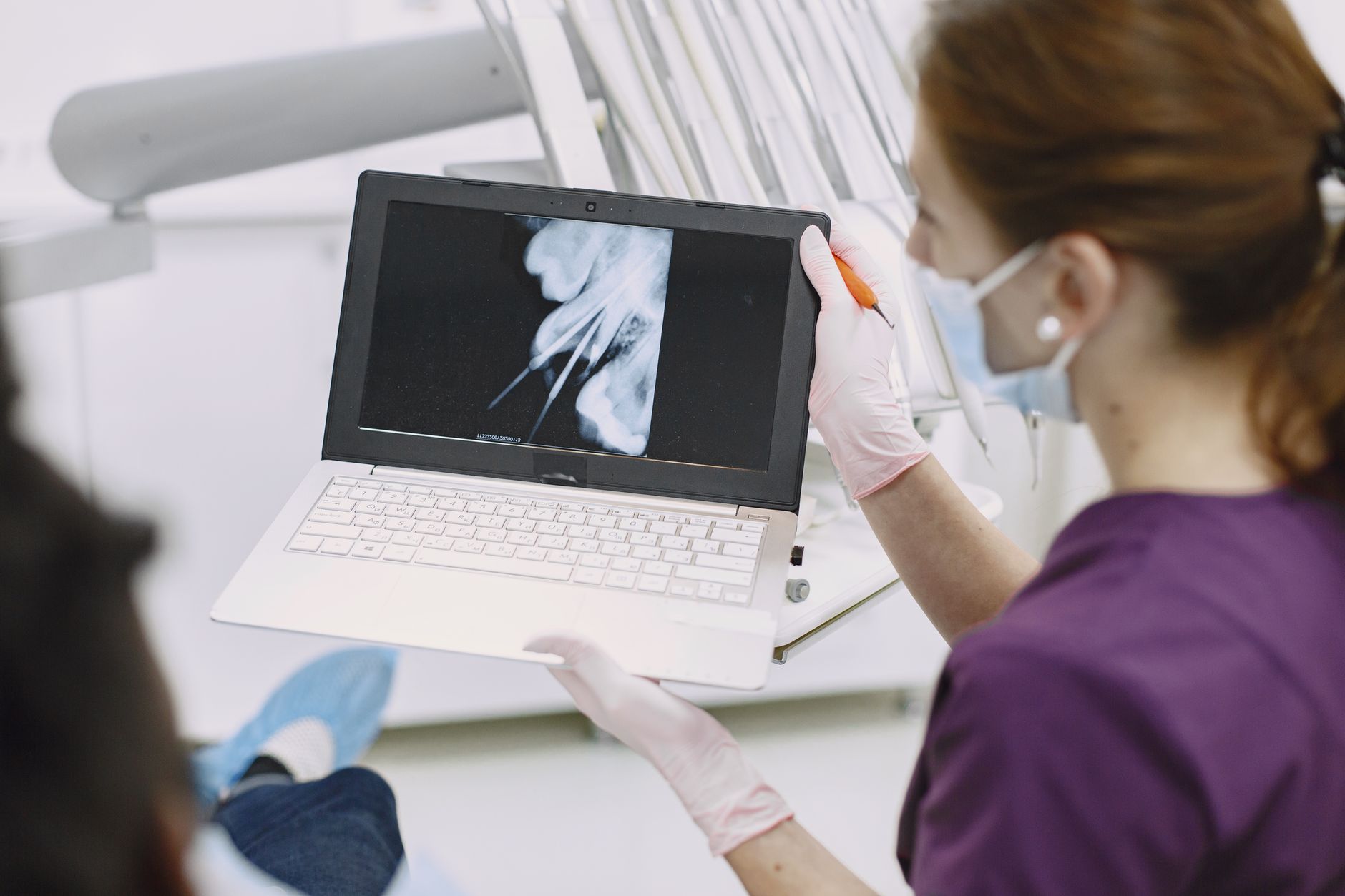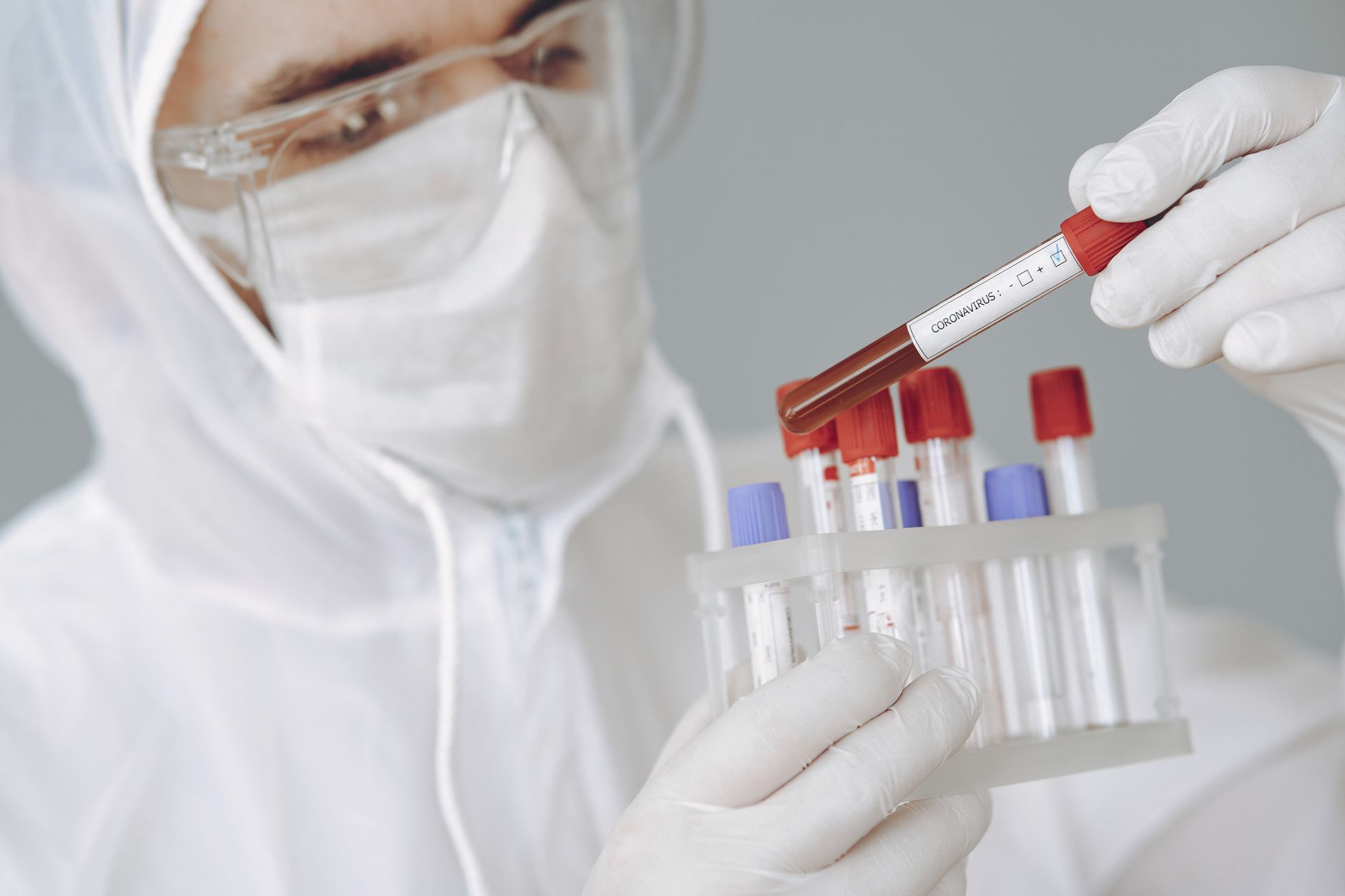
Hospital-acquired infections, also known as healthcare-associated infections or nosocomial infections, represent a significant public health concern worldwide. The recent parliamentary disclosure that India lacks a central database to monitor such infections highlights a critical gap in the country's healthcare surveillance infrastructure.
What Are Hospital-Acquired Infections
Hospital-acquired infections are infections that patients develop during their stay in a hospital or healthcare facility, which were not present or incubating at the time of admission. These infections typically manifest 48 hours or more after admission and can include bloodstream infections, urinary tract infections, surgical site infections, and pneumonia.
Common culprits include bacteria like Staphylococcus aureus, E. coli, and increasingly, antibiotic-resistant organisms such as MRSA (Methicillin-resistant Staphylococcus aureus). Patients with weakened immune systems, those undergoing invasive procedures, or individuals on prolonged hospital stays face higher risk.
Why Tracking Matters
A centralised database for hospital-acquired infections serves multiple critical purposes in modern healthcare systems. Such systems enable health authorities to identify patterns, track outbreaks, and implement timely interventions to protect patients.
Countries with robust surveillance systems can quickly identify which hospitals or regions experience higher infection rates, allowing targeted support and resources. This data proves invaluable for establishing benchmarks, setting standards, and holding healthcare facilities accountable for infection control measures.
Without systematic tracking, it becomes nearly impossible to gauge the true scale of the problem. Hospitals may underreport infections, and patterns that could indicate systemic issues in equipment sterilisation, antibiotic use, or hygiene protocols remain undetected.
The Current Situation in India
India's healthcare system comprises thousands of public and private hospitals, ranging from small district facilities to large tertiary care centres. The absence of mandatory, standardised reporting means each institution may follow different protocols for identifying and documenting infections.
Some premier institutions maintain internal surveillance systems and follow international protocols for infection control. However, this varies dramatically across facilities, with many smaller hospitals lacking dedicated infection control teams or proper tracking mechanisms.
The National Centre for Disease Control and various state health departments monitor certain communicable diseases, but hospital-acquired infections often fall outside these reporting requirements. This fragmented approach makes it difficult to develop evidence-based policies or allocate resources effectively.
International Standards and Practices
Many developed nations mandate reporting of hospital-acquired infections through centralised surveillance systems. The United States operates the National Healthcare Safety Network, which tracks infections across thousands of facilities. European countries similarly maintain robust surveillance programmes.
These systems typically require hospitals to report specific types of infections using standardised definitions and diagnostic criteria. The data helps healthcare providers compare their performance against national benchmarks and identify areas for improvement.
Countries with established tracking systems have successfully reduced infection rates through targeted interventions, protocol improvements, and public reporting that incentivises hospitals to maintain high standards.
Implications for Patients
For patients and their families, the absence of transparent infection data makes informed decision-making difficult. When choosing where to receive treatment, especially for major surgeries or prolonged care, infection rates represent a crucial quality indicator.
Hospital-acquired infections can lead to extended hospital stays, additional treatments, increased healthcare costs, and in severe cases, permanent disability or death. The economic burden on families dealing with such complications can be substantial, particularly in a country where out-of-pocket healthcare expenses remain high.
Steps Toward Better Surveillance
Establishing a national database would require several components: standardised definitions for different infection types, mandatory reporting protocols, trained infection control personnel at hospitals, digital infrastructure for data collection, and regular audits to ensure compliance.
The initiative would need coordination between the Ministry of Health, state health departments, medical associations, and individual healthcare facilities. Investment in training programmes for healthcare workers on infection prevention and surveillance would be essential.
Some states and hospital networks have begun implementing their own tracking systems, which could serve as models for national expansion. Leveraging technology and digital health platforms could streamline data collection and analysis.
The Path Forward
Building a comprehensive surveillance system represents a significant undertaking but remains essential for improving patient safety standards across India's diverse healthcare landscape. Such infrastructure would not only track infections but also monitor antibiotic resistance patterns, helping address the growing crisis of antimicrobial resistance.
As India continues developing its healthcare infrastructure and working toward universal health coverage, systematic monitoring of hospital-acquired infections should be considered a fundamental component of quality healthcare delivery.
This article is for general informational purposes only and does not constitute medical advice. Patients should consult healthcare professionals for specific medical concerns and treatment decisions.