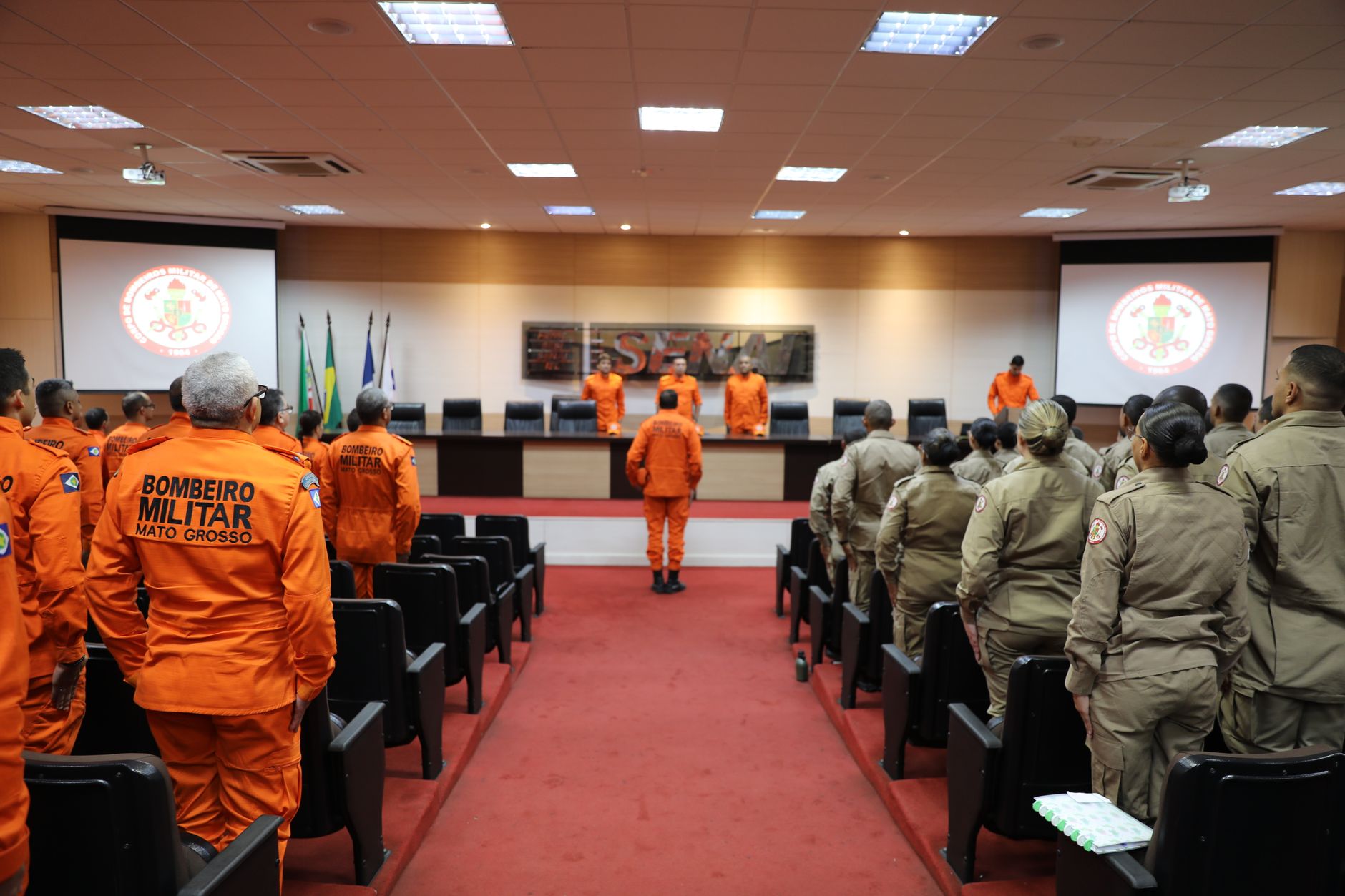
A significant initiative to improve public awareness and media coverage of childhood non-communicable diseases (NCDs) has concluded in India, bringing together journalists, health experts, and policymakers. The collaborative workshop organized by UNICEF India, Press Information Bureau (PIB) Western Zone, and All India Institute of Medical Sciences (AIIMS) Nagpur marks an important step in addressing a growing health concern that often receives insufficient attention in mainstream media.
Understanding Childhood NCDs
Non-communicable diseases in children represent a rapidly growing public health challenge in India. Unlike infectious diseases, NCDs are not passed from person to person and typically develop over time due to a combination of genetic, environmental, and lifestyle factors.
Common childhood NCDs include:
- Type 1 and Type 2 diabetes
- Asthma and chronic respiratory conditions
- Congenital heart defects
- Childhood cancers
- Obesity and metabolic disorders
- Mental health conditions including depression and anxiety
- Birth defects and genetic disorders
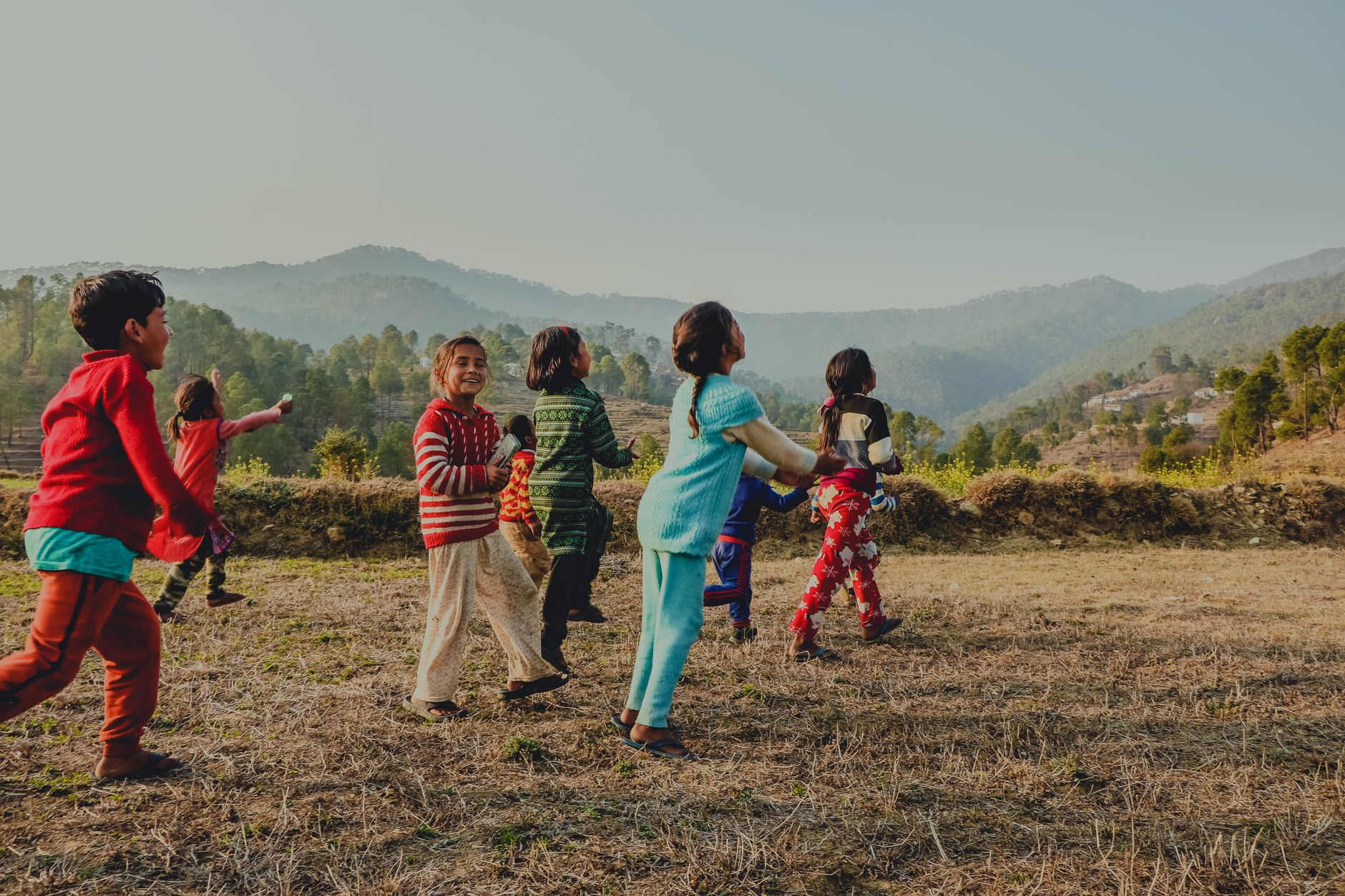
The burden of childhood NCDs in India has been rising steadily over the past two decades, driven by changing lifestyles, environmental factors, and improved detection methods. According to various health surveys, conditions like childhood obesity, asthma, and early-onset diabetes are becoming increasingly prevalent among Indian children across urban and rural settings.
Why Media Training Matters
Journalists play a crucial role in shaping public discourse around health issues. However, reporting on childhood NCDs presents unique challenges. These conditions often involve complex medical terminology, require understanding of long-term health implications, and demand sensitivity when covering stories involving children and families.
The workshop aimed to equip media professionals with:
- Scientific understanding of various childhood NCDs
- Skills to translate complex medical information into accessible content
- Ethical guidelines for reporting on children's health issues
- Knowledge of available treatment options and support systems
- Understanding of prevention strategies and public health policies
The Growing NCD Challenge in India
India's health landscape has been undergoing a significant epidemiological transition. While the country continues to battle infectious diseases, the rising tide of NCDs among all age groups, including children, demands urgent attention and resources.
Several factors contribute to this trend. Rapid urbanization has led to sedentary lifestyles and reduced physical activity among children. Dietary patterns have shifted toward processed foods high in sugar, salt, and unhealthy fats. Environmental pollution, particularly air quality in major cities, has been linked to respiratory conditions and other health problems. Additionally, increased screen time and academic pressure contribute to mental health challenges and reduced outdoor play.
Role of Collaborative Initiatives
The partnership between UNICEF India, PIB Western Zone, and AIIMS Nagpur represents a multi-stakeholder approach to tackling childhood NCDs. UNICEF brings its global expertise in child health and advocacy, PIB facilitates government communication and outreach, while AIIMS Nagpur provides clinical and research perspectives.
Such collaborations are essential because addressing childhood NCDs requires action across multiple sectors. Healthcare providers must diagnose and treat conditions effectively. Policymakers need to create supportive environments through regulations on food marketing, school health programs, and pollution control. Media professionals must raise awareness and hold stakeholders accountable. Parents and communities require accurate information to make informed decisions about children's health.
Prevention and Early Detection
Most childhood NCDs are preventable or their impact can be significantly reduced through early detection and intervention. Public awareness campaigns, when properly executed by informed media, can encourage parents to recognize warning signs, seek timely medical care, and adopt healthier lifestyles for their families.
Schools serve as important settings for NCD prevention through health education, regular health screenings, promotion of physical activity, and provision of nutritious meals. Media coverage can highlight successful school-based interventions and advocate for their expansion.
Moving Forward
As India works toward achieving its health targets and sustainable development goals, addressing childhood NCDs must become a national priority. Well-informed media reporting can accelerate progress by keeping these issues in public consciousness, sharing evidence-based solutions, and giving voice to affected families.
The workshop represents an investment in building a more health-literate society where accurate, compassionate, and impactful reporting on childhood health issues becomes the norm rather than the exception.
This article is for general informational purposes only and should not be considered medical advice. Parents and caregivers should consult qualified healthcare professionals for diagnosis, treatment, and management of any health conditions affecting children.