India has taken a major step forward in public health by approving QDENGA, the country's first dengue vaccine. This landmark decision provides a new tool in the fight against dengue fever, a mosquito-borne viral infection that poses a significant health burden across the nation, particularly during monsoon seasons.
Understanding Dengue Fever
Dengue is transmitted primarily by Aedes aegypti mosquitoes and affects millions of people in India each year. The disease presents with symptoms including high fever, severe headache, pain behind the eyes, joint and muscle pain, and skin rash. While most cases are mild, severe dengue can lead to serious complications such as dengue hemorrhagic fever or dengue shock syndrome, which can be life-threatening.
India reports hundreds of thousands of dengue cases annually, with numbers typically spiking during and after the monsoon season when mosquito breeding increases. The disease places considerable strain on healthcare systems and results in significant economic losses due to medical expenses and lost productivity.
About QDENGA Vaccine
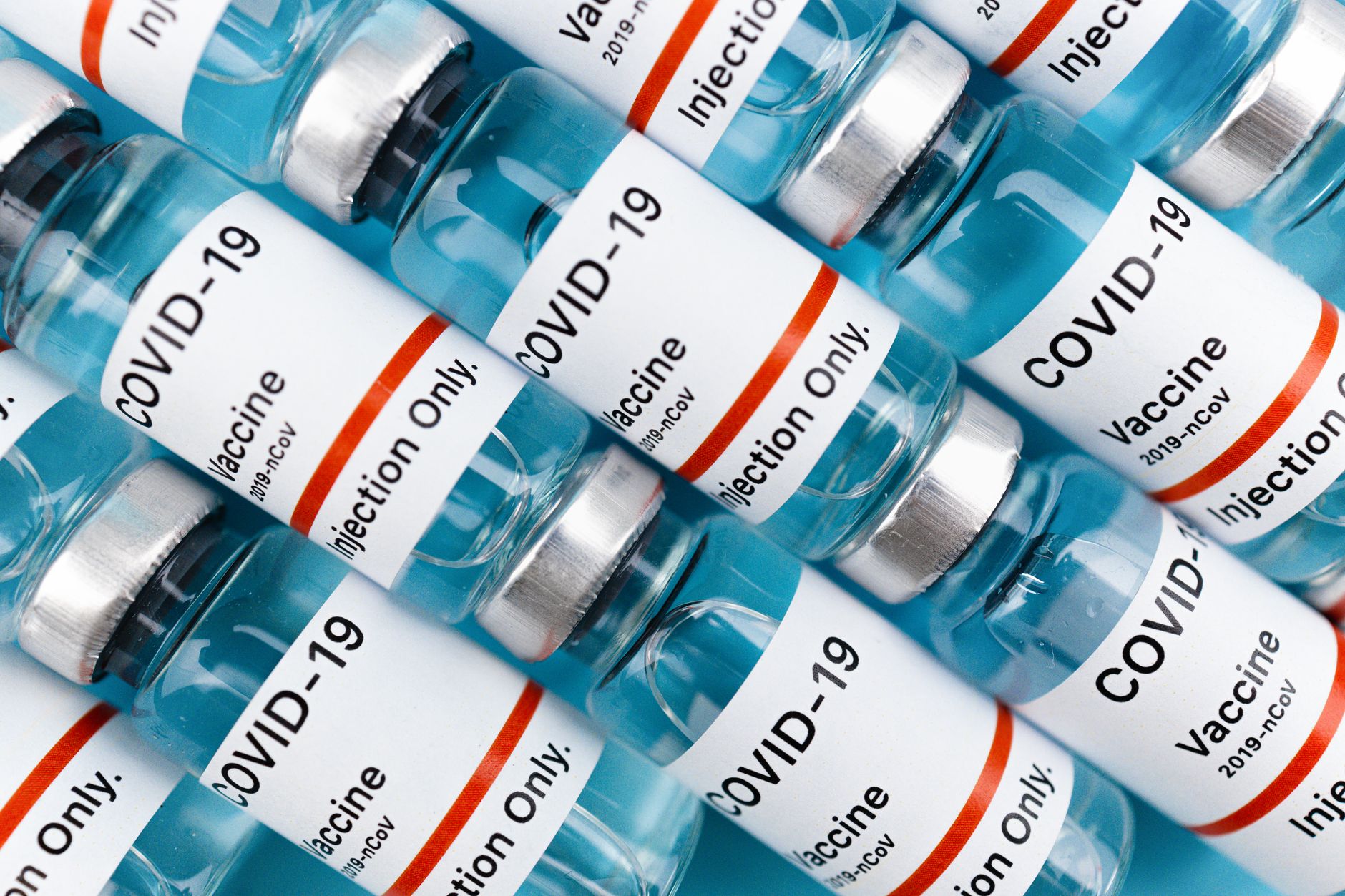
QDENGA is a live-attenuated vaccine, meaning it contains weakened forms of the dengue virus that cannot cause disease but can trigger an immune response. The vaccine is designed to protect against all four serotypes of the dengue virus (DEN-1, DEN-2, DEN-3, and DEN-4). This comprehensive coverage is crucial because infection with one serotype does not provide immunity against the others, and subsequent infections with different serotypes can actually increase the risk of severe disease.
The vaccine is administered in a two-dose schedule, with the second dose given three months after the first. This regimen has been designed to optimize immune protection across all age groups within the approved range.
Who Can Receive the Vaccine
The approval covers individuals aged 4 to 60 years, encompassing children, adolescents, and adults who are most vulnerable to dengue infection. This age range reflects the population groups that face the highest disease burden and can benefit most from vaccination.
The vaccine is particularly significant for people living in dengue-endemic areas, where exposure risk is consistently high throughout the year or during seasonal outbreaks. Urban and semi-urban populations, where Aedes mosquitoes thrive in stored water containers and other breeding sites, stand to benefit considerably.
Implications for Public Health
The approval of QDENGA represents a complementary strategy to existing dengue prevention measures. Traditional control methods focus on mosquito elimination through source reduction, insecticide spraying, and community awareness programs. While these remain essential, they have not been sufficient to eliminate dengue transmission.
Vaccination adds an individual-level protection mechanism that can reduce disease incidence, severity, and mortality. For families with children in high-risk areas, the vaccine offers peace of mind and protection against a disease that frequently leads to hospitalization and can be fatal in severe cases.
Global Context
QDENGA has already received regulatory approval in several countries across Europe, Latin America, and Asia. India's approval aligns the country with global efforts to combat dengue through immunization. The vaccine's performance in real-world settings across different countries will continue to inform its use and effectiveness.
Availability and Access
Following regulatory approval, the vaccine will need to undergo processes related to pricing, distribution, and inclusion in vaccination programs. The timeline for widespread availability will depend on manufacturing capacity, supply chain logistics, and decisions by health authorities regarding public versus private sector distribution.
Parents and individuals interested in the vaccine should consult healthcare providers for guidance on whether vaccination is appropriate for their specific circumstances, particularly if they have underlying health conditions or live in areas with varying dengue transmission patterns.
Moving Forward
While the vaccine approval is promising, experts emphasize that it should complement, not replace, mosquito control measures. Preventing mosquito breeding by eliminating standing water, using mosquito nets and repellents, and wearing protective clothing remain important preventive strategies.
The combination of vaccination and environmental control offers the best approach to reducing India's dengue burden and protecting vulnerable populations from this debilitating disease.
This article is for general informational purposes only and does not constitute medical advice. Individuals should consult qualified healthcare professionals for personalized recommendations regarding dengue vaccination and disease prevention.