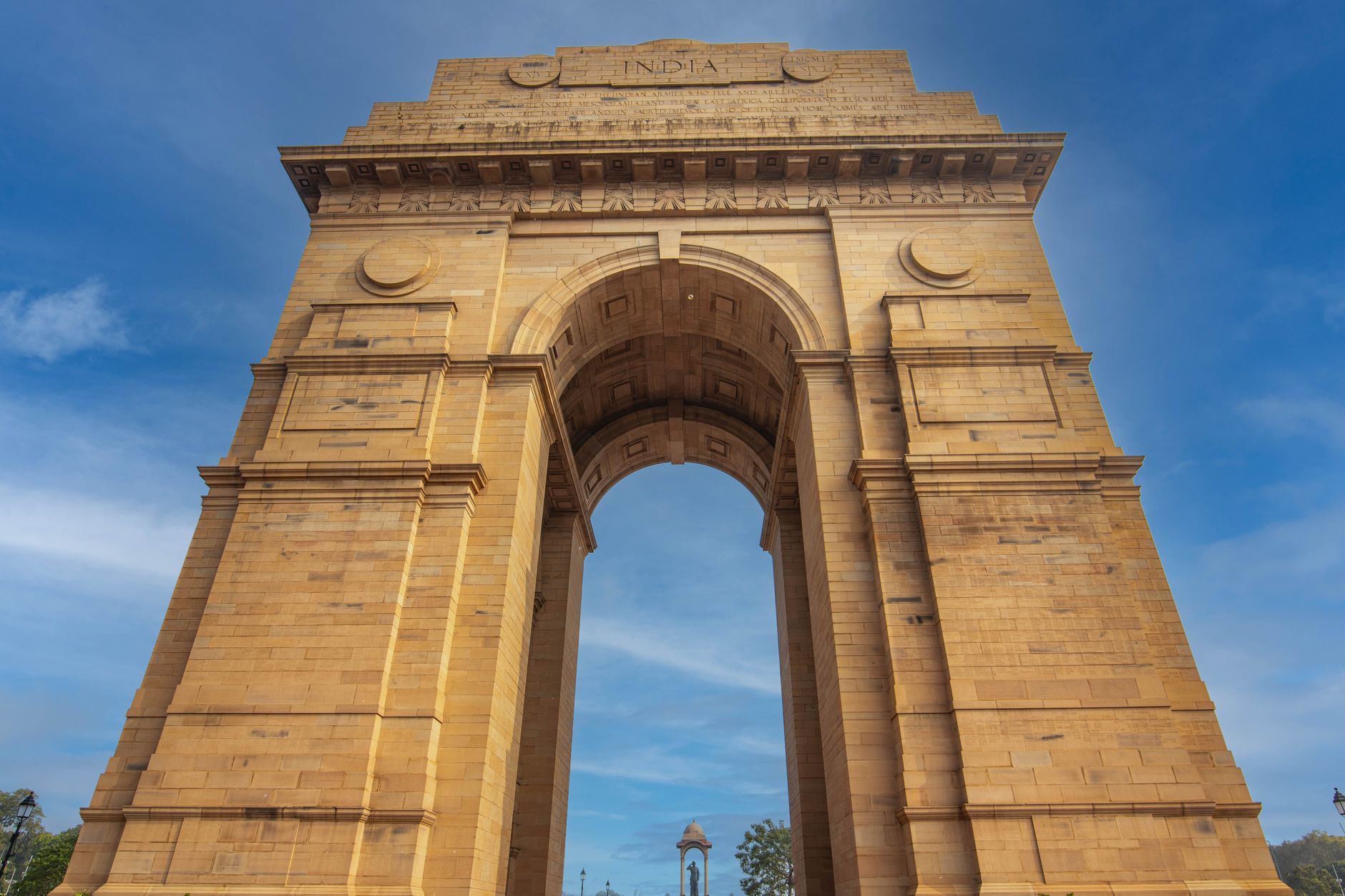
India stands at the cusp of a tourism revolution that could reshape its economic landscape and global positioning. With its rich cultural heritage, diverse geography, and growing infrastructure, the country has all the ingredients to become a tourism powerhouse that rivals established destinations worldwide.
The Current State of Indian Tourism
Despite being home to 40 UNESCO World Heritage Sites, India captures only a small fraction of global tourism revenue. The sector currently contributes approximately 6-7 percent to the nation's GDP and employs millions across hospitality, transport, and allied services. However, this represents just a fraction of its true potential when compared to countries like Thailand or Spain, where tourism accounts for 15-20 percent of GDP.
The pandemic dealt a severe blow to the industry, but recovery has been swift. Domestic tourism has bounced back strongly, with Indians increasingly exploring their own country. International arrivals are also climbing, though they remain below pre-pandemic peaks. This recovery phase presents an ideal moment to reimagine and restructure the sector for exponential growth.
Economic Benefits Beyond Direct Revenue
Tourism's economic impact extends far beyond hotel bookings and ticket sales. The sector creates a multiplier effect throughout the economy, supporting small businesses, artisans, and local communities. When a tourist visits Rajasthan, they don't just pay for accommodation—they purchase handicrafts, eat at local restaurants, hire guides, and use transportation services, creating a ripple effect of economic activity.
The job creation potential is particularly significant for a young nation like India. Tourism is labor-intensive and requires workers across skill levels, from hotel management professionals to local guides and drivers. With proper training programs, the sector can absorb millions of young Indians entering the workforce annually, particularly in tier-2 and tier-3 cities where traditional industries may be limited.
Infrastructure as the Foundation
India's infrastructure gap has long been a barrier to tourism growth. However, recent investments are changing this narrative. The expansion of airports, including those in smaller cities, has improved connectivity dramatically. The development of expressways, coastal roads, and mountain highways is making previously inaccessible destinations reachable.
The push for improved sanitation facilities, clean public spaces, and better accommodation options in tourist areas reflects a growing recognition that infrastructure quality directly correlates with tourism revenue. Initiatives like Swachh Bharat have visible impacts on tourist perceptions and experiences.
Untapped Segments and Opportunities
India has barely scratched the surface of niche tourism markets. Medical tourism is already generating billions, with patients from across the world seeking quality healthcare at competitive prices. Wellness tourism, leveraging India's yoga and Ayurveda heritage, represents another growth avenue as global interest in holistic health increases.
Adventure tourism in the Himalayas, coastal water sports in Goa and Andaman, and wildlife safaris in national parks appeal to younger, experience-seeking travelers. Spiritual tourism, beyond traditional pilgrimage circuits, attracts seekers from around the world. Heritage walks, culinary tours, and rural tourism experiences offer authentic encounters that modern travelers increasingly value.
Policy Reforms and Digital Integration
Simplifying visa processes has already shown results, with e-visa facilities making India more accessible. Further liberalization, including visa-on-arrival for more countries and longer-duration tourist visas, could boost arrivals significantly.
Digital integration is transforming the tourist experience. From online bookings and digital payments to virtual guides and AI-powered trip planning, technology makes travel more convenient and personalized. Indian companies are developing innovative solutions that can enhance both domestic and international tourist experiences.
Sustainability and Community Involvement
Sustainable tourism practices ensure long-term viability while preserving India's natural and cultural assets. Community-based tourism models that involve local populations in decision-making and revenue sharing create more authentic experiences while ensuring economic benefits reach grassroots levels.
Protecting fragile ecosystems, managing tourist footfall at sensitive sites, and promoting responsible travel behaviors are essential for maintaining the very attractions that draw visitors. Several Indian states are pioneering sustainable tourism models that balance economic development with environmental conservation.
The Path Forward
Unlocking tourism's potential requires coordinated efforts across government, private sector, and communities. Investments in infrastructure must continue, but equally important are soft interventions—training programs, service quality standards, and marketing campaigns that position India as a must-visit destination.
With strategic planning and sustained commitment, tourism can indeed propel India toward new economic milestones, creating prosperity while showcasing the nation's incredible diversity to the world.