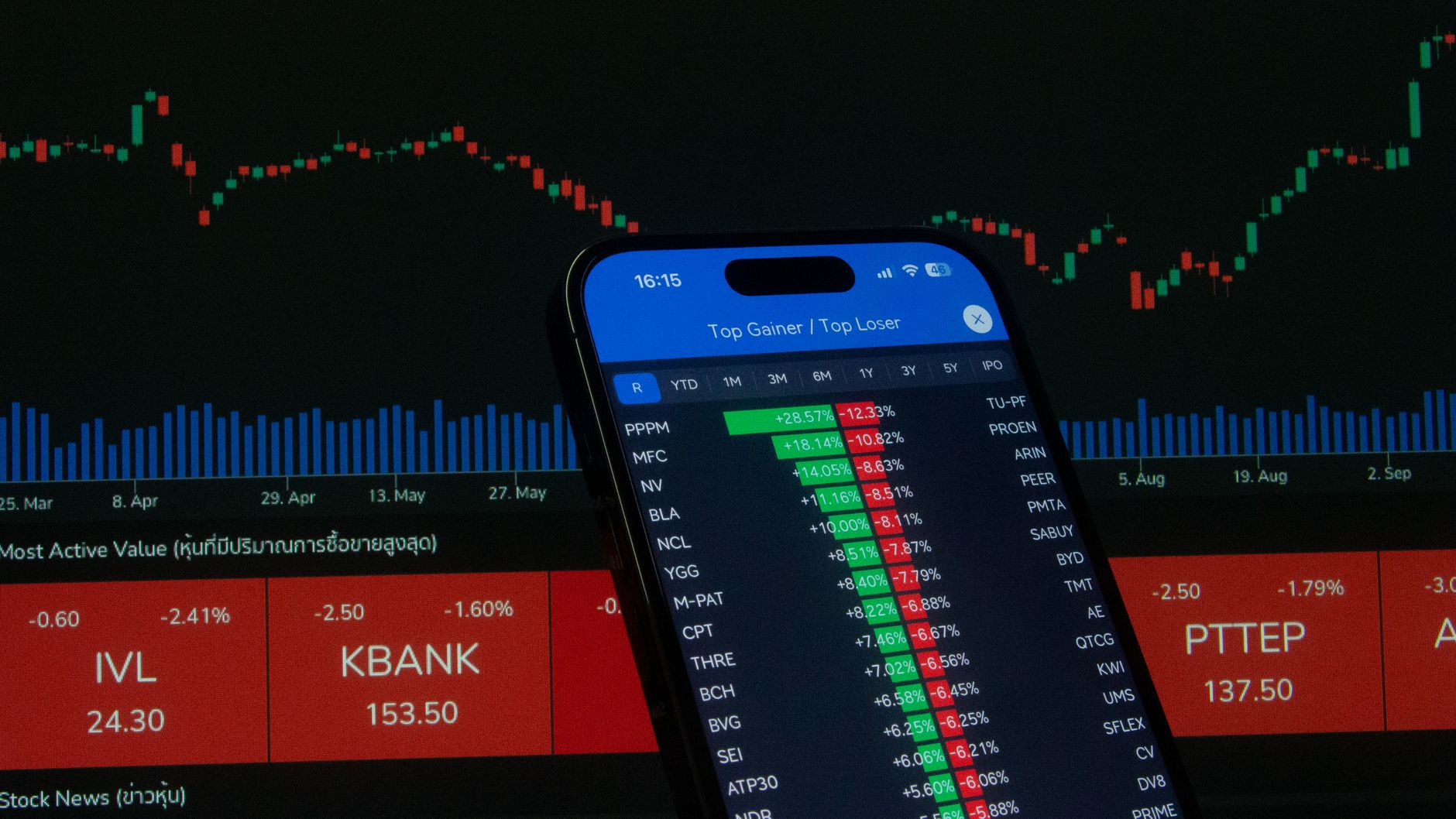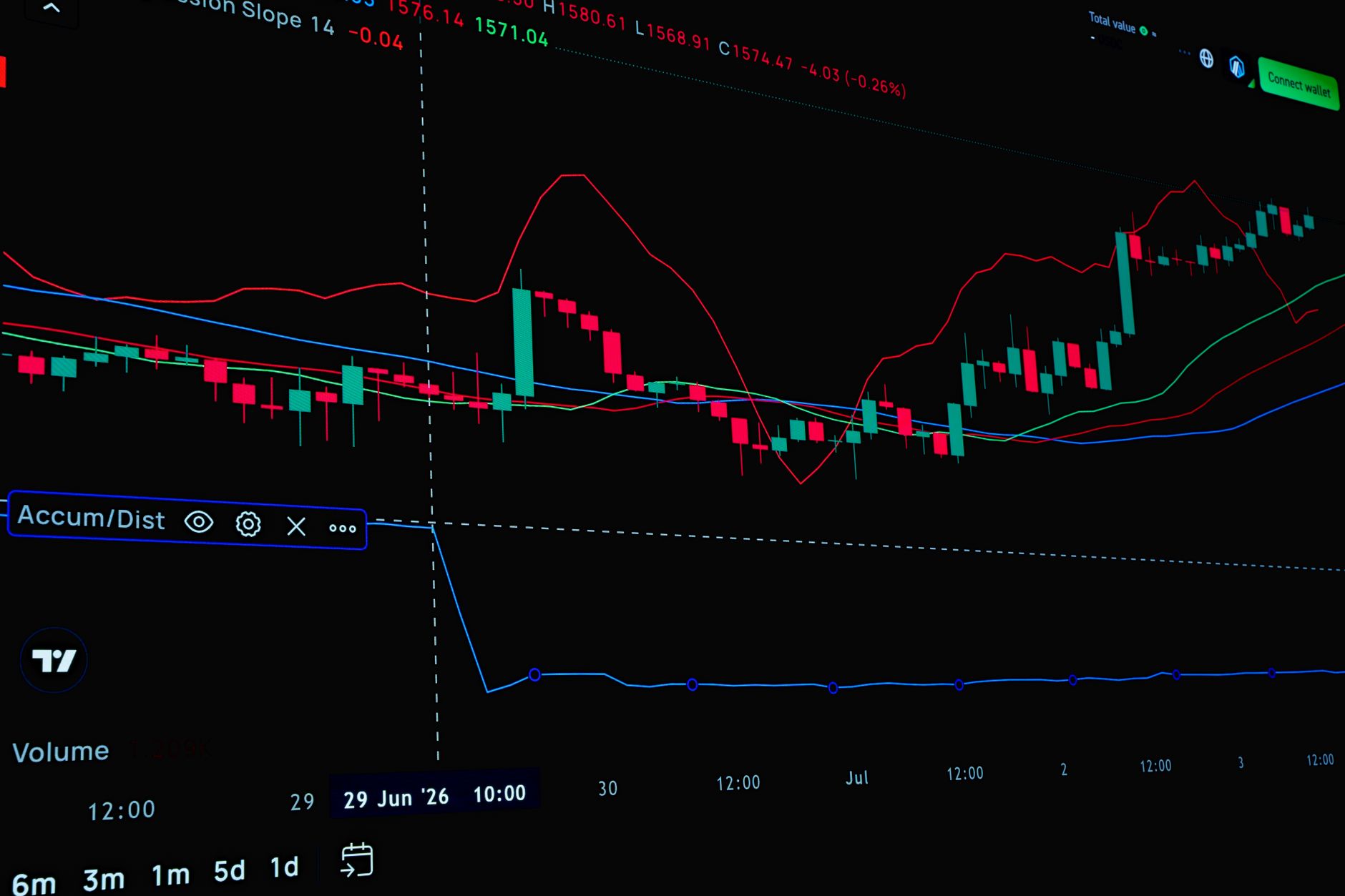
The allure of investing in global giants like Apple, Microsoft, Amazon, and Tesla has drawn increasing numbers of Indian investors toward the US stock market. With the Indian rupee's performance against the dollar and the promise of portfolio diversification, the interest in American equities continues to grow. However, investing across borders comes with its own set of procedures, benefits, and pitfalls that every investor must understand.
Routes for Indians to Invest in US Stocks
Indian residents have several legitimate pathways to invest in American equities. The most straightforward method is through the Liberalised Remittance Scheme (LRS), which allows individuals to remit up to USD 250,000 per financial year for permitted transactions, including investments in overseas securities.
Investors can open international trading accounts with Indian brokers who have tie-ups with foreign brokers or directly with US-based brokerage platforms that accept Indian clients. Many Indian fintech platforms now offer seamless access to US markets, handling the currency conversion and compliance requirements on behalf of investors.
Another route involves investing in Indian mutual funds that focus on international equities or US markets specifically. These funds pool money from multiple investors and invest in foreign stocks, eliminating the need for individual investors to handle foreign exchange transactions or direct overseas account opening.
Additionally, Exchange Traded Funds (ETFs) listed on Indian stock exchanges that track US indices provide indirect exposure to American markets without the complexity of international transactions.
Key Benefits of US Market Exposure
Diversification stands as the primary advantage of investing in US stocks. The American market offers exposure to sectors and companies that may not have equivalent representation in India, including dominant technology platforms, innovative biotechnology firms, and global consumer brands.
The depth and liquidity of US markets surpass most global exchanges, ensuring that investors can enter and exit positions with relative ease. The regulatory framework in the United States, overseen by the Securities and Exchange Commission, provides robust investor protection mechanisms.
Currency appreciation potential adds another dimension to returns. When the dollar strengthens against the rupee, investors gain not only from stock price appreciation but also from favorable currency movements.
US markets also provide access to cutting-edge innovation and companies at the forefront of technological advancement, offering growth potential that may outpace domestic opportunities.
Risks to Consider
Currency risk works both ways—while a strengthening dollar benefits investors, a weakening dollar erodes returns when converted back to rupees. This volatility adds an unpredictable element to investment outcomes.
Regulatory and compliance requirements can be complex. Investors must navigate both Indian and US regulations, including filing requirements and documentation standards that differ significantly from domestic investing.
Time zone differences mean that US market hours coincide with late evening and night time in India, potentially making it difficult for investors to monitor positions or react to market movements in real-time.
Tax complexity increases substantially with international investments, requiring careful record-keeping and understanding of tax treaties between nations.
Tax Implications for Indian Investors
Taxation on US stock investments for Indian residents involves considerations in both countries. In the US, dividend income is typically subject to a withholding tax of 25%, though the India-US tax treaty reduces this to 15% for those who submit the appropriate forms.
Capital gains from US stocks are taxable in India. Short-term capital gains (for holdings under 24 months) are added to your total income and taxed according to your applicable income tax slab. Long-term capital gains (holdings exceeding 24 months) are taxed at 20% with indexation benefits.
Investors must report their foreign assets in their income tax returns through the Schedule FA (Foreign Assets). Additionally, transactions under the LRS require TCS (Tax Collected at Source) deductions, currently set at specific rates that the remitting bank collects.
The Foreign Account Tax Compliance Act (FATCA) and Common Reporting Standard (CRS) requirements mean that information about foreign holdings may be shared between tax authorities, making compliance essential.
Making Informed Decisions
Before investing in US stocks, assess your risk appetite, investment horizon, and understanding of international markets. Start with small allocations to gauge your comfort level with currency fluctuations and foreign market dynamics.
Consider consulting with a tax advisor familiar with international taxation to ensure proper compliance and tax planning. Maintain detailed records of all transactions, including purchase prices, dates, currency conversion rates, and any taxes paid abroad.
This article provides general information only and should not be construed as financial, tax, or investment advice. Investors should consult qualified professionals regarding their specific circumstances before making investment decisions.