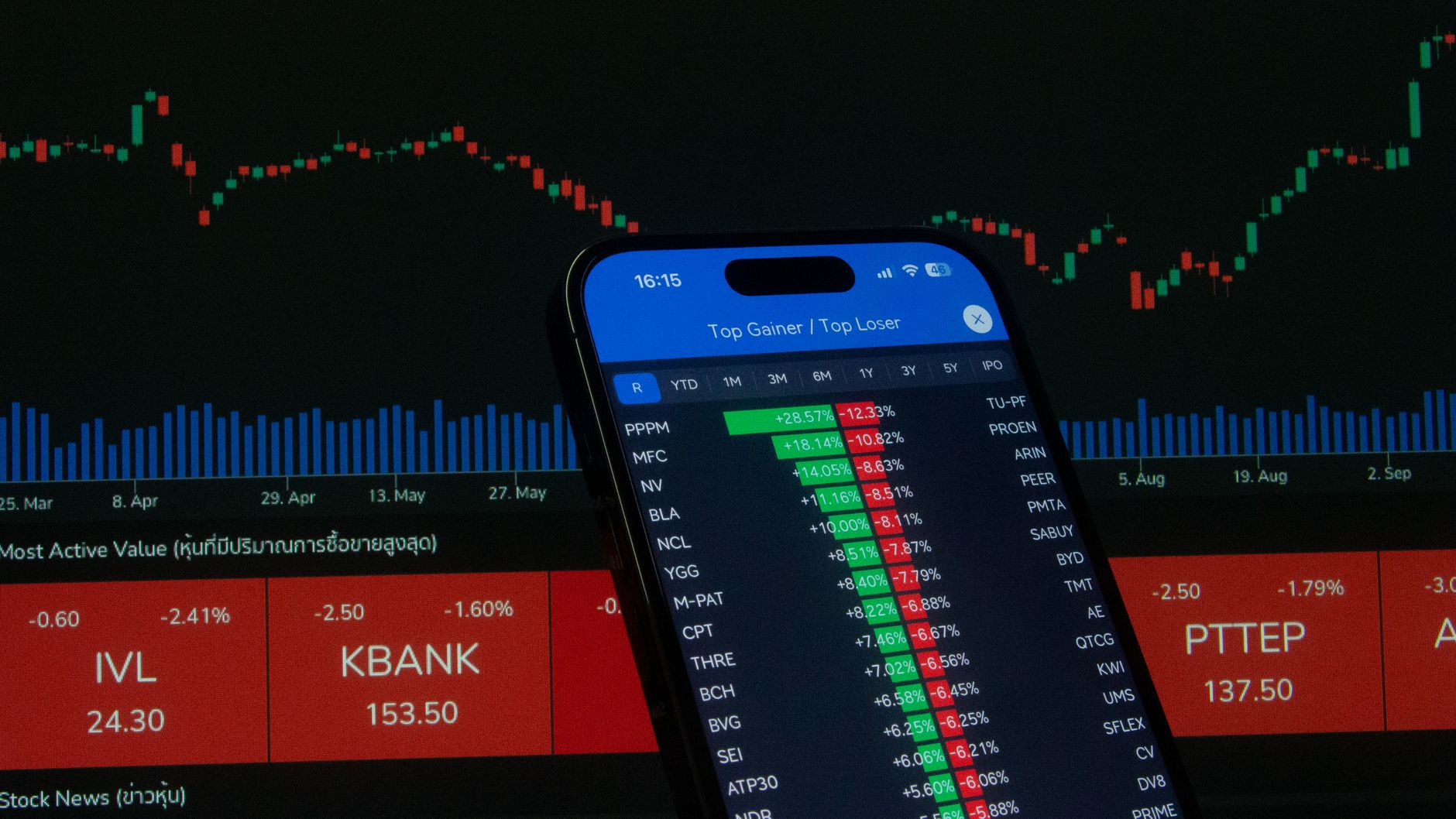
Indian stock markets have witnessed a remarkable transformation in recent years, with domestic investors emerging as the backbone of market stability. Recent comments from stock exchange leadership highlight how retail and institutional investors within India have become a crucial force in preventing significant market downturns, marking a dramatic shift in the country's investment ecosystem.
The Changing Face of Indian Markets
Historically, Indian equity markets were heavily influenced by foreign institutional investors (FIIs), whose buying and selling patterns could trigger substantial volatility. When global sentiment turned negative or when FIIs repatriated funds, Indian markets would experience sharp corrections. However, the past few years have witnessed a fundamental change in this dynamic.
Domestic investors, comprising retail traders, mutual fund participants, and Indian institutional investors, have grown substantially in both numbers and financial heft. This growth has created a natural buffer against foreign fund outflows, providing much-needed stability during periods of global uncertainty.
Why Domestic Investors Matter Now
The surge in domestic participation can be attributed to several factors. The proliferation of discount brokerages and user-friendly trading apps has democratized market access. Today, opening a demat account takes minutes, and investing in stocks or mutual funds requires minimal documentation.
Additionally, systematic investment plans (SIPs) in mutual funds have cultivated a disciplined investment culture among middle-class Indians. Monthly SIP inflows have consistently remained strong, even during market corrections, providing steady liquidity to the markets.
The COVID-19 pandemic accelerated this trend as locked-down Indians explored investment opportunities online. With interest rates on traditional savings instruments hitting historic lows, equity markets became an attractive alternative for wealth creation.
The Numbers Tell the Story
India's investor base has expanded dramatically. The number of demat accounts has more than doubled in recent years, crossing 150 million. Monthly SIP contributions have reached record levels, demonstrating sustained retail interest in equity investments.
When foreign investors pulled out significant capital during various global crises—whether due to US Federal Reserve rate hikes, geopolitical tensions, or economic slowdowns—domestic investors stepped in as buyers. This "buying the dip" mentality among Indian investors has prevented the sharp, prolonged declines that characterized earlier market cycles.
What This Means for Market Dynamics
The rise of domestic investors has several implications for Indian markets:
- Reduced volatility during global uncertainties
- Greater resilience against foreign fund flow reversals
- More stable long-term market trajectory aligned with India's economic growth
- Increased retail participation in primary market offerings and IPOs
- Growing sophistication among retail investors in stock selection and portfolio management
Challenges and Considerations
While domestic investor participation is overwhelmingly positive, it presents certain challenges. Market experts caution that many new investors entered markets during the bull run and may lack experience in navigating prolonged bear markets. Financial literacy remains crucial to ensure investors make informed decisions rather than speculative bets.
Regulators have emphasized investor protection and education initiatives to ensure this growing investor base remains engaged and educated. The Securities and Exchange Board of India (SEBI) has introduced various measures to safeguard retail investor interests while maintaining market integrity.
The Road Ahead
The structural shift toward domestic-led markets appears sustainable. Rising income levels, increasing financial awareness, and the inadequacy of traditional savings instruments to beat inflation are likely to keep pushing Indians toward equity investments.
However, the test of this new market structure will come during a severe economic downturn or prolonged bear market. Whether domestic investors maintain their conviction during extended periods of negative returns will determine the true strength of this transformation.
Corporate governance improvements, better disclosure norms, and a growing track record of wealth creation through equities have built trust among domestic investors. This trust, combined with India's long-term growth potential, suggests that the domestic investment story is just beginning.
The evolution from foreign-dependent to domestically-anchored markets represents a coming of age for Indian capital markets. As the exchange leadership notes, this shift has not only prevented market freefall but has also created a more stable foundation for future growth.
Disclaimer
This article is for informational purposes only and should not be construed as investment advice. Market investments are subject to risks, and past performance does not guarantee future returns. Readers should conduct their own research or consult with qualified financial advisors before making investment decisions.