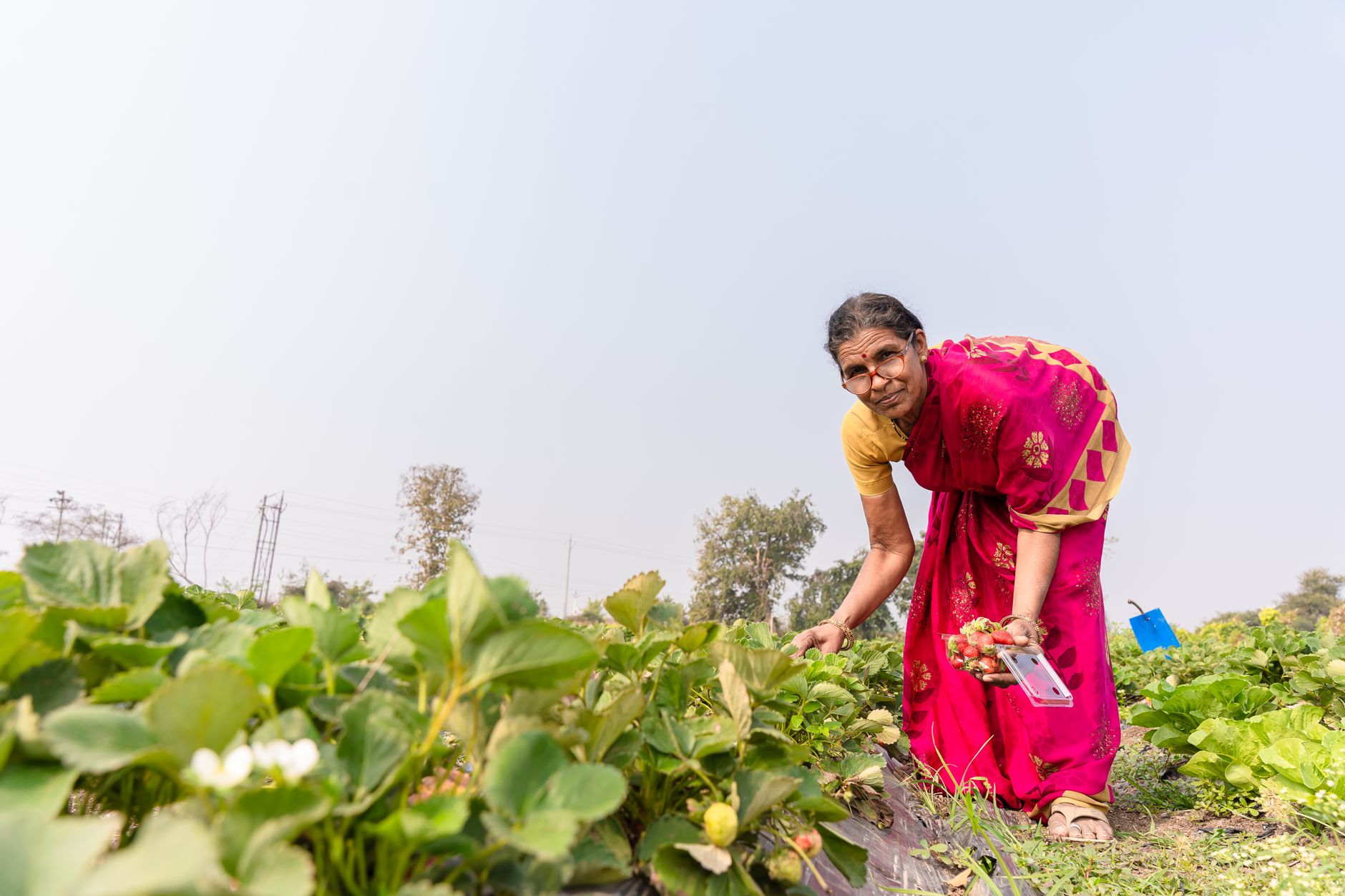
India's agricultural sector faces a silent crisis that threatens long-term food security: deteriorating soil health. After decades of intensive cultivation, excessive chemical fertilizer use, and monocropping, farmlands across the country show alarming signs of nutrient depletion, reduced organic carbon content, and declining productivity. Recognizing this challenge, India has launched comprehensive programs that blend traditional wisdom with modern science to restore and maintain soil vitality.
The Soil Health Crisis in Indian Agriculture
Soil is far more than just dirt beneath our feet. It is a living ecosystem teeming with microorganisms, minerals, and organic matter that sustains plant life. Healthy soil retains water efficiently, provides essential nutrients, and supports robust crop growth. However, India's Green Revolution, while dramatically increasing food production, came with unintended consequences.
The widespread adoption of high-yielding crop varieties required heavy applications of chemical fertilizers and pesticides. Over time, this practice disrupted soil microbiology, reduced earthworm populations, and caused nutrient imbalances. Excessive nitrogen application led to acidification in some regions, while continuous flooding in rice paddies created anaerobic conditions harmful to soil structure. Studies indicate that significant portions of Indian agricultural land now suffer from deficiencies in micronutrients like zinc, iron, and boron.
Soil Health Card Scheme: Knowledge is Power
One of India's flagship initiatives is the Soil Health Card scheme, launched nationwide to provide farmers with detailed information about their land. Under this program, soil samples are collected from farms across the country and analyzed at testing laboratories for twelve parameters, including pH levels, organic carbon, and major nutrients like nitrogen, phosphorus, and potassium.
Farmers receive personalized soil health cards every two years, containing specific recommendations for fertilizer application tailored to their soil conditions and intended crops. This data-driven approach helps farmers optimize input costs while improving yields. Rather than applying fertilizers blindly or following generic advice, cultivators can now make informed decisions based on scientific analysis of their specific plots.
The scheme has processed millions of soil samples, creating a massive database that helps policymakers understand regional soil health patterns and design targeted interventions.
Organic and Natural Farming Movements
Parallel to technological interventions, India is witnessing a revival of organic and natural farming practices that prioritize soil biology over chemical inputs. Techniques like vermicomposting, green manuring, and crop rotation are being promoted to restore organic matter content in soil.
The use of biofertilizers containing beneficial bacteria and fungi helps plants access nutrients more efficiently. Farmers are encouraged to apply farm yard manure, compost, and other organic amendments that feed soil microorganisms and improve soil structure. These practices not only enhance soil health but also reduce dependence on expensive chemical inputs, improving farm economics.
Several states have launched natural farming programs that eliminate synthetic chemicals entirely, relying instead on locally available biological inputs. While yields may initially be lower during the transition period, long-term benefits include improved soil resilience, better water retention, and healthier crops with higher market value.
Technology-Driven Solutions
Modern technology is revolutionizing soil management in India. Remote sensing and satellite imagery help monitor soil moisture levels and identify degraded areas requiring attention. Mobile applications provide farmers with real-time advice on soil management practices suited to their location and crop type.
Precision agriculture tools, though still limited to larger farms, enable variable-rate fertilizer application based on soil conditions across different parts of a field. Drones equipped with sensors can assess crop health and soil conditions, allowing timely interventions.
Research institutions are developing soil amendments tailored to specific deficiency patterns found in different agro-climatic zones. Nano-fertilizers and slow-release formulations promise more efficient nutrient delivery with reduced environmental impact.
The Path Forward
Restoring soil health is not a one-time intervention but a continuous process requiring sustained commitment from farmers, government agencies, and the agricultural research community. Success depends on integrating scientific knowledge with practical farming realities and economic considerations.
Education and awareness remain crucial. Farmers need ongoing training to understand soil health principles and adopt recommended practices. Financial incentives and support systems can accelerate the transition to sustainable soil management.
As India works to feed a growing population while preserving natural resources, soil health stands at the center of agricultural sustainability. The combination of scientific testing, organic practices, and technological innovation offers a promising pathway to secure both farmland productivity and food security for future generations.