India's job market is witnessing a remarkable transformation as cities like Visakhapatnam, Surat, Coimbatore, Jaipur, and Indore emerge as significant employment hubs. This shift from traditional metropolitan centers like Mumbai, Delhi, and Bangalore to smaller cities represents a fundamental change in how businesses operate and where Indians find work.
The Economics Behind the Shift
The migration of jobs to non-metro cities is primarily driven by economic factors that benefit both employers and employees. Real estate costs in tier-2 and tier-3 cities are substantially lower than in metros, with commercial space often costing 40-60% less. This translates to significant savings for companies, especially in sectors like manufacturing, IT services, and business process outsourcing.
Additionally, operational costs including utilities, transportation, and support services are more affordable in these cities. For employees, the lower cost of living means their salaries stretch further, making positions in non-metros increasingly attractive despite potentially lower nominal wages compared to metro counterparts.
Infrastructure Development as a Catalyst
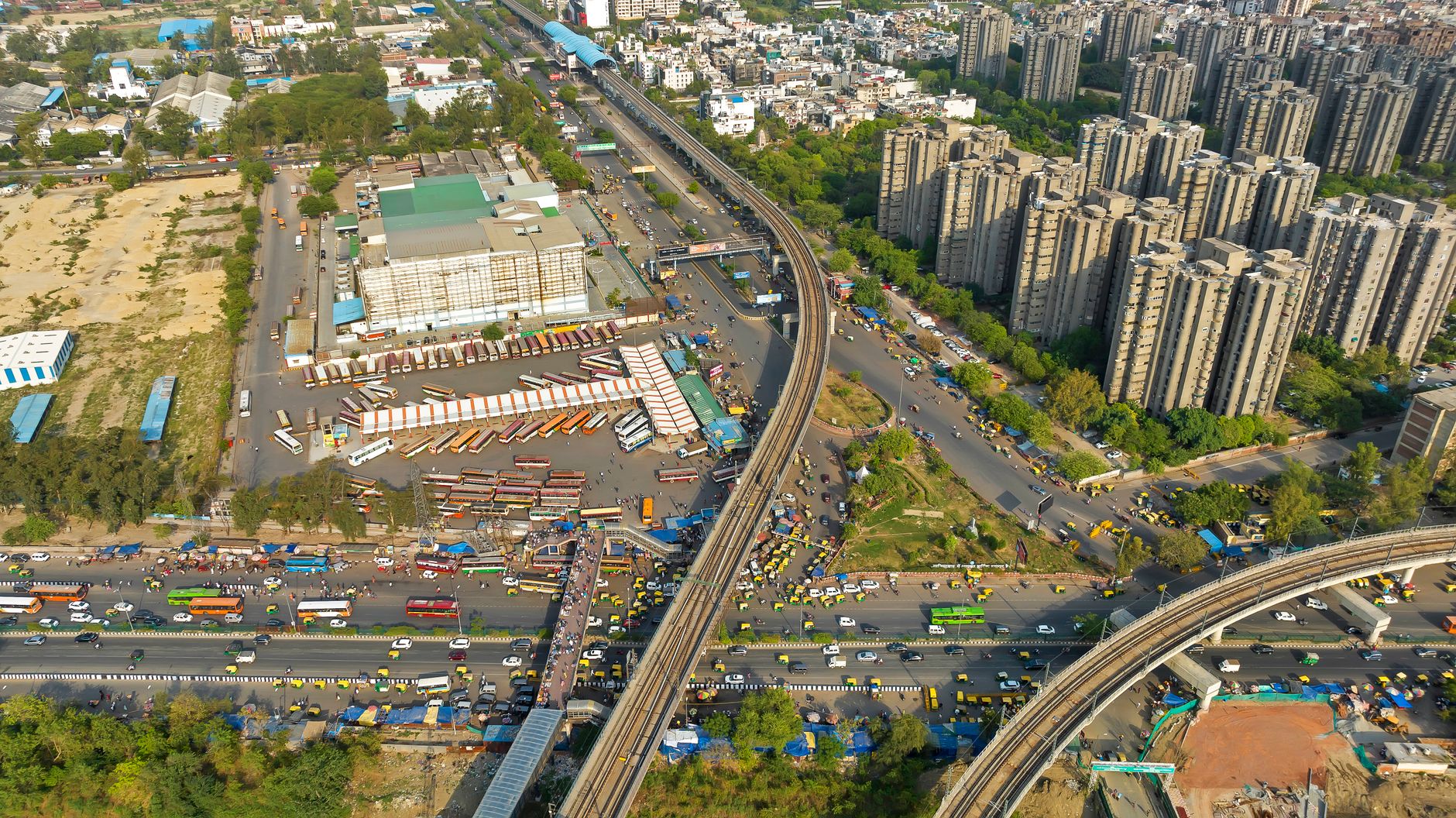
Recent years have seen substantial infrastructure investments in non-metro cities, making them viable alternatives to traditional business hubs. Improved connectivity through highways, airports, and railway networks has reduced the isolation these cities once faced. Many now boast industrial corridors, special economic zones, and technology parks that rival facilities in metros.
The government's Smart Cities Mission has further accelerated this trend, with cities like Bhopal, Pune, and Ahmedabad receiving funding for digital infrastructure, public transport, and civic amenities. This development makes these cities not just economically attractive but also liveable for skilled professionals.
Sector-Specific Growth Patterns
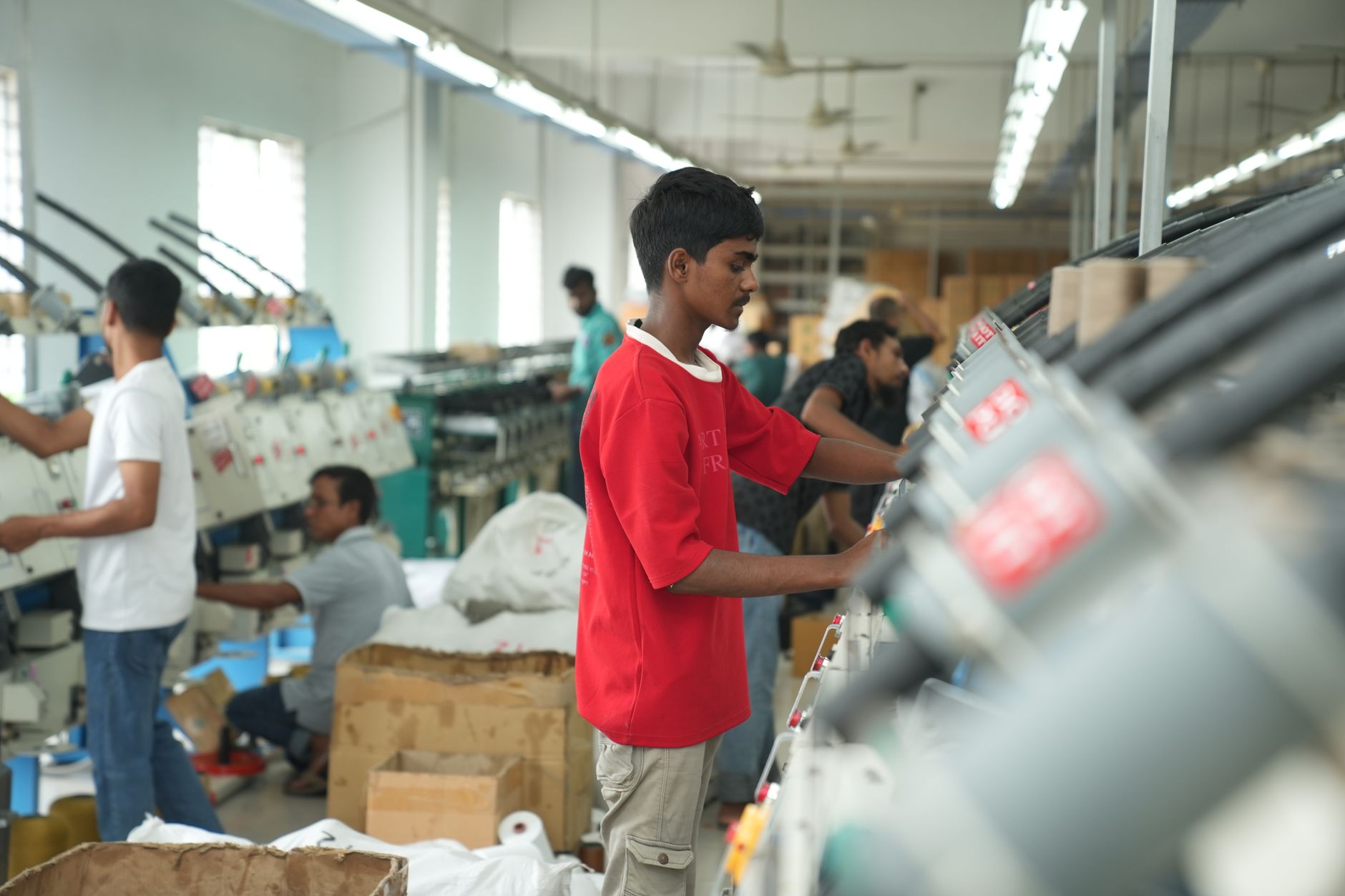
Different non-metro cities are emerging as hubs for specific industries. Surat continues to dominate in textiles and diamond processing, employing hundreds of thousands. Visakhapatnam has become a pharmaceutical and steel manufacturing center, while Coimbatore has established itself in automobile components and textile machinery.
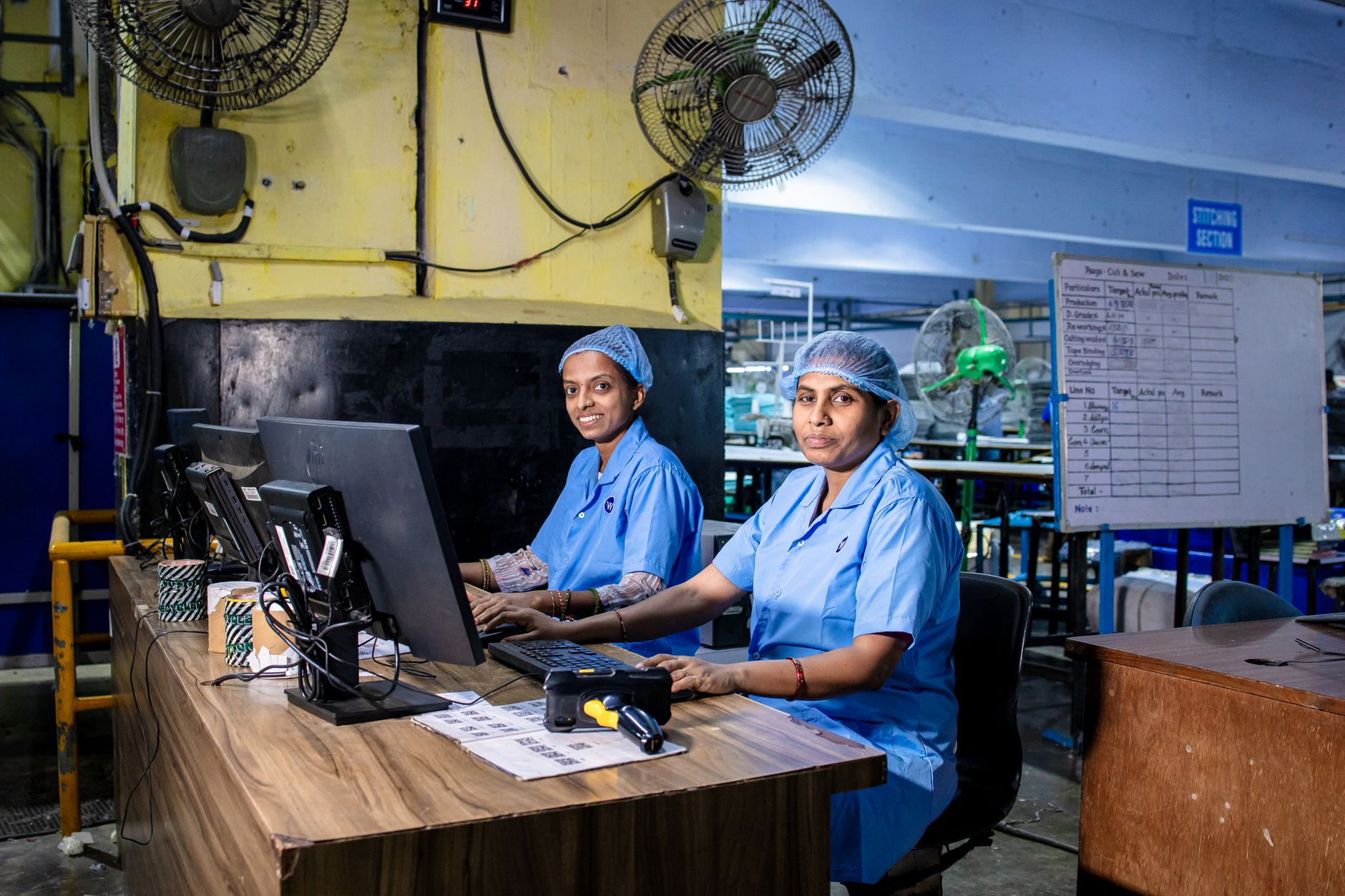
The IT and business services sector, traditionally concentrated in Bangalore and Hyderabad, is increasingly setting up operations in cities like Indore, Jaipur, and Kochi. E-commerce companies are establishing logistics and fulfillment centers in strategically located tier-2 cities, creating both white-collar and blue-collar employment opportunities.
Manufacturing sector expansion under various government initiatives has particularly benefited non-metro regions, with automobile companies, electronics manufacturers, and consumer goods producers establishing plants in cities with better land availability and supportive state policies.
The Talent Perspective
For job seekers, non-metro cities offer compelling advantages. Young professionals can avoid the stress of metro life while building meaningful careers. The work-life balance in smaller cities, proximity to family, and growing professional opportunities make these locations increasingly desirable.
However, challenges remain. Some specialized sectors still lack depth in non-metros, and career growth opportunities may be limited in niche fields. Professionals often face trade-offs between the breadth of opportunities available in metros and the quality of life in smaller cities.
Local Workforce Development
The rise of non-metro job markets has spurred growth in local educational institutions and skill development centers. Engineering colleges, management institutes, and vocational training centers in these cities are aligning their curricula with local industry needs, creating a sustainable talent pipeline.
Many companies are also investing in training programs to upskill local workforce, recognizing that importing talent from metros is neither cost-effective nor sustainable long-term.
Government Policy Support
State governments are actively wooing businesses with incentives including tax holidays, subsidized land, and streamlined approval processes. These policies recognize that economic development through job creation is crucial for reducing migration to already overcrowded metros and distributing prosperity more evenly across the country.
Industrial policies focused on creating sector-specific clusters have proven particularly effective, allowing related businesses to benefit from shared infrastructure and supplier networks.
Looking Ahead
The trend toward job creation in non-metro cities appears sustainable and likely to accelerate. As remote work becomes more normalized and digital infrastructure improves further, the traditional advantages of metro location diminish. Companies can access talent nationally while benefiting from the cost advantages of non-metro operations.
For India's economic development, this geographic dispersal of employment is highly positive, reducing pressure on metro infrastructure while bringing prosperity to a broader swath of the country. The rise of non-metro job markets represents not just a shift in where Indians work, but a more balanced and inclusive model of economic growth.