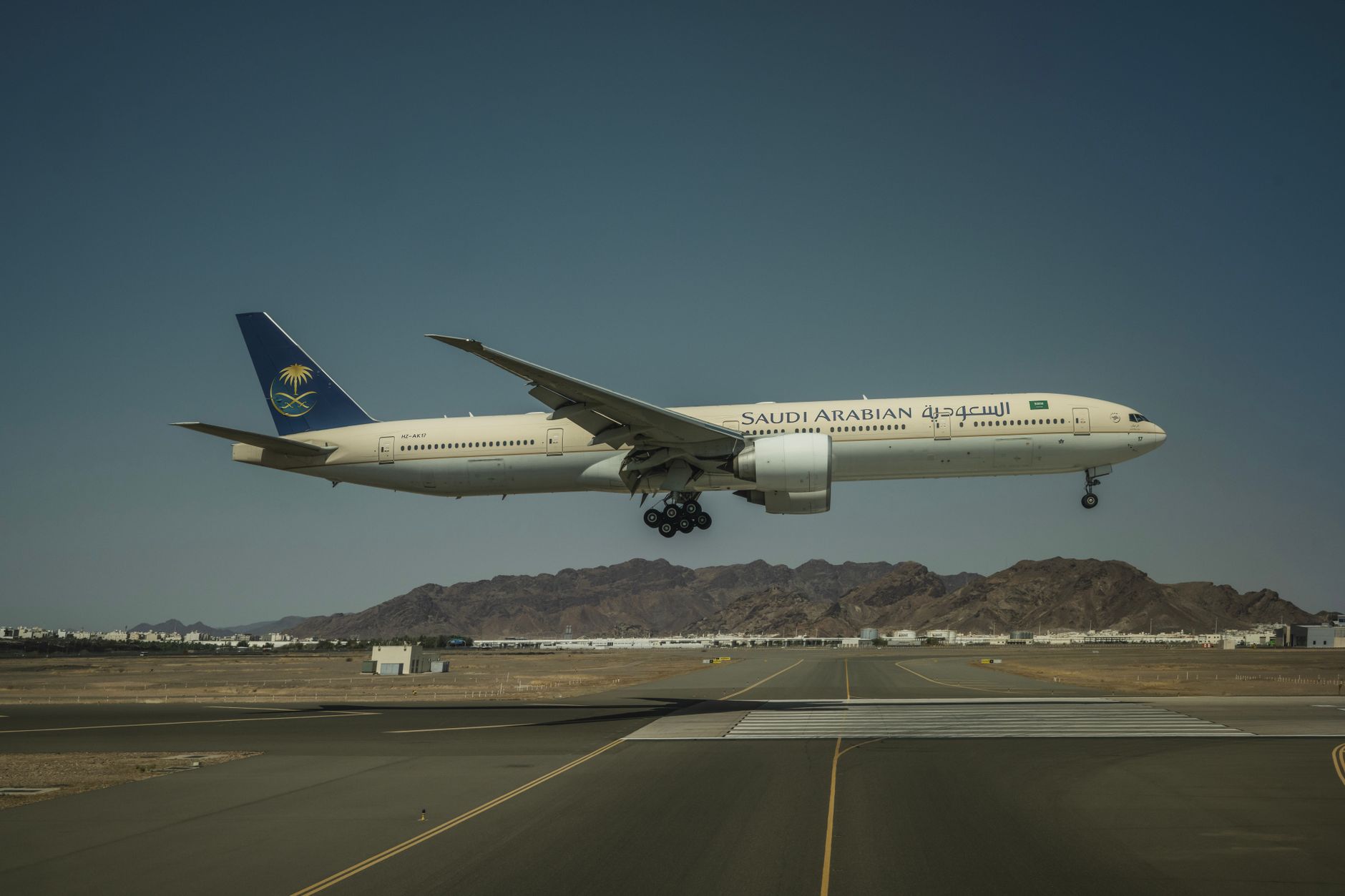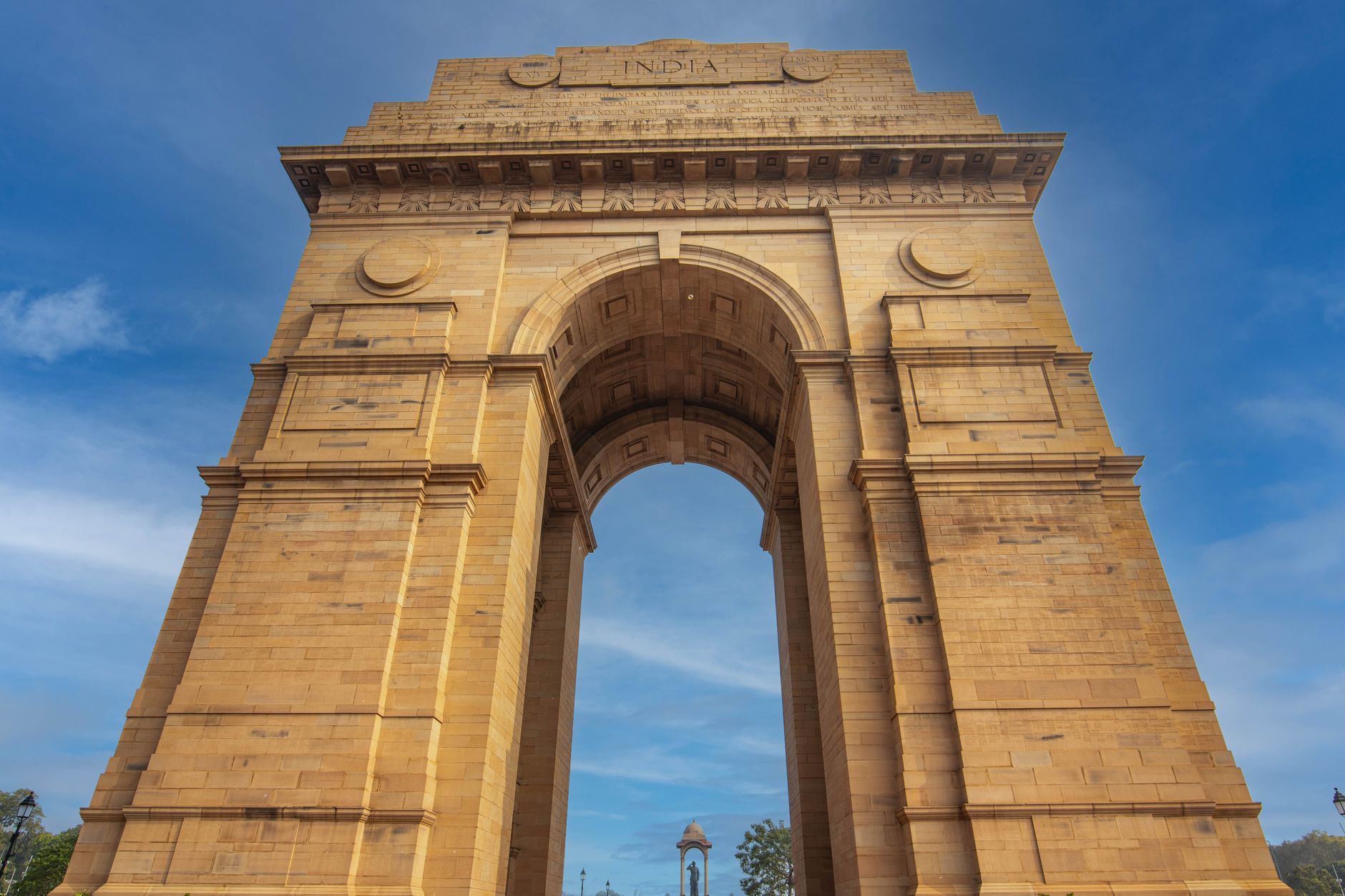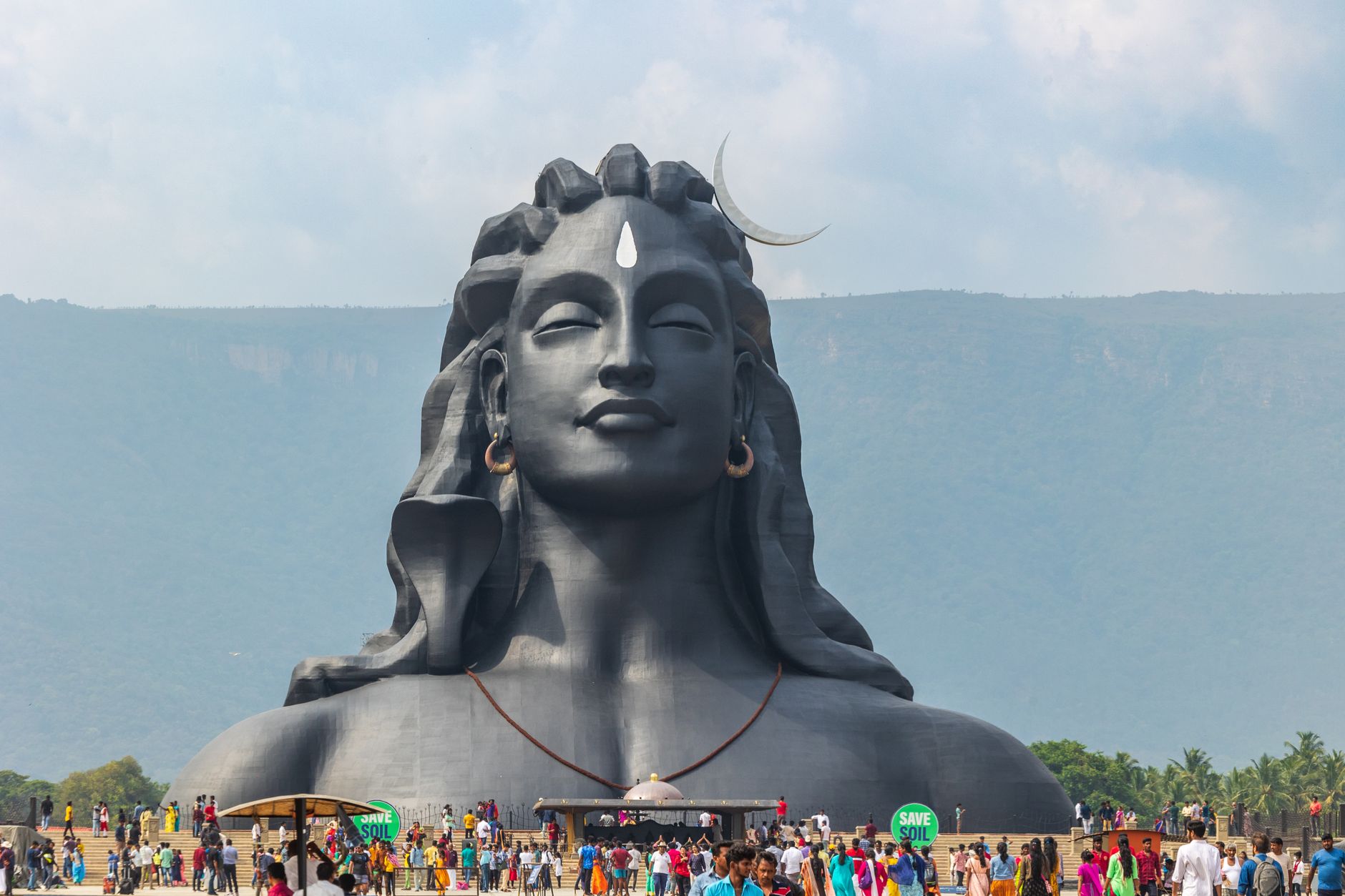
The Federation of Associations in Indian Tourism and Hospitality (FAITH), representing India's largest tourism and hospitality trade organizations, has amplified its longstanding demand for according industry status to the tourism sector. This designation, industry leaders argue, would be transformative for India's travel ecosystem and significantly boost the country's positioning as a premier global destination under the "Brand Bharat" initiative.
Understanding Industry Status
Industry status is an official classification that grants a sector access to priority lending, lower interest rates from financial institutions, and various fiscal incentives. Despite tourism contributing substantially to India's GDP and employment, it has historically been treated as a service rather than an industry in many states, limiting access to these benefits.
Currently, tourism businesses often struggle to secure institutional credit at competitive rates. Hotels, tour operators, and travel agencies are frequently categorized alongside general services, making them ineligible for industrial development schemes, subsidized land allotment, and preferential power tariffs that manufacturing units enjoy.
Why This Matters Now
India's tourism sector has been rebuilding momentum following the pandemic-induced disruption. International tourist arrivals are recovering, and domestic tourism has witnessed robust growth. However, the sector faces significant infrastructure gaps, workforce shortages, and fragmented marketing efforts that prevent India from competing effectively with destinations like Thailand, Dubai, or Singapore.
FAITH's renewed push comes at a critical juncture when the government is emphasizing "Brand Bharat" – a unified nation-branding initiative aimed at showcasing India's diverse cultural, historical, and natural attractions to the world. The federation argues that without foundational support like industry status, these branding efforts cannot achieve their full potential.
Potential Benefits of Industry Status
Granting industry status would unlock several advantages for tourism businesses:
- Access to priority sector lending and lower interest rates for expansion and upgrades
- Eligibility for infrastructure development subsidies and tax concessions
- Simplified regulatory frameworks and faster clearances for tourism projects
- Better access to technology adoption grants and skill development funding
- Enhanced ability to raise capital through equity markets
These benefits would particularly help small and medium tourism enterprises, which form the backbone of India's travel sector but often lack the resources for modernization and quality upgrades.
The Brand Bharat Vision
The "Brand Bharat" concept extends beyond traditional tourism promotion. It envisions positioning India as a holistic experience encompassing wellness, spirituality, adventure, heritage, and modern amenities. From the Himalayan treks to Kerala's backwaters, from Rajasthan's palaces to Northeast India's unexplored landscapes, the branding aims to create a cohesive narrative.
However, effective nation-branding requires sustained investment in destination development, marketing infrastructure, and service quality. Industry insiders point out that countries like Thailand and Malaysia have successfully leveraged government support and industry status to build world-class tourism products while India's fragmented approach has limited impact.
Challenges in Implementation
While the demand appears logical, granting industry status involves coordination between central and state governments, as tourism falls under the concurrent list of the Constitution. Some states have already granted this status independently, creating an uneven playing field across the country.
Additionally, defining which businesses qualify as "tourism industry" can be complex. Hotels and tour operators clearly fit, but questions arise about restaurants, souvenir shops, transport services, and other allied sectors.
What Needs to Happen
For Brand Bharat to succeed and Indian tourism to realize its potential, FAITH suggests a comprehensive approach:
- Uniform industry status across all states through central coordination
- Dedicated tourism infrastructure fund with simplified access
- Streamlined visa processes and enhanced air connectivity
- Integrated digital marketing under a single Brand Bharat umbrella
- Public-private partnerships for developing lesser-known destinations
- Focused skill development programs addressing workforce quality
Economic Implications
Tourism is among the world's largest employers and economic contributors. For India, with its youth demographic and need for job creation, tourism offers enormous potential. Industry estimates suggest that with proper support, tourism could contribute significantly more to GDP while creating millions of direct and indirect jobs in hospitality, transport, handicrafts, and allied sectors.
The multiplier effect of tourism spending benefits local economies far beyond major cities, particularly in rural and remote areas where alternative employment opportunities remain limited.
The coming months will reveal whether FAITH's renewed advocacy finds resonance with policymakers. As India positions itself on the global stage, the treatment of its tourism sector could well determine whether Brand Bharat becomes a compelling reality or remains an unfulfilled aspiration.