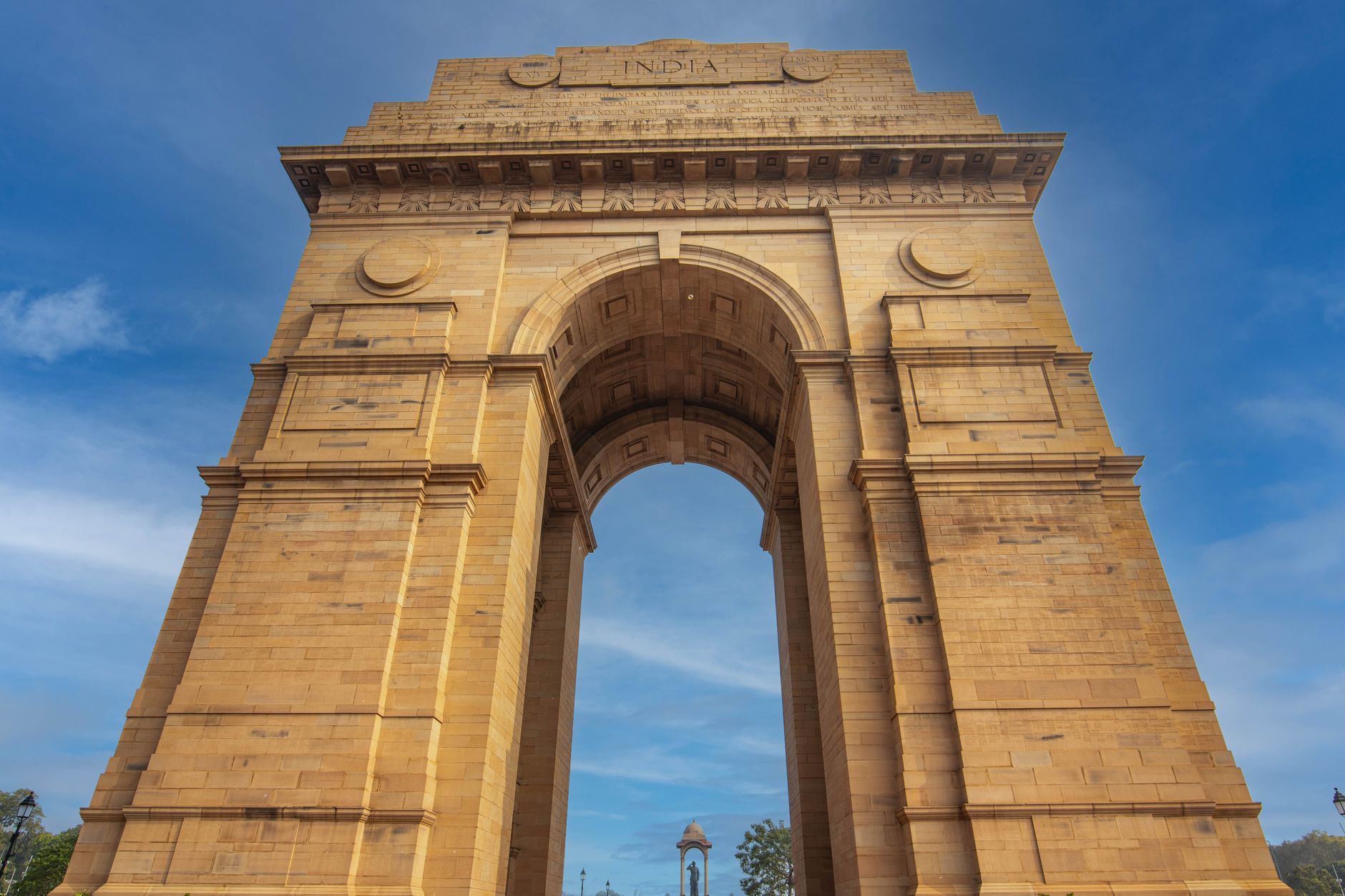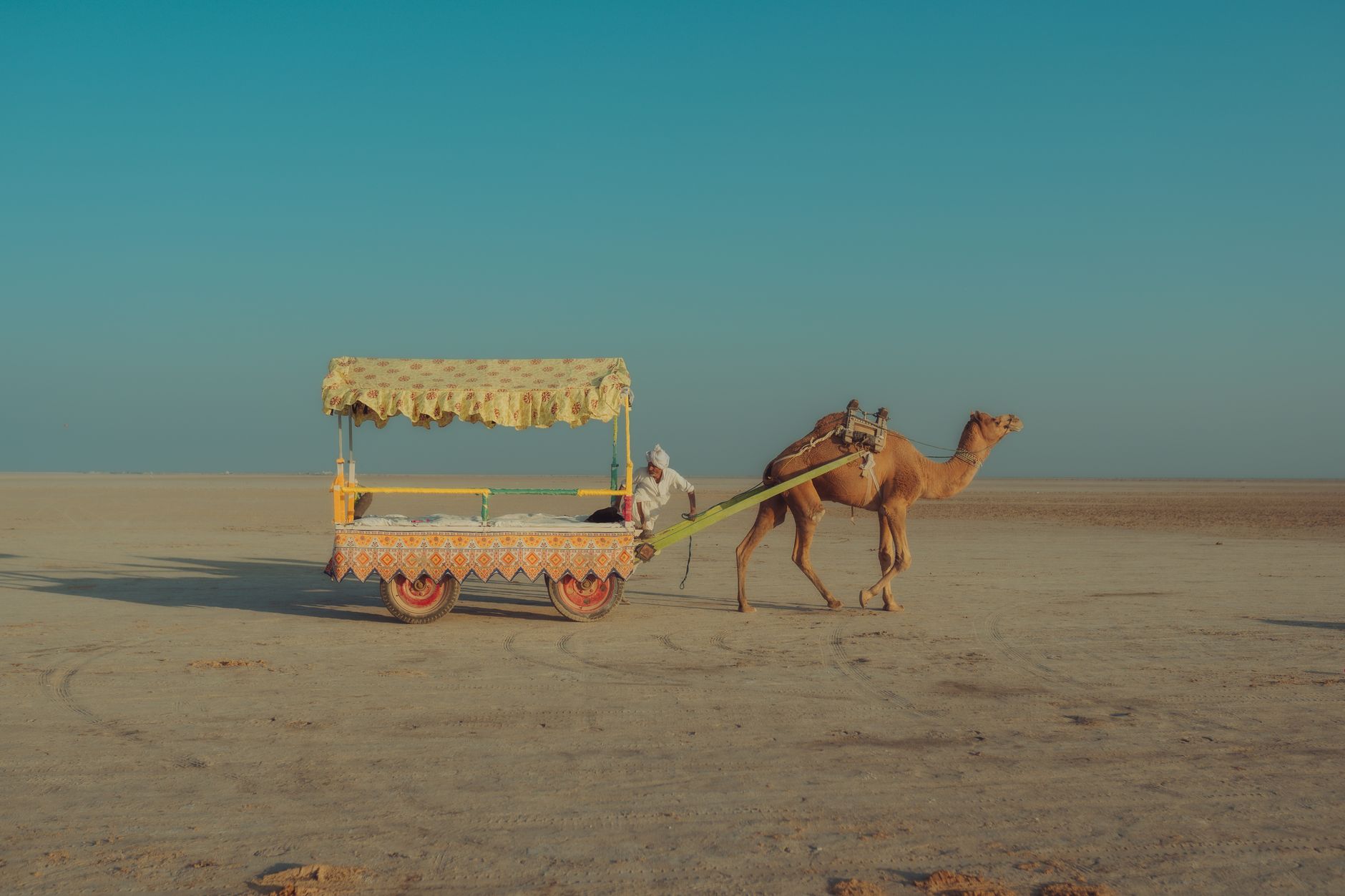
The global tourism industry is undergoing a fundamental shift. Travelers today are moving away from superficial, tick-box tourism toward deeper, more meaningful engagements with destinations. This trend, known as experiential travel, emphasizes authentic cultural immersion, local interactions, and transformative experiences rather than passive observation. As this movement reshapes tourism worldwide, India stands poised to benefit enormously from its inherent advantages.
What Is Experiential Travel?
Experiential travel prioritizes participation over observation. Instead of viewing monuments from behind barriers, travelers want to learn traditional cooking techniques from local families, participate in village festivals, practice yoga at its spiritual source, or contribute to community development projects. This approach transforms tourists from spectators into active participants in the cultural and social fabric of their destinations.
The shift reflects broader changes in consumer behavior, particularly among millennials and Gen Z travelers who value experiences over material possessions. These demographics seek travel that educates, challenges, and changes them, creating lasting memories and personal growth rather than just Instagram moments.
India's Natural Advantages
India possesses several inherent strengths that position it ideally for experiential tourism growth.
The country's cultural diversity is unmatched globally. With 28 states and 8 union territories, each region offers distinct languages, cuisines, art forms, festivals, and traditions. A traveler can experience entirely different cultures within a single country, from the desert traditions of Rajasthan to the tropical backwaters of Kerala, from Buddhist monasteries in Ladakh to tribal communities in Northeast India.
India's living heritage sets it apart from many destinations where historical sites exist as museums. Here, ancient traditions continue in daily life. Visitors can witness artisans practicing crafts unchanged for centuries, participate in religious ceremonies at active temples thousands of years old, or learn classical dance forms with unbroken lineages. This living continuity creates authentic experiential opportunities impossible to replicate elsewhere.
The country's spiritual heritage attracts millions seeking transformative experiences. Yoga and meditation retreats, ashram stays, pilgrimage routes, and wellness tourism based on Ayurveda offer profound experiential possibilities. India invented many practices that Western travelers now seek, giving it authenticity advantages.
Economic and Social Benefits
Experiential travel typically benefits local communities more directly than conventional tourism. When travelers pay for cooking classes with village families, homestays in rural areas, or guided walks with local historians, money flows directly to residents rather than international hotel chains or tour operators.
This model creates diverse income opportunities across economic strata. Farmers can offer agritourism experiences, artisans can teach their crafts, musicians can perform in intimate settings, and ordinary families can host travelers. This democratization of tourism revenue can drive rural development and preserve traditional livelihoods that might otherwise disappear.
The extended length of stay associated with experiential travel also multiplies economic benefits. Travelers attending week-long cooking courses or month-long yoga teacher training programs spend considerably more time and money than conventional tourists rushing through highlight reels.
Infrastructure and Development Challenges
Despite India's advantages, capturing the experiential travel market requires addressing infrastructure gaps. While luxury experiential offerings exist, mid-range and budget options need expansion. Better connectivity to off-beaten destinations, improved sanitation facilities, and quality accommodation standards remain priorities.
Digital infrastructure requires enhancement. International travelers increasingly research and book experiences online, requiring better internet connectivity in rural areas and digital literacy among service providers. Platform development connecting travelers directly with experience providers would reduce intermediary costs and increase authentic interactions.
Training and certification programs can help standardize quality while preserving authenticity. Teaching English language basics, hospitality skills, and cultural sensitivity to rural experience providers ensures positive guest interactions without diluting local character.
Marketing India's Experiential Offerings
India's tourism promotion has historically emphasized monuments and beaches. Pivoting marketing toward experiential possibilities requires showcasing stories rather than sites, emphasizing transformation over transaction. Successful campaigns might feature travelers learning pottery in Khurja, harvesting tea in Darjeeling, or celebrating Holi with local families rather than just showing the Taj Mahal.
Digital marketing and influencer partnerships can effectively reach experience-seeking demographics. User-generated content from satisfied experiential travelers serves as authentic advertising that resonates with target audiences.
State tourism departments can develop experiential routes and certify authentic providers, creating quality assurance for travelers while supporting local entrepreneurs. Thematic circuits around specific interests like textile traditions, culinary heritage, or spiritual practices can attract niche markets.
The Path Forward
As global tourism continues shifting toward experiential models, India's challenge is not developing attractions but rather packaging and presenting its existing cultural wealth accessibly. With strategic infrastructure investment, quality standardization, effective marketing, and community empowerment, India can capture disproportionate value from the experiential travel revolution, turning its cultural diversity and living heritage into sustainable competitive advantages that benefit both travelers and local communities.