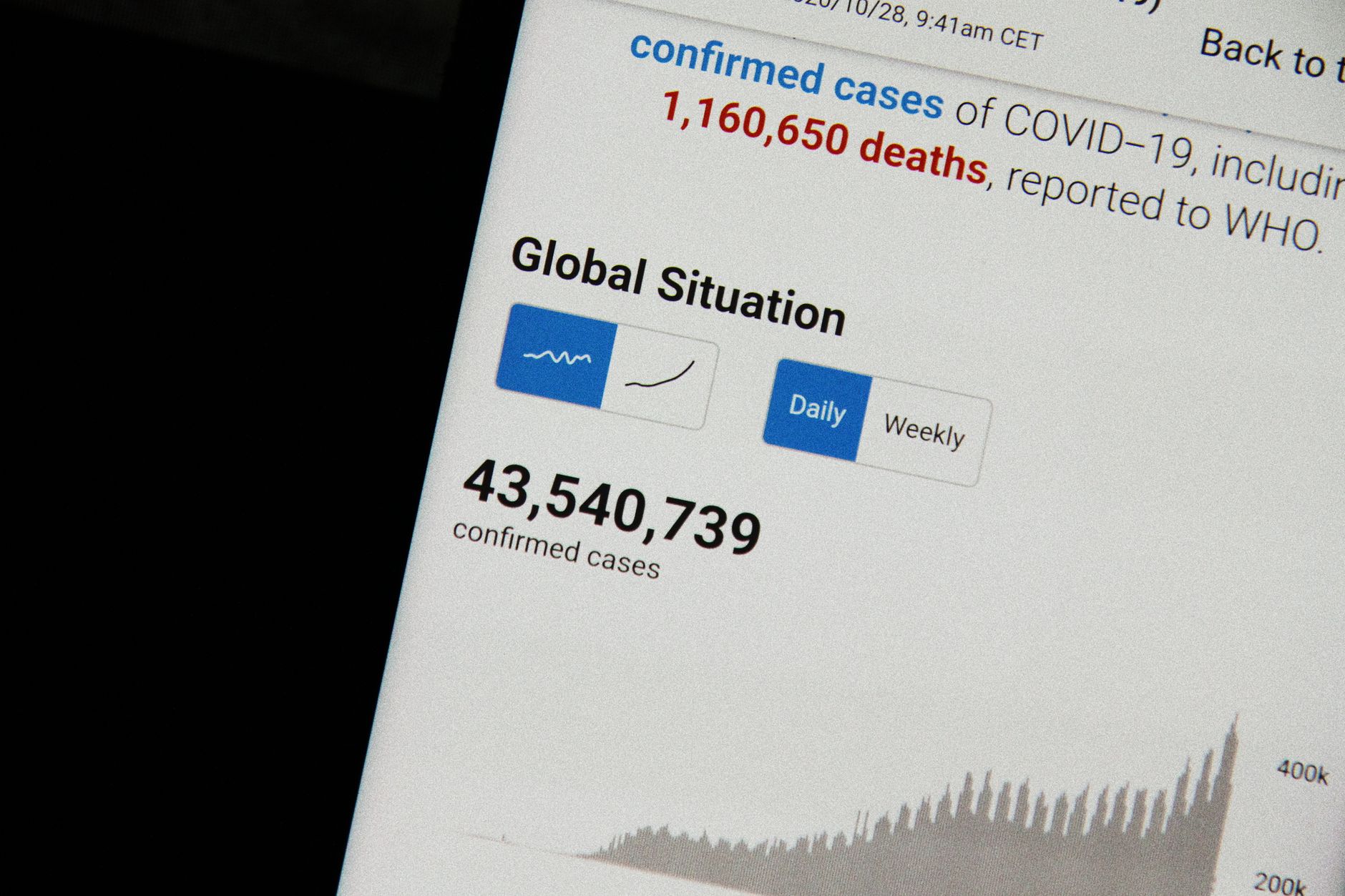
India is experiencing another uptick in Covid-19 cases, prompting renewed concerns about healthcare preparedness and financial protection. While most Indians now have some form of health insurance, whether through employer-provided coverage or individual policies, many remain unaware of the significant gaps in their coverage when it comes to pandemic-related treatment.
Understanding Your Policy's Exclusions
Health insurance policies in India typically come with a range of exclusions that can catch policyholders off-guard during a medical crisis. With Covid-19, these limitations become particularly important to understand as treatment costs can escalate quickly.
Most standard health insurance policies cover hospitalization expenses for Covid-19 treatment, including ICU charges, ventilator costs, and medication. However, several critical aspects often fall outside the coverage umbrella.
Home Isolation and Outpatient Treatment
One of the most common exclusions relates to home isolation treatment. During the previous waves, many patients with mild symptoms were advised to isolate at home rather than occupy hospital beds. While some insurers introduced special provisions for home treatment during the pandemic's peak, many policies still do not cover:
- Medications purchased for home treatment
- Doctor consultation fees for home visits or teleconsultations
- Oxygen concentrators or cylinders used at home
- Pulse oximeters and other monitoring devices
- Diagnostic tests conducted at home or testing centers
These expenses, while individually modest, can accumulate substantially over the isolation period, especially for families with multiple infected members.
Waiting Periods and Pre-existing Conditions
Newly purchased health insurance policies typically include a waiting period of 30 days for general illnesses, meaning Covid-19 treatment would not be covered if you contract the virus within the first month of policy purchase. This makes it essential to maintain continuous coverage rather than purchasing insurance reactively.
Additionally, if you have pre-existing conditions such as diabetes, hypertension, or respiratory disorders, these often come with waiting periods of 2-4 years. While insurers may cover Covid-19 hospitalization itself, complications arising from pre-existing conditions might face scrutiny or partial rejection.
Preventive Care and Vaccination
Most health insurance policies in India do not cover preventive healthcare measures. This means:
- Covid-19 vaccination costs
- Antibody testing to check immunity levels
- Preventive health check-ups
- Vitamins and immunity-boosting supplements
While the Indian government has provided free vaccinations through public health centers, booster doses or vaccines from private facilities may require out-of-pocket payment.
Quarantine Facility Costs
If you're required to quarantine at a government-designated facility or hotel, these accommodation charges typically fall outside health insurance coverage. Insurance policies are designed to cover medical treatment, not lodging expenses, even when quarantine is mandatory for public health reasons.
Experimental and Unproven Treatments
During previous Covid waves, various experimental treatments gained attention, from plasma therapy to certain antiviral medications used off-label. Insurance companies generally exclude:
- Treatments not approved by medical authorities
- Experimental drugs not part of standard treatment protocols
- Alternative medicine approaches unless specifically included
- Unregistered or unlicensed treatments
Even if a doctor recommends such treatments, insurers may refuse reimbursement if they're not part of established medical guidelines.
International Treatment and Air Ambulance
For those considering treatment abroad or requiring emergency medical evacuation, standard domestic health insurance policies provide no coverage. International treatment, air ambulance services, and medical repatriation require specialized coverage that comes at a premium.
Room Rent Limits and Sub-limits
Many affordable health insurance policies come with room rent capping, typically limiting coverage to 1-2% of the sum insured per day. If Covid-19 treatment requires extended ICU stay in a high-cost hospital, you might face significant co-payment obligations. Some policies also impose sub-limits on specific treatments, ICU charges, or diagnostic tests.
Steps to Strengthen Your Coverage
Review your existing policy documents carefully to understand exclusions. Consider purchasing a super top-up policy to address gaps in your base coverage. Some insurers now offer specific Covid-19 riders or comprehensive health policies with minimal exclusions.
Maintain an emergency medical fund equivalent to at least three months of expenses to cover out-of-pocket costs that insurance won't reimburse. Keep all medical bills, prescriptions, and diagnostic reports organized for smooth claim processing.
This article provides general information about health insurance coverage and should not be considered as financial or medical advice. Policy terms vary significantly between insurers and specific plans. Always read your policy document carefully and consult with your insurance provider or a qualified financial advisor for guidance specific to your situation.