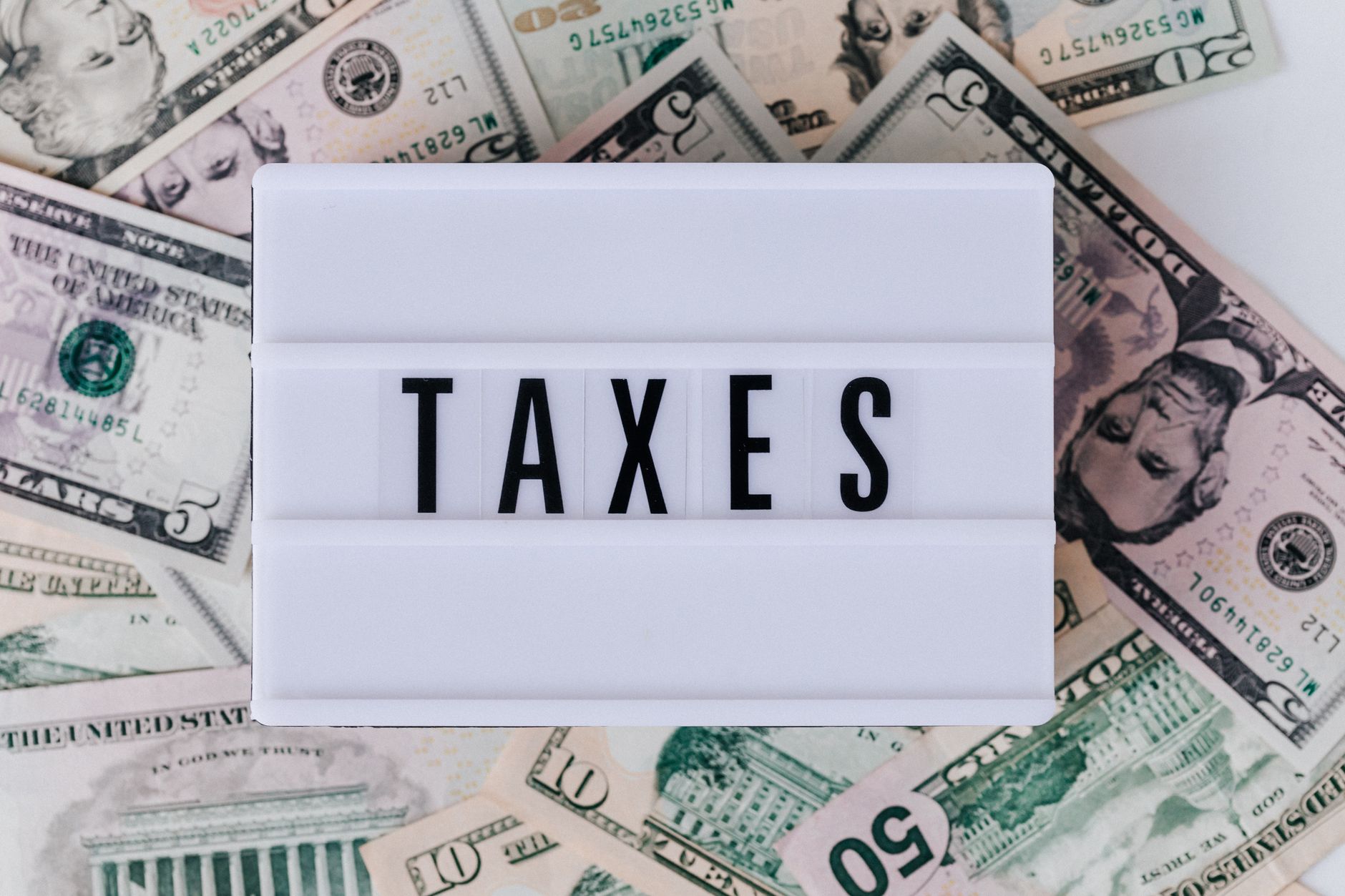
The central government's decision to table new Income Tax and MSME Bills in Parliament signals potential major reforms in two critical areas affecting millions of Indians and businesses. These legislative proposals come at a time when the country is seeking to simplify tax compliance and strengthen the MSME sector, which forms the backbone of the Indian economy.
Understanding the Income Tax Bill
The proposed Income Tax Bill is expected to be a comprehensive piece of legislation aimed at modernizing India's tax framework. The current Income Tax Act of 1961, despite numerous amendments over six decades, has become increasingly complex with overlapping provisions and interpretations that often confuse taxpayers.
The new bill likely focuses on simplification and clarity. This could mean fewer exemptions, clearer definitions of taxable income, and streamlined procedures for filing returns. The government has been consulting with tax experts, chartered accountants, and stakeholders to identify pain points in the existing system.
One key area of reform may involve the rationalization of tax slabs and rates. While recent budgets have already simplified the new tax regime by reducing the number of slabs, the bill might formalize this structure and make it more taxpayer-friendly. The goal is to reduce litigation and disputes that currently burden both taxpayers and the judicial system.
Expected Changes in Tax Administration
Digital integration will likely be a cornerstone of the new Income Tax legislation. The government has been pushing for faceless assessments, automated refunds, and online dispute resolution mechanisms. The bill may provide a stronger legal framework for these digital initiatives, ensuring taxpayer data security while improving efficiency.
The legislation might also address concerns around retrospective taxation, angel tax on startups, and other contentious issues that have affected India's investment climate in the past. Providing certainty and predictability in tax matters has become crucial for attracting both domestic and foreign investment.
The MSME Bill: Supporting Small Businesses
The MSME sector contributes approximately 30 percent to India's GDP and provides employment to over 11 crore people. The proposed MSME Bill aims to address long-standing challenges faced by these enterprises, particularly regarding delayed payments, access to credit, and regulatory compliance.
One major issue the bill might tackle is the persistent problem of delayed payments to MSMEs by larger corporations and government departments. Despite existing regulations, payment delays remain a significant cash flow challenge for small businesses. Stronger enforcement mechanisms and penalties could be introduced to ensure timely payments within the mandated 45-day period.
Credit Access and Technology Adoption
The bill may include provisions to improve MSMEs' access to formal credit channels. Many small businesses struggle to obtain loans due to lack of collateral or formal credit histories. The legislation could facilitate alternative credit assessment methods using digital footprints and transaction data, making it easier for banks to lend to MSMEs.
Technology adoption and digital transformation incentives might also feature in the bill. As India pushes toward a digital economy, MSMEs need support to upgrade their systems, adopt e-commerce platforms, and integrate with digital payment infrastructure.
Compliance Simplification
A key focus area is likely to be the simplification of compliance requirements. MSMEs currently need to navigate multiple registrations, licenses, and regulatory filings across different departments and levels of government. The bill may introduce a unified registration system and reduce the compliance burden through technology integration.
Impact on the Economy
If enacted, these bills could have far-reaching implications for India's economic landscape. A simpler, more predictable tax regime would reduce compliance costs for individuals and businesses, potentially increasing tax collections while improving taxpayer satisfaction.
For the MSME sector, stronger legal protections and easier access to credit could unlock growth potential, leading to increased employment generation and economic activity. These enterprises are crucial for achieving the government's goals of inclusive growth and job creation.
What Happens Next
Once tabled in Parliament, both bills will undergo scrutiny by standing committees, where members of Parliament will examine the provisions in detail and seek stakeholder feedback. This process ensures democratic debate and allows for amendments before the bills are passed into law.
The actual implementation timeline will depend on when the bills receive presidential assent and the transitional provisions included in the legislation. The government typically provides adequate time for taxpayers and businesses to adjust to new requirements.
This article provides general information about anticipated legislative changes and should not be construed as legal, financial, or tax advice. Readers should consult qualified professionals for guidance specific to their individual circumstances. The actual provisions of the bills may differ from what has been discussed here, as final details will only be known once the legislation is officially tabled and made public.