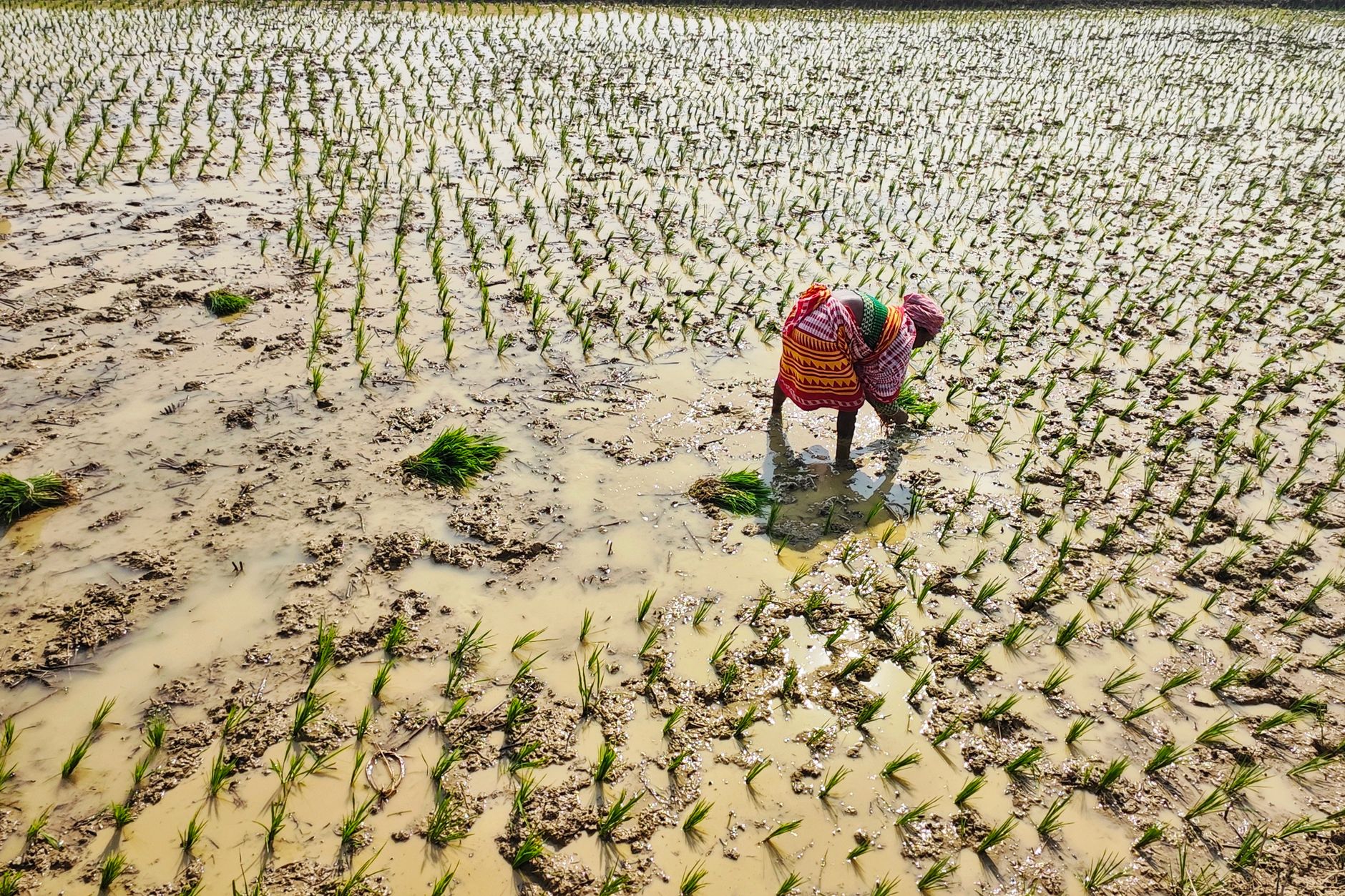
The Indian monsoon has always been the backbone of the country's agricultural economy, with nearly 60 percent of farmland depending on rainfall rather than irrigation. However, recent years have seen growing unpredictability in monsoon patterns—delayed arrivals, erratic distribution, extended dry spells, and sudden floods. This volatility has prompted a fundamental question: can investing in better seed technology provide a solution to this age-old challenge?
The Changing Monsoon Reality
India's farmers have traditionally planned their cropping calendars around the southwest monsoon, which typically arrives in June and withdraws by September. However, climate change has disrupted these patterns significantly. Some regions receive excess rainfall causing floods, while others face prolonged dry spells during critical growth periods. This unpredictability makes traditional farming practices increasingly risky and affects both crop yields and farmer incomes.
The economic impact is substantial. Agriculture contributes approximately 18 percent to India's GDP and employs around 42 percent of the workforce. When monsoons fail or behave erratically, the ripple effects extend beyond farms to rural consumption, inflation, and overall economic growth.
The Investment Case for Improved Seeds
Recognizing this challenge, both private sector companies and public institutions are channeling significant investments into developing seeds that can better withstand monsoon variability. These improved seeds promise several advantages:
- Drought tolerance allowing crops to survive with less water during dry spells
- Shorter crop duration enabling farmers to complete harvests before unexpected weather events
- Disease resistance particularly against monsoon-related fungal infections
- Higher yield potential even under suboptimal water conditions
- Better nutrient uptake reducing dependence on expensive fertilizers
Seed companies like Bayer, Corteva, and Indian firms such as Kaveri Seeds and Nuziveedu Seeds have invested heavily in research and development. The Indian government has also established public-private partnerships to accelerate the development and distribution of climate-resilient seed varieties.
Market Growth and Opportunities
The Indian seed market, valued at approximately Rs 15,000-20,000 crore, has been growing at 10-12 percent annually. Within this, the segment for climate-resistant and hybrid seeds is expanding even faster. Investors are taking note of this trend, with agricultural technology startups and established seed companies attracting substantial funding.
For retail investors, exposure to this sector comes through shares of listed seed companies, agri-input companies with seed divisions, and agricultural ETFs. Institutional investors and venture capitalists are also funding startups working on gene editing, precision breeding, and digital agriculture platforms that complement improved seed technology.
Challenges Beyond Seeds
While better seeds represent a promising solution, they cannot single-handedly solve the monsoon problem. Several factors limit their effectiveness:
Farmers need reliable access to these improved varieties at affordable prices. Distribution networks in remote areas remain weak, and genuine quality seeds must be distinguished from counterfeit products that plague the market. Additionally, many small and marginal farmers cannot afford the higher upfront cost of premium seeds, even when long-term returns justify the investment.
Improved seeds also require complementary investments in irrigation infrastructure, soil health management, and agricultural extension services. A drought-tolerant seed still needs minimum moisture levels, proper soil nutrition, and appropriate farming practices to deliver promised results.
The Broader Investment Perspective
From an investment standpoint, the seed technology sector offers exposure to a critical challenge with significant growth potential. However, investors should consider this as part of a broader agricultural transformation that includes mechanization, micro-irrigation, crop insurance, and digital farming tools.
The government's focus on doubling farmer incomes and achieving self-sufficiency in oilseeds and pulses provides policy support for this sector. Programs like the National Mission on Sustainable Agriculture specifically promote climate-resilient farming practices, creating a favorable environment for seed technology adoption.
The Verdict
Better seeds are undoubtedly an important piece of the puzzle in addressing farmers' monsoon challenges. They provide a biological solution that works at the farm level and can be scaled relatively quickly compared to massive infrastructure projects. However, they work best as part of an integrated approach that includes improved water management, soil conservation, crop diversification, and better market access.
For investors, the seed technology sector presents opportunities but requires careful selection of companies with strong R&D capabilities, distribution networks, and farmer relationships. The sector's long-term prospects appear favorable given India's agricultural challenges and the increasing need for climate adaptation.
This article is for informational purposes only and should not be considered as financial or investment advice. Readers should conduct their own research or consult with qualified financial advisors before making investment decisions.
===END===