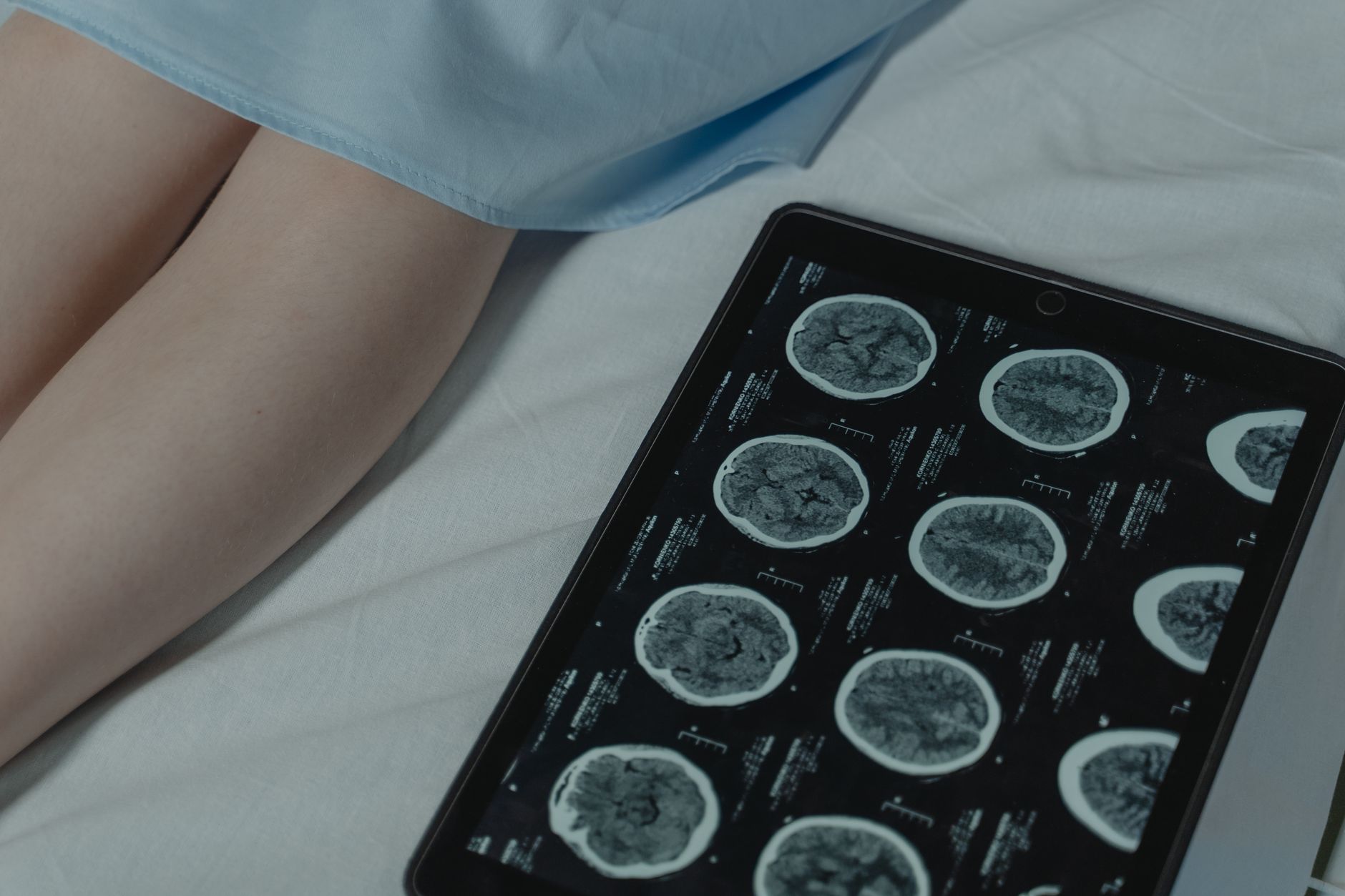
India is witnessing an alarming increase in brain and nervous system disorders at a time when the country faces a severe shortage of qualified neurologists to treat them. With changing lifestyles, an aging population, and increased awareness leading to better detection, neurological conditions are placing unprecedented strain on an already overstretched healthcare system.
The Scale of the Problem
According to estimates, India has approximately 2,500 to 3,000 neurologists serving a population of 1.4 billion people. This translates to roughly one neurologist for every 100,000 to 140,000 individuals. The World Health Organization recommends a ratio closer to one neurologist per 20,000 people, highlighting the massive gap in specialized care availability.
The shortage is particularly acute in rural areas, where access to neurological care is nearly non-existent. Most neurologists are concentrated in major metropolitan cities like Delhi, Mumbai, Bangalore, and Chennai, leaving smaller towns and villages severely underserved. Patients often must travel hundreds of kilometers and wait months for appointments, by which time their conditions may have significantly worsened.
Rising Burden of Neurological Disorders
Several factors contribute to the increasing prevalence of brain disorders in India:
- Stroke has become one of the leading causes of death and disability, with India reporting over 1.8 million cases annually
- Epilepsy affects approximately 12 million Indians, many of whom lack access to proper diagnosis and treatment
- Parkinson's disease and other neurodegenerative conditions are rising with the aging population
- Headache disorders, including migraines, affect a significant portion of the working-age population
- Traumatic brain injuries from road accidents continue to increase with growing vehicularization
- Rising rates of diabetes and hypertension contribute to vascular brain diseases
Lifestyle factors such as poor diet, lack of exercise, high stress levels, and inadequate sleep are also contributing to the growing burden of neurological conditions. Additionally, better diagnostic tools and increased health awareness mean more cases are being detected than in previous decades.
Why the Shortage Exists
The neurologist shortage stems from multiple systemic issues. Medical education in India produces relatively few neurologists each year. Neurology requires extensive training beyond the basic medical degree—typically three years of DM (Doctorate of Medicine) specialization after completing an MD in general medicine. The limited number of seats in neurology programs, combined with the lengthy training period, restricts the supply of specialists entering the field.
Many qualified neurologists also choose to migrate abroad for better opportunities, further depleting the domestic workforce. Countries like the United States, United Kingdom, Canada, and Australia actively recruit Indian doctors, offering higher compensation and better research facilities.
The uneven distribution of neurologists is another critical issue. Private hospitals in cities offer better salaries and working conditions, making it difficult to incentivize specialists to work in public hospitals or rural areas where they are needed most.
Impact on Patients and Healthcare System
The shortage creates a cascading effect throughout the healthcare system. General physicians and internists often must manage complex neurological cases without specialized training, potentially leading to misdiagnosis or suboptimal treatment. Patients with time-sensitive conditions like stroke may not receive critical interventions within the narrow therapeutic window when treatment is most effective.
The financial burden on families is substantial. Patients who can afford it seek treatment at expensive private facilities or travel abroad, while those without means go untreated or rely on traditional remedies that may not address their underlying neurological conditions.
Potential Solutions
Addressing this crisis requires a multi-pronged approach. Expanding neurology training programs and creating more DM seats in medical colleges would increase the supply of specialists. Incentive programs could encourage neurologists to serve in underserved areas, similar to schemes that offer loan forgiveness or guaranteed positions in exchange for rural service.
Telemedicine presents a promising avenue for extending specialized care to remote areas. Neurologists in cities could consult with patients and guide local doctors through virtual platforms, improving access without requiring physical relocation of specialists.
Training general physicians and paramedics to recognize and provide initial management for common neurological emergencies could improve outcomes, with specialist referral reserved for complex cases. Public health initiatives focused on prevention through lifestyle modification, blood pressure control, and stroke awareness could also reduce the overall disease burden.
Investment in healthcare infrastructure, competitive compensation for doctors in public hospitals, and creation of research opportunities within India could help retain talent and attract specialists to areas of greatest need.
This article is for general informational purposes only and does not constitute medical advice. Readers should consult qualified healthcare professionals for diagnosis and treatment of any neurological symptoms or conditions.