Cancer screening in India has taken a significant leap forward with the introduction of Guardant Health's blood-based multi-cancer detection test through Dr Dangs Lab. This partnership brings cutting-edge liquid biopsy technology to Indian patients, potentially transforming how cancers are detected and diagnosed across the country.
What Is Multi-Cancer Detection Technology
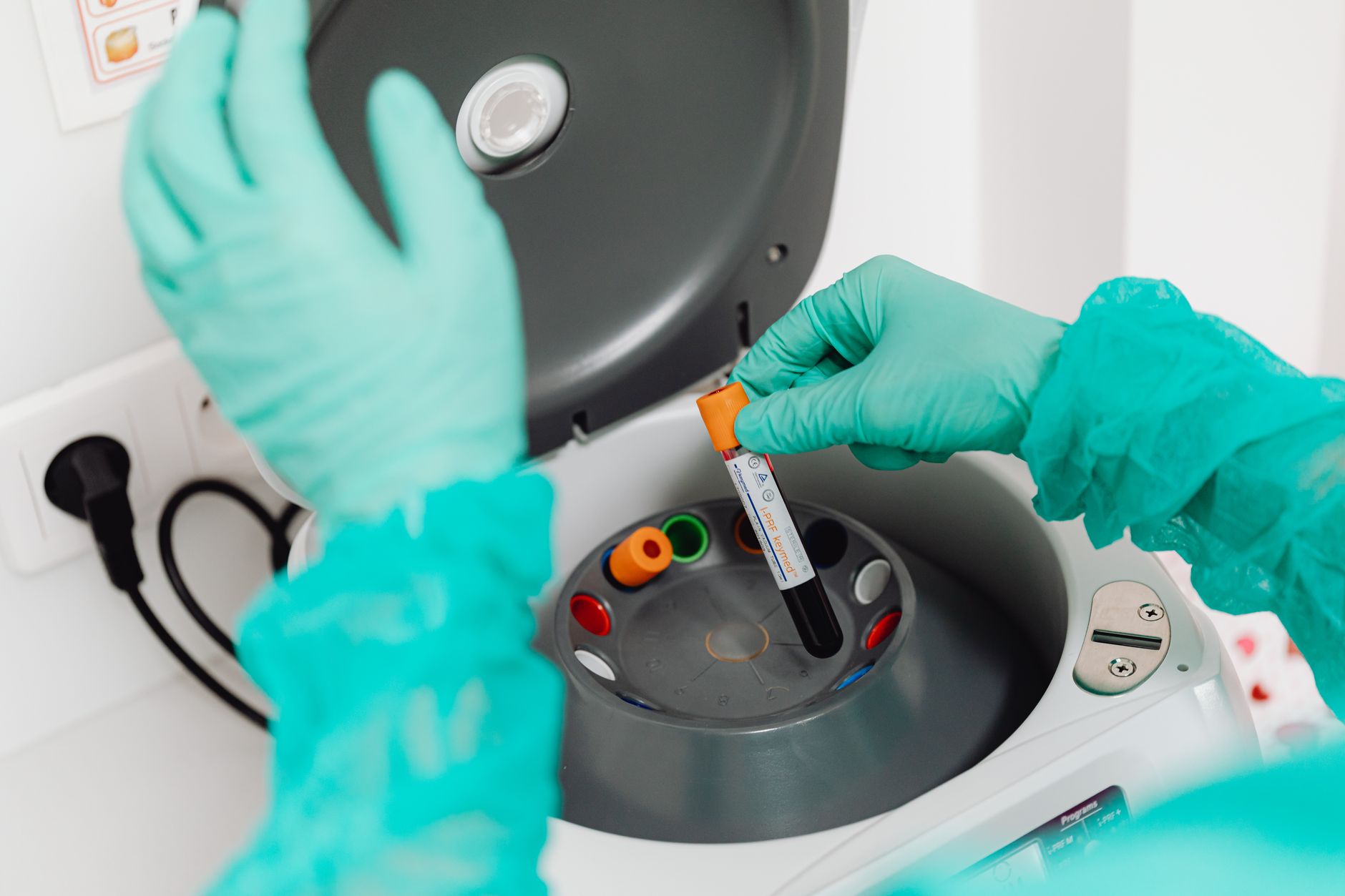
Multi-cancer detection tests represent a new frontier in oncology screening. Unlike traditional methods that screen for one specific cancer type at a time, these blood tests analyze circulating tumor DNA and other biomarkers that may indicate the presence of multiple cancer types simultaneously. The technology works by detecting tiny fragments of DNA shed by tumors into the bloodstream, even before symptoms appear or tumors become visible on imaging scans.
This approach offers several advantages over conventional screening methods. It is minimally invasive, requiring only a standard blood draw rather than more complex procedures like colonoscopies or tissue biopsies. The test can potentially detect cancers in hard-to-reach organs where early screening options are limited or non-existent.
The Guardant Health Technology
Guardant Health, a US-based precision oncology company, has been at the forefront of developing liquid biopsy tests. Their multi-cancer detection platform uses next-generation sequencing technology to analyze blood samples for genetic mutations and other molecular signals associated with cancer. The company has already established its presence in cancer genomic profiling for treatment selection and monitoring.
The test is designed to complement, not replace, existing recommended cancer screenings. It may be particularly valuable for detecting cancers that lack effective screening protocols, such as pancreatic, ovarian, and esophageal cancers.
Implications for Indian Healthcare
India faces a growing cancer burden, with cases expected to increase significantly in coming decades due to population growth, aging demographics, and lifestyle changes. Early detection remains one of the most critical factors in improving cancer survival rates, yet many cancers are diagnosed at advanced stages when treatment options are limited.
The introduction of multi-cancer detection tests in India could address several challenges:
- Improved early detection rates for multiple cancer types through a single test
- Reduced need for multiple invasive screening procedures
- Potential cost savings over time by catching cancers at treatable stages
- Increased accessibility to advanced cancer screening technology
- Better resource allocation in a healthcare system with varied access to specialized screening facilities
Considerations and Limitations
While multi-cancer detection tests represent promising technology, several important considerations exist. These tests are typically recommended for adults at elevated cancer risk, not necessarily for the general population. False positives can occur, potentially leading to unnecessary anxiety and follow-up procedures. False negatives are also possible, meaning the test might miss some cancers.
The cost of such advanced testing may initially limit accessibility, though partnerships with established laboratory networks like Dr Dangs Lab could help broaden availability over time. Insurance coverage and reimbursement policies for these newer technologies are still evolving in India.
The Broader Context of Cancer Screening
This development fits into a larger trend of personalized medicine and precision oncology gaining ground in India. The country has seen increased adoption of genetic testing, targeted therapies, and advanced diagnostic technologies in recent years. Government initiatives and private sector investments are expanding cancer care infrastructure across urban and semi-urban areas.
Healthcare experts emphasize that multi-cancer detection tests should be part of a comprehensive approach to cancer prevention and screening. Maintaining a healthy lifestyle, undergoing recommended age-appropriate screenings, and staying vigilant about symptoms remain essential components of cancer prevention strategy.
Looking Ahead
The availability of blood-based multi-cancer detection in India marks an important milestone in the country's oncology landscape. As the technology matures and more data emerges about its real-world effectiveness, it may become an increasingly important tool in the fight against cancer. The collaboration between international biotech companies and Indian diagnostic laboratories demonstrates how global innovations can be adapted to address local healthcare needs.
This article is for general informational purposes only and does not constitute medical advice. Individuals should consult qualified healthcare professionals to determine appropriate cancer screening strategies based on their personal risk factors, family history, and overall health status.