Assam's tourism sector has achieved an unprecedented milestone, welcoming six crore (60 million) visitors in what officials are calling a watershed moment for Northeast India's travel industry. This remarkable surge represents not just numbers on paper, but a fundamental shift in how travellers perceive and experience one of India's most culturally rich and ecologically diverse regions.
The Numbers Behind the Northeast's Tourism Revolution
The six crore visitor mark signifies more than a statistical achievement. It demonstrates growing confidence among domestic and international travellers in exploring regions previously considered off the beaten path. Assam, serving as the gateway to the Northeast, has leveraged its unique position to showcase everything from ancient temples and wildlife sanctuaries to tea gardens and river islands.
This tourism boom has created a ripple effect across the seven sister states, with improved connectivity and infrastructure making destinations in Meghalaya, Arunachal Pradesh, Nagaland, Manipur, Mizoram, and Tripura more accessible than ever before.
What's Driving Travellers to Assam
Several factors have converged to make Assam a must-visit destination for modern travellers seeking authentic experiences beyond India's traditional tourist circuits.
- Wildlife enthusiasts flock to Kaziranga National Park, home to the world's largest population of one-horned rhinoceros
- Adventure seekers explore river rafting opportunities on the Brahmaputra and trekking routes in lesser-known hill stations
- Cultural travellers discover ancient temples, vibrant festivals like Bihu, and diverse tribal heritage
- Tea tourism has emerged as a niche attraction, with plantations offering immersive experiences
- River island Majuli, the world's largest river island, draws those seeking spiritual and cultural authenticity
The state's strategic investments in tourism infrastructure have paid dividends. Better roads, improved air connectivity with expanded flight networks, and digital initiatives for tourist information have lowered barriers to entry for first-time visitors to the region.
Adventure Travel Takes Centre Stage
The new era of adventure travel in Assam reflects changing preferences among Indian tourists, particularly younger generations seeking experiences over conventional sightseeing. The state has responded by developing adventure tourism corridors that include paragliding sites, rock climbing facilities, and water sports centres.
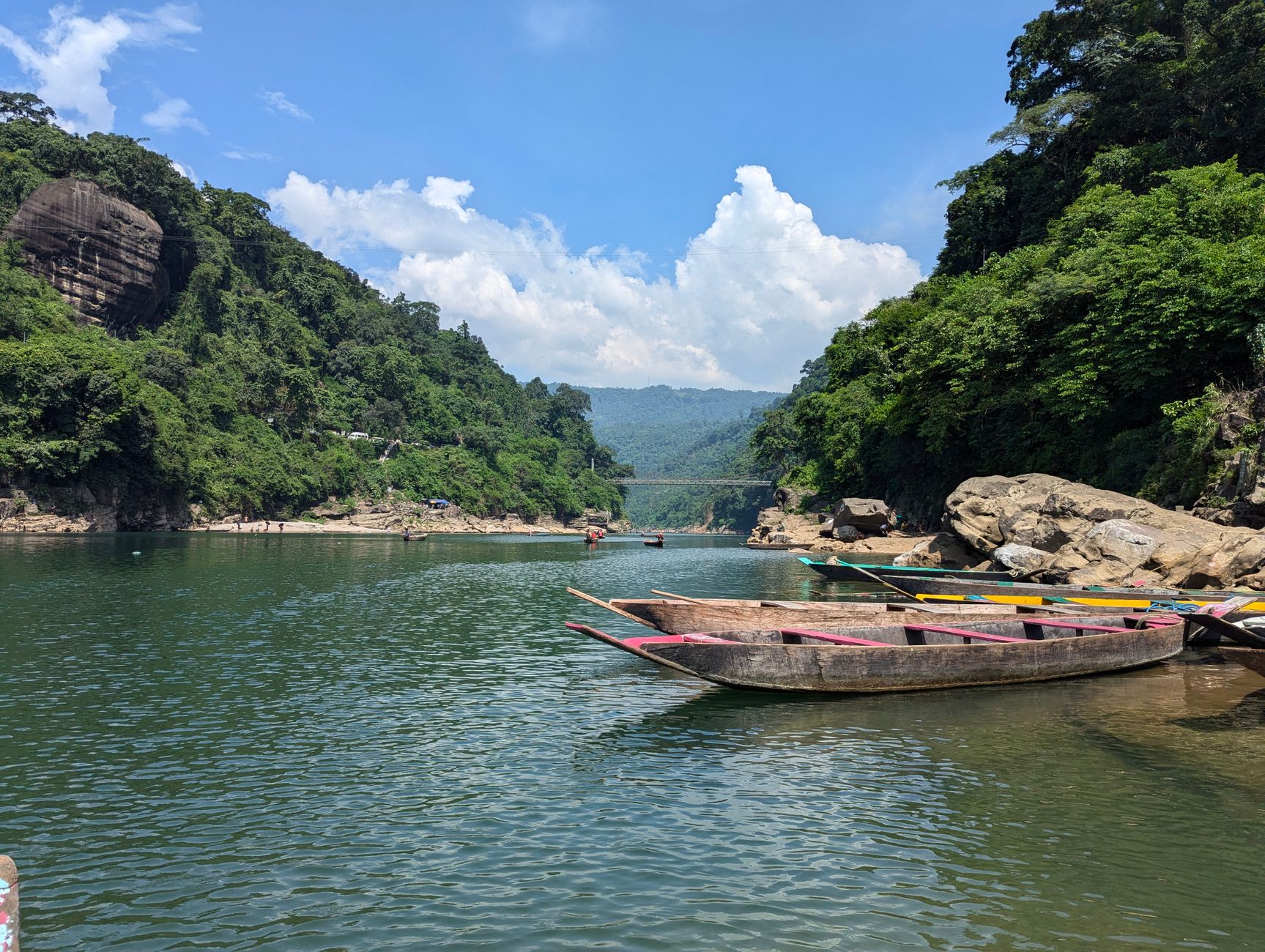
The Brahmaputra River itself has become an adventure tourism hotspot, with river cruises offering multi-day journeys that combine wildlife watching, cultural village visits, and scenic beauty. These cruises have attracted both luxury travellers and budget-conscious backpackers, creating diverse revenue streams for local communities.
Economic Impact and Community Transformation
The tourism influx has generated substantial economic benefits across Assam. Local entrepreneurs have launched homestays, tour operations, and handicraft businesses catering to visitor demand. Traditional weavers, particularly those producing Assam silk and Muga silk products, have found new markets among tourists seeking authentic souvenirs.
Employment generation has been significant, with estimates suggesting lakhs of direct and indirect jobs created through tourism-related activities. Young professionals who might have previously migrated to metros for opportunities are now finding viable careers in hospitality, guiding services, and tourism management within their home state.
Global Positioning and International Recognition
Assam's tourism triumph has not gone unnoticed on the global stage. International travel publications have increasingly featured Northeast India in their destination lists, while social media has amplified the region's visual appeal through stunning photographs of tea gardens, wildlife, and cultural festivals.
The state government's proactive marketing campaigns at international travel fairs and collaboration with online travel platforms have improved visibility among foreign tourists. Special visa facilitation measures for visiting certain protected areas have also helped streamline the experience for international visitors.
Infrastructure and Sustainability Challenges
Despite the success, sustaining this tourism growth presents challenges. Infrastructure in remote areas requires continuous upgrading to handle visitor loads without compromising ecological integrity. Popular destinations like Kaziranga face the delicate balance of maximizing tourism revenue while protecting wildlife habitats.
Sustainable tourism practices are becoming increasingly important as visitor numbers grow. Initiatives promoting responsible travel, waste management systems, and community-based tourism models are being implemented to ensure that tourism development benefits local populations without degrading the natural and cultural assets that make Assam attractive in the first place.
Looking Ahead: The Next Chapter
With six crore visitors as the new baseline, Assam's tourism authorities are setting even more ambitious targets. Plans include developing new tourist circuits connecting lesser-known destinations, creating specialized tourism products around wellness and spirituality, and leveraging technology for enhanced visitor experiences through virtual reality previews and augmented reality guides at heritage sites.
The success story of Assam's tourism sector offers valuable lessons for other states seeking to unlock their tourism potential while preserving their unique identity and environmental heritage.