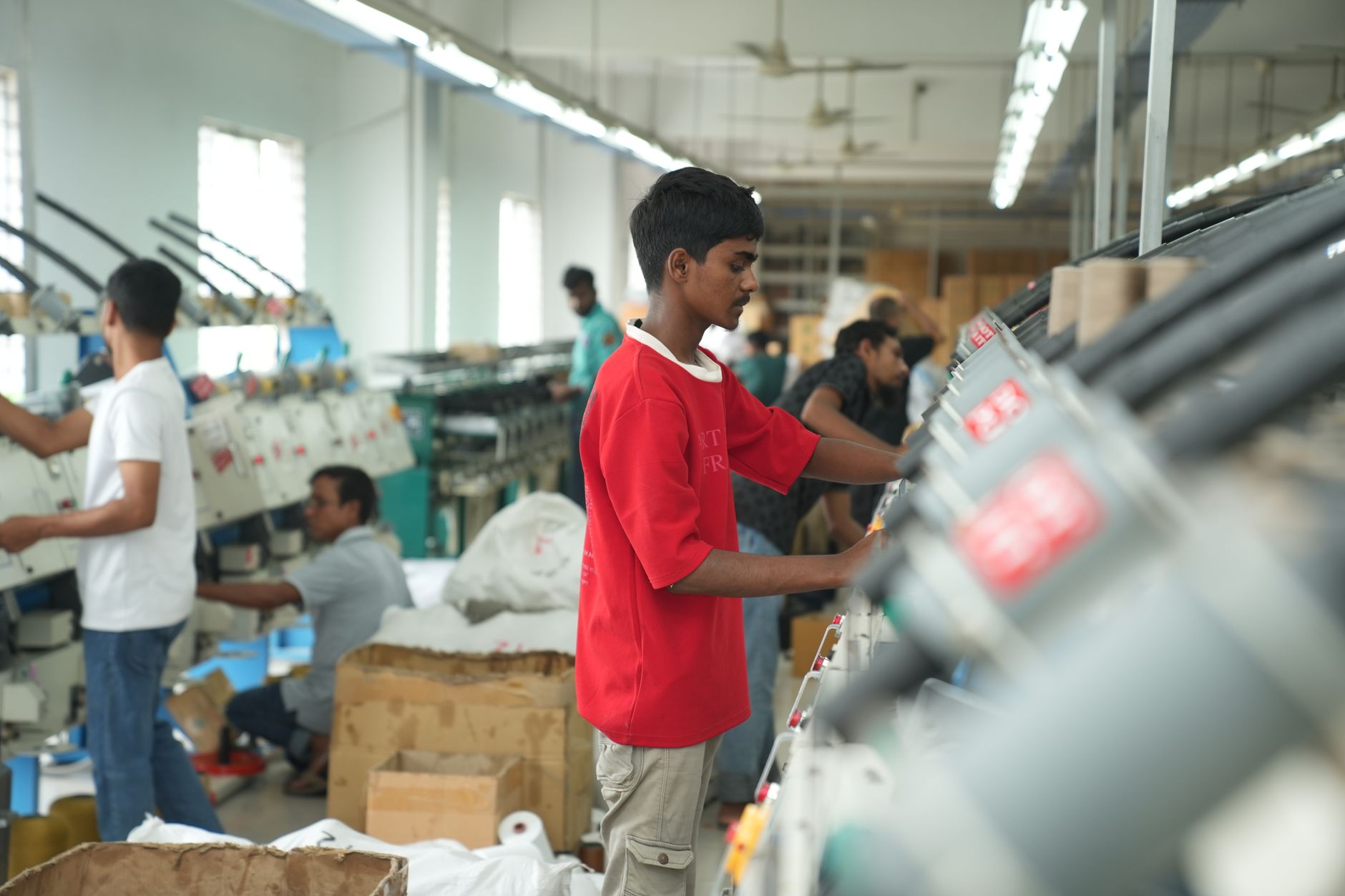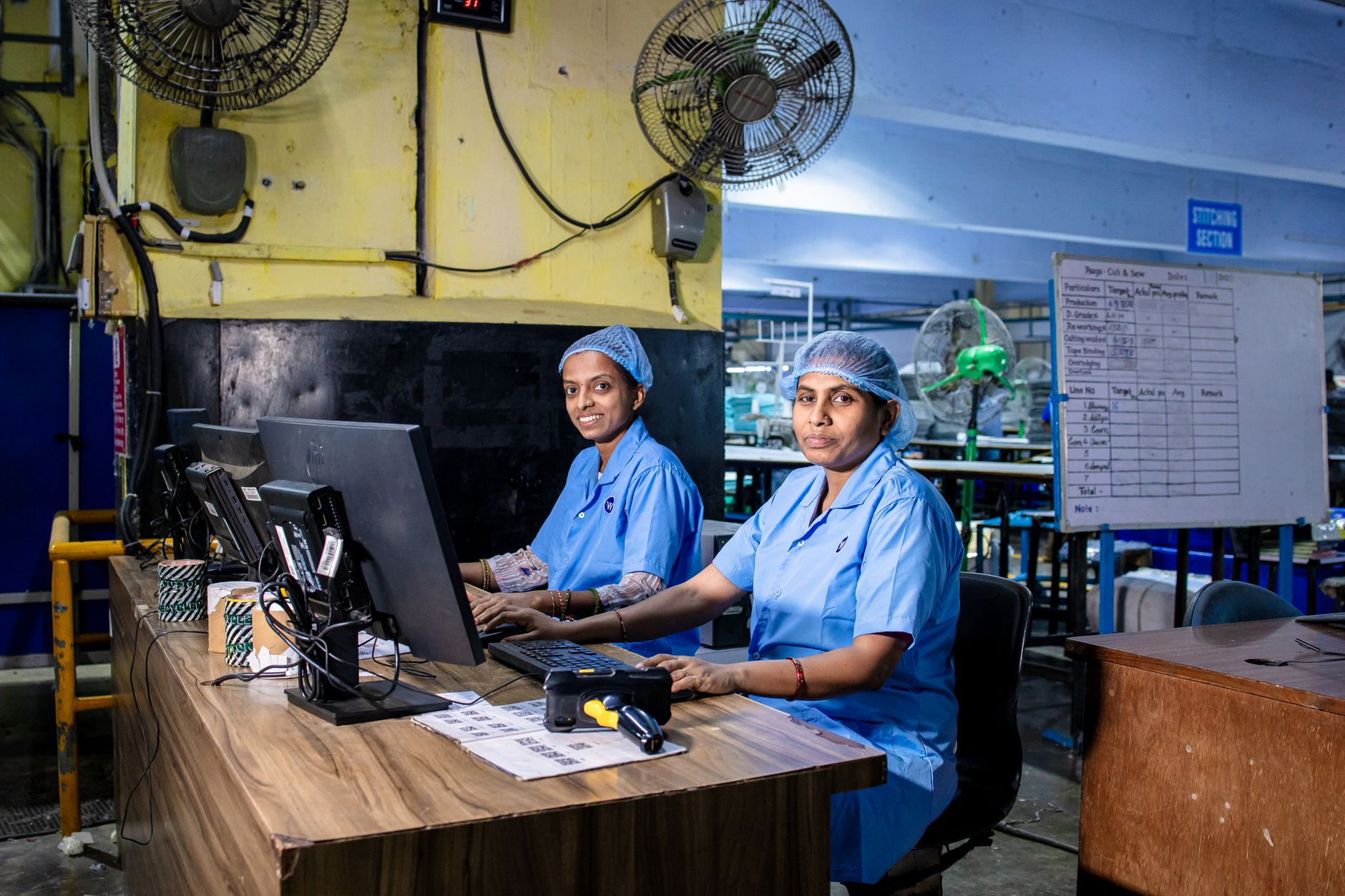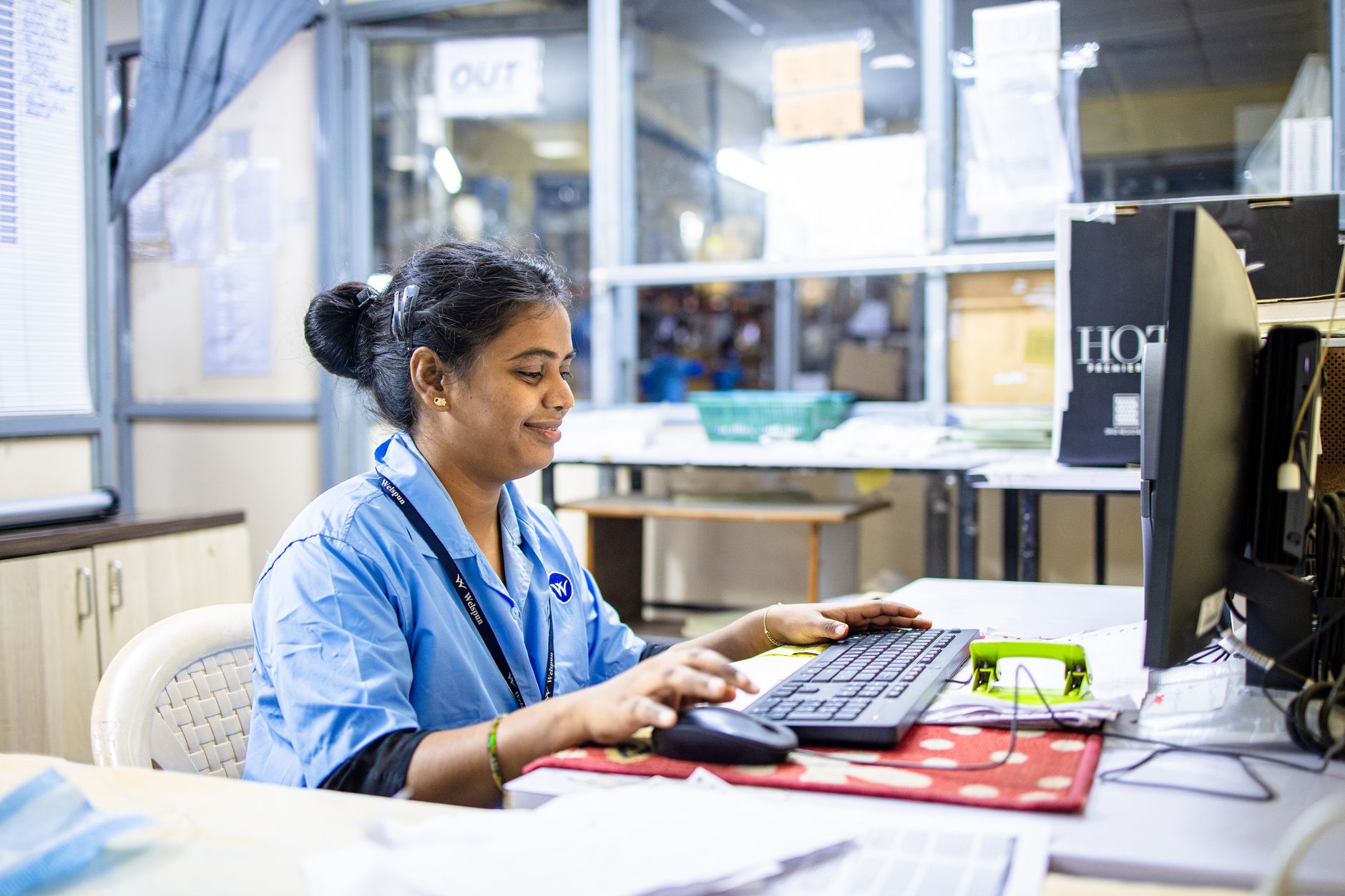
The business process outsourcing industry in India is witnessing a transformative shift as companies recognize that social impact and business excellence can go hand in hand. Alorica India's new impact sourcing initiative represents a significant step forward in creating employment opportunities for communities that have historically faced barriers to formal employment while simultaneously delivering strong business results.
Understanding Impact Sourcing
Impact sourcing is an employment model that intentionally hires and provides career development opportunities to people who otherwise have limited prospects for formal employment. This approach targets individuals from economically disadvantaged backgrounds, people with disabilities, women returning to the workforce, individuals from remote rural areas, and members of marginalized communities.
Unlike traditional corporate social responsibility programs that operate separately from core business functions, impact sourcing integrates social mission directly into hiring and operations. The goal is to prove that companies can achieve competitive performance metrics while creating meaningful social change through employment.
Why Impact Sourcing Matters in India
India faces a complex employment landscape despite being one of the world's fastest-growing economies. Millions of young people enter the workforce each year, but significant disparities exist in who gets access to quality jobs. Urban-rural divides, caste and gender discrimination, disability stigma, and educational inequalities create barriers that keep talented individuals from reaching their potential.
The BPO and customer service sector employs millions of Indians and has been a major driver of middle-class growth. However, these jobs have traditionally concentrated in major cities and among specific demographic groups. Impact sourcing initiatives seek to democratize access to these opportunities.
For underrepresented communities, formal employment in reputable companies offers more than just income. It provides:
- Access to skills training and professional development
- Dignity and social mobility
- Health benefits and financial security
- Opportunities to break intergenerational cycles of poverty
- Integration into broader economic networks
The Business Case for Inclusive Hiring
Alorica India's initiative highlights an important reality: hiring from underrepresented communities is not charity—it's good business. Companies that have implemented impact sourcing programs consistently report several advantages.
Employee loyalty and retention rates often exceed industry averages when companies invest in workers from disadvantaged backgrounds. These employees typically demonstrate strong commitment to employers who give them opportunities others would not. Lower attrition translates directly to reduced recruitment and training costs, a significant consideration in the high-turnover BPO sector.
Geographic diversity in hiring allows companies to tap into talent pools in tier-2 and tier-3 cities where competition for skilled workers is less intense and wage pressures are lower. This can improve operational economics while bringing employment to communities that need it most.
Many impact sourcing employees bring unique perspectives that improve customer service. Individuals who have overcome significant life challenges often demonstrate exceptional empathy, problem-solving skills, and resilience—qualities that translate well to customer-facing roles.
Implementation Challenges and Solutions
Creating successful impact sourcing programs requires more than good intentions. Companies must address several practical challenges.
Training programs may need adaptation to account for varied educational backgrounds and learning styles. Alorica and similar companies invest in comprehensive onboarding that builds both technical skills and workplace soft skills, ensuring all employees can succeed regardless of their starting point.
Infrastructure considerations matter when hiring from remote areas or economically disadvantaged communities. Companies may need to provide transportation support, flexible scheduling to accommodate family responsibilities, or even basic resources like internet connectivity for work-from-home arrangements.
Creating inclusive workplace cultures requires ongoing effort. Sensitivity training for managers, mentorship programs, and clear anti-discrimination policies help ensure that diverse hires are not just recruited but genuinely integrated and supported.
Broader Implications for India's Employment Sector
Alorica India's initiative arrives at a critical moment for Indian employment policy. As automation and artificial intelligence transform the nature of work, ensuring inclusive access to quality jobs becomes increasingly important. Impact sourcing demonstrates that technology-enabled service roles can be pathways to prosperity for marginalized communities when companies commit to inclusive practices.
The initiative also aligns with India's national priorities around skill development and inclusive growth. Government programs like the Pradhan Mantri Kaushal Vikas Yojana aim to train millions of young Indians in employable skills. Private sector impact sourcing creates the demand side of this equation—employers willing to hire and invest in talent from all backgrounds.
As more companies document the business and social benefits of impact sourcing, this model may spread beyond BPO to other sectors including technology, manufacturing, and professional services. The evidence that inclusive hiring supports rather than compromises performance could reshape India's employment landscape, creating opportunities for millions who have been left behind by conventional hiring practices.