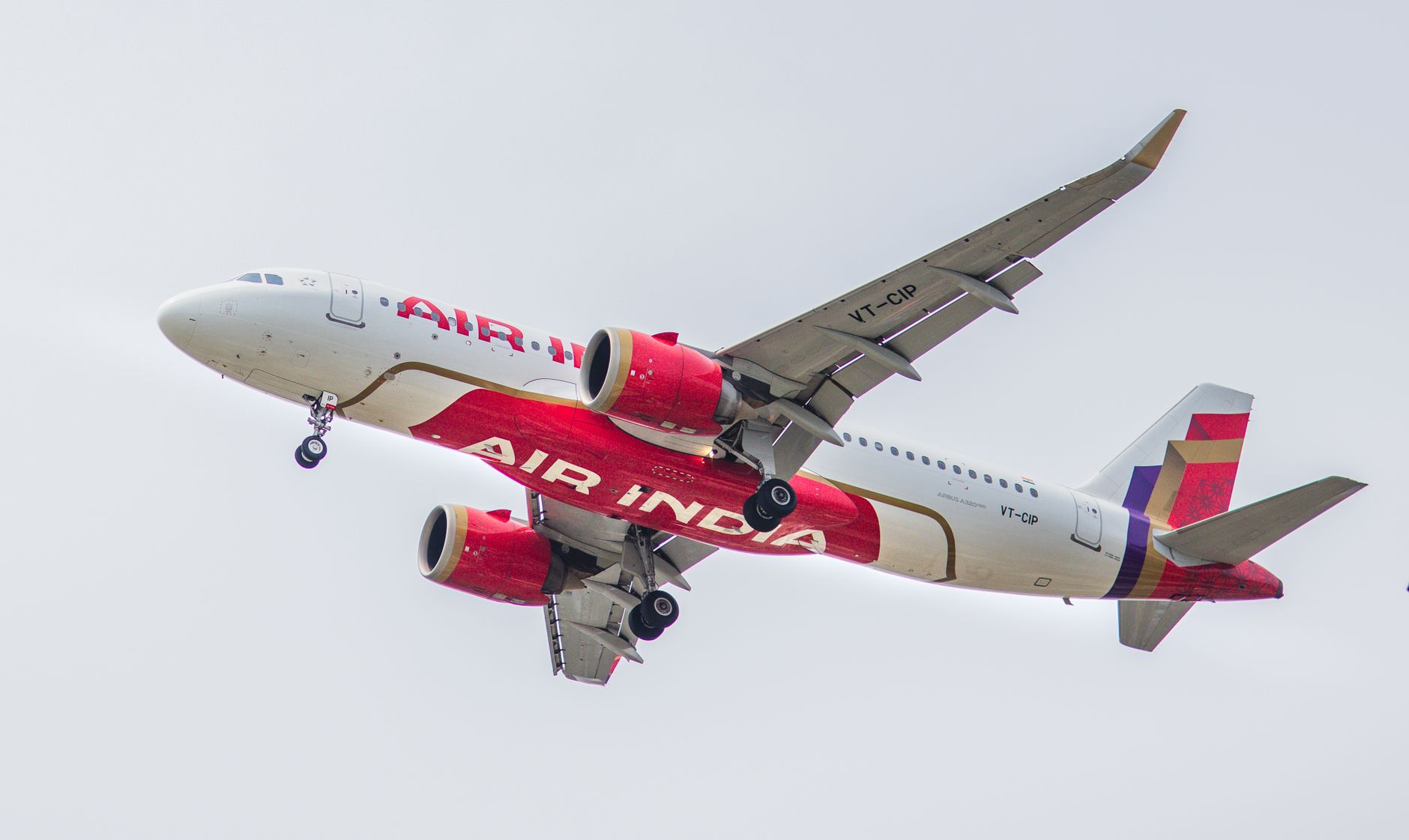
India's aviation and tourism sectors are converging in an ambitious partnership that seeks to transform the country's global image as a must-visit destination. The collaboration between Air India and the Ministry of Tourism represents a strategic alignment of resources, with the national carrier's expanding network serving as a catalyst for increased tourist arrivals.
The Strategic Significance
This partnership arrives at a crucial moment for Indian tourism. After recovering from pandemic-era disruptions, India welcomed over 6 million international tourists in 2023, yet this figure still trails behind regional competitors like Thailand and Malaysia. The tie-up aims to bridge this gap by creating synergies between aviation connectivity and destination marketing.
Air India, following its acquisition by the Tata Group in 2022, has been undergoing a comprehensive transformation. The airline has placed orders for hundreds of new aircraft and is expanding both domestic and international routes. By partnering with the Tourism Ministry, these enhanced flight options can now be paired with coordinated promotional campaigns that showcase India's diverse offerings.
Key Components of the Partnership
The collaboration is expected to encompass multiple dimensions of travel promotion and facilitation. Joint marketing campaigns will likely target key source markets including the United States, United Kingdom, Australia, and Gulf nations, where Air India maintains significant presence.
The partnership may involve co-branded promotional materials, discounted travel packages combining airfare with tourism experiences, and coordinated participation in international travel trade shows. Air India's in-flight entertainment systems and airport lounges could feature Tourism Ministry content highlighting lesser-known Indian destinations.
Enhanced connectivity to tier-two cities represents another crucial element. While metros like Delhi, Mumbai, and Bengaluru already receive substantial tourist traffic, places like Guwahati, Bhubaneswar, Jaipur, and Coimbatore offer rich cultural and natural experiences that remain relatively unexplored by international visitors.
India's Tourism Potential
India's tourism landscape encompasses an extraordinary range of experiences. The country boasts 40 UNESCO World Heritage Sites, including the iconic Taj Mahal, ancient temple complexes, and biodiversity hotspots. From Himalayan trekking routes to Kerala's backwaters, from Rajasthan's desert forts to Goa's beaches, the geographical diversity supports year-round tourism.
Wellness tourism, centered around yoga and Ayurveda, has emerged as a significant growth segment. Spiritual tourism attracts millions seeking experiences in Varanasi, Rishikesh, and other sacred sites. Additionally, India's thriving cities offer technology tours, culinary experiences, and modern entertainment options that appeal to younger, contemporary travelers.
Addressing Existing Challenges
Despite its potential, India faces certain perception and infrastructure challenges that the partnership must address. Visa facilitation remains important, though the e-visa system has already simplified entry for citizens of over 160 countries. The partnership could promote awareness of these streamlined procedures.
Airport infrastructure, particularly for international arrivals, has seen substantial improvements with modernized terminals in major cities. However, ensuring smooth ground transportation, quality accommodation options across price points, and tourist-friendly urban environments requires continued investment and coordination.
Air India's service quality improvements under new ownership will play a crucial role. International tourists' first impression often forms during their flight experience, making the airline an ambassador for the destination itself.
Economic Implications
Tourism contributes approximately 6-7 percent to India's GDP and employs millions across hospitality, transportation, retail, and ancillary services. Increasing international arrivals can generate foreign exchange, create employment opportunities, and support local economies, particularly in regions dependent on tourism.
The partnership aligns with India's broader economic goals of positioning the country as a global business and leisure hub. As India hosts international events and conferences, seamless travel connectivity combined with positive destination marketing becomes essential for sustained growth.
Looking Ahead
Success will require sustained commitment from both partners, along with coordination with state tourism boards, hotel associations, and travel trade bodies. Monitoring arrival statistics, tourist satisfaction scores, and repeat visitation rates will help measure the partnership's effectiveness.
As global travel patterns evolve post-pandemic, with travelers seeking authentic, diverse experiences, India is well-positioned to capture market share. The Air India-Tourism Ministry collaboration provides institutional framework to convert this potential into tangible results, potentially establishing India among the world's top five tourist destinations within the next decade.