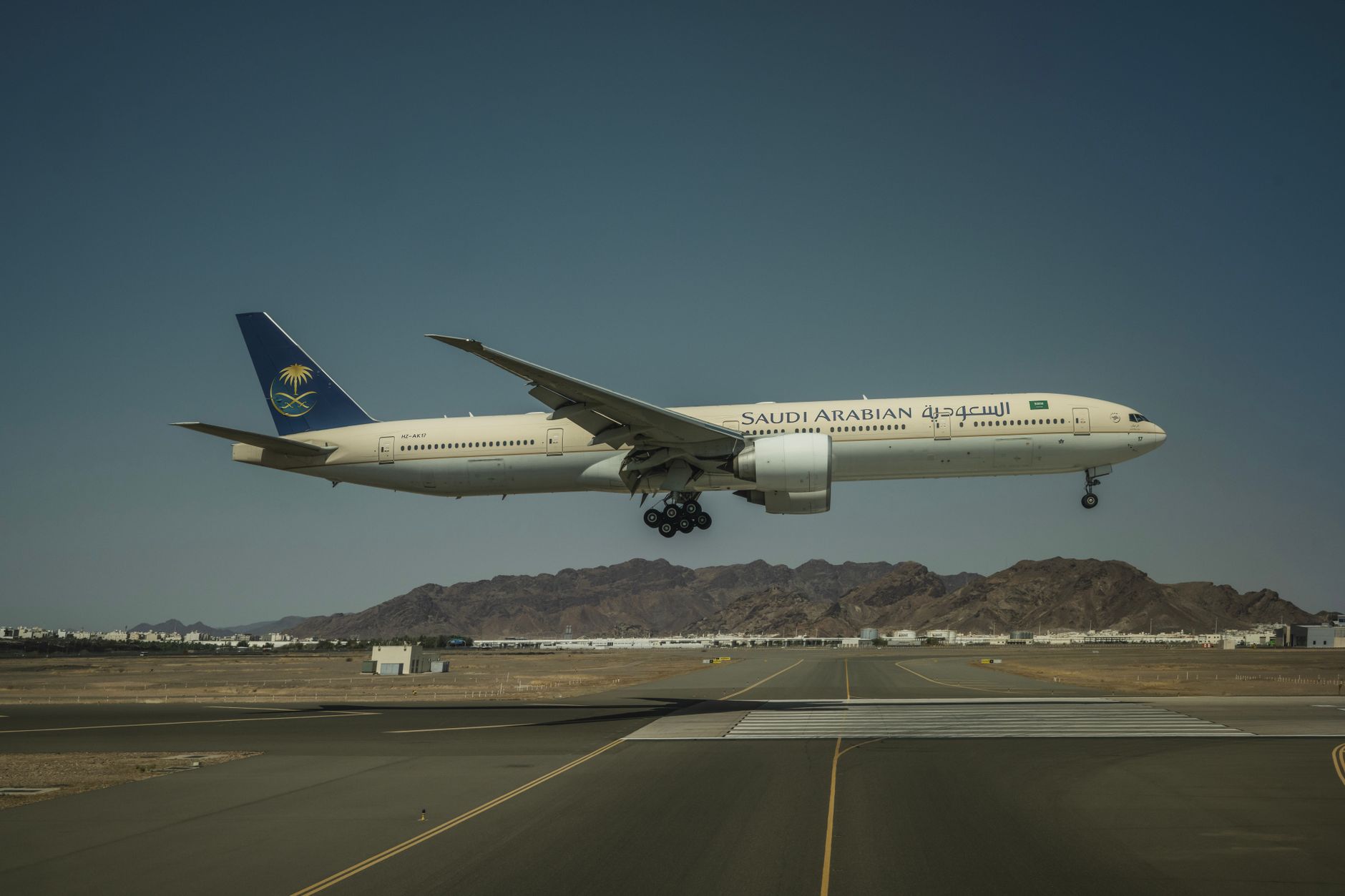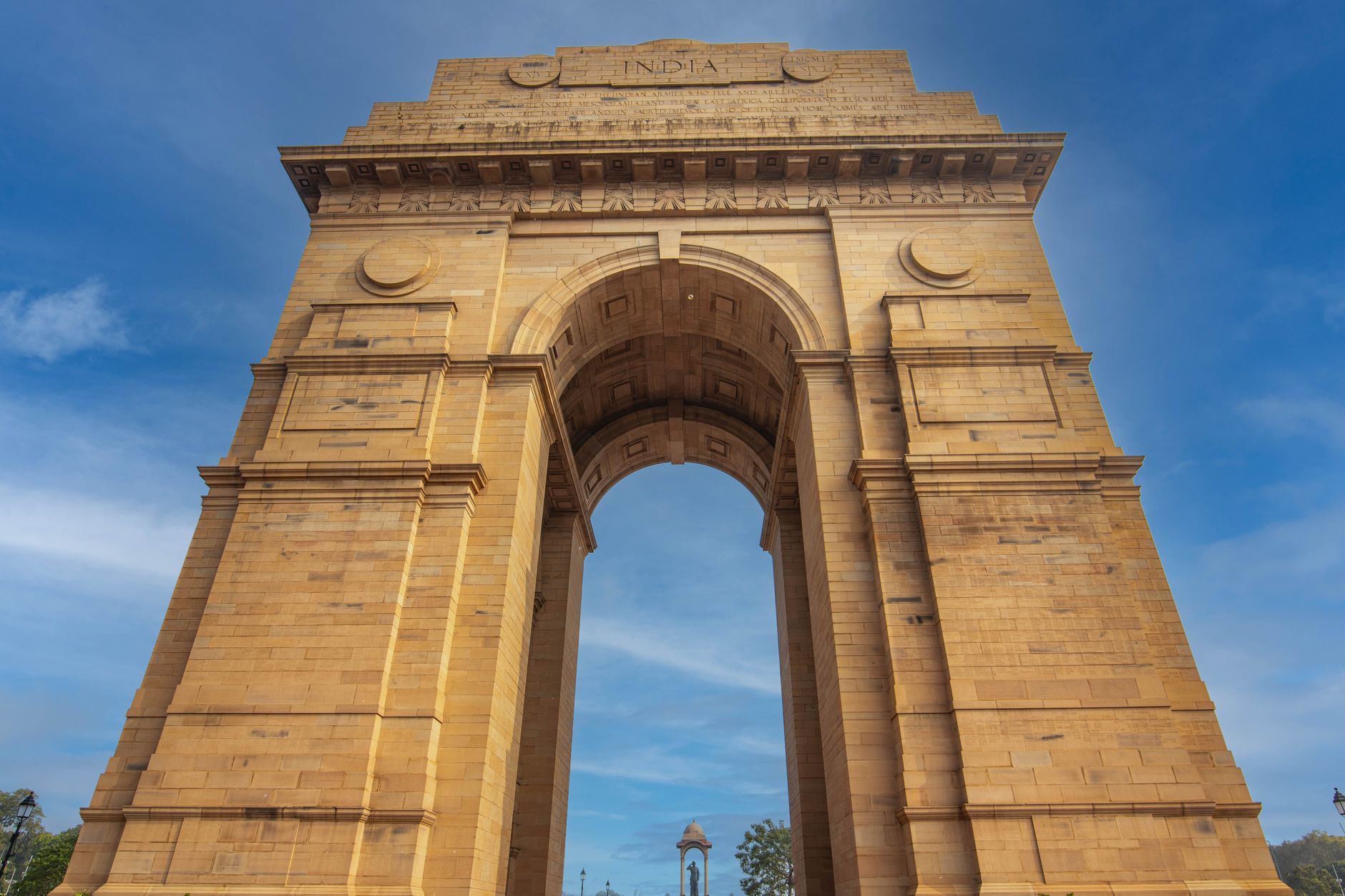
The signing of a Memorandum of Understanding between Air India and India's Ministry of Tourism marks a significant step forward in the country's efforts to enhance its tourism sector. This collaboration brings together the national carrier and the government body responsible for promoting India as a travel destination, creating synergies that could benefit both domestic and international travelers.
What This Partnership Means
The MoU establishes a framework for cooperation between Air India and the Tourism Ministry on multiple fronts. Such agreements typically involve joint marketing initiatives, coordinated promotion of Indian destinations, and efforts to improve overall travel experiences for tourists visiting India. By combining the airline's extensive network and operational capabilities with the ministry's promotional expertise and policy influence, the partnership aims to create a more seamless and attractive travel ecosystem.
This type of collaboration is not uncommon in the global tourism industry, where airlines and tourism boards often work together to drive visitor numbers and improve destination appeal. For India, which has been actively working to increase its share of global tourism, such partnerships are crucial for competing with other popular Asian destinations.
Potential Benefits for Travelers
The collaboration could translate into several tangible benefits for people traveling to and within India:
- Enhanced connectivity to lesser-known tourist destinations through new or expanded flight routes
- Joint promotional packages that combine flights with hotel stays and tour experiences
- Improved coordination between air travel schedules and major tourism events or festivals
- Better information sharing about Indian destinations through Air India's customer touchpoints
- Potential for special fares or packages targeting specific tourist segments
International tourists may find it easier to plan multi-city trips within India, while domestic travelers could benefit from increased awareness of tourism opportunities in their own country.
Strategic Importance for Air India
For Air India, which has undergone significant transformation following its acquisition by the Tata Group, partnerships with government bodies like the Tourism Ministry can strengthen its position in the market. The airline has been working to modernize its fleet, improve service standards, and expand its route network. Aligning with national tourism objectives allows Air India to position itself as more than just a transportation provider—it becomes an integral part of the country's tourism value chain.
The partnership also provides Air India with access to the Tourism Ministry's research, market intelligence, and promotional platforms, which can inform route planning and service design decisions.
Boosting India's Tourism Sector
India's tourism sector has immense potential but faces challenges including infrastructure gaps, complex visa procedures for some nationalities, and competition from neighboring countries with more developed tourism industries. The country welcomes millions of international visitors annually, but there is widespread recognition that this number could be significantly higher given India's cultural wealth, historical sites, natural diversity, and spiritual significance.
Government initiatives like the "Incredible India" campaign have raised the country's profile globally, but converting interest into actual visits requires strong execution across multiple touchpoints—including convenient and affordable air connectivity.
Focus Areas Likely to Emerge
While specific details of the MoU's implementation will emerge over time, certain focus areas are likely based on current tourism priorities:
- Promoting spiritual and wellness tourism, areas where India has natural advantages
- Highlighting adventure tourism opportunities in regions like the Himalayas and Western Ghats
- Supporting MICE tourism (Meetings, Incentives, Conferences, and Exhibitions)
- Developing regional tourism circuits that encourage longer stays
- Improving accessibility to UNESCO World Heritage Sites
- Showcasing India's diverse culinary traditions as part of the tourism experience
The Broader Context
This MoU comes at a time when global tourism is experiencing strong recovery following pandemic-related disruptions. Countries worldwide are competing intensively for tourist arrivals and spending. India's partnership between its flagship carrier and tourism authority reflects a recognition that coordinated, strategic approaches are necessary to capture market share.
The collaboration also aligns with broader government objectives around economic development, as tourism generates employment across multiple sectors and contributes significantly to GDP growth.
As implementation details emerge, the true impact of this partnership will become clearer. Success will ultimately be measured in increased tourist arrivals, improved visitor satisfaction, and enhanced economic benefits flowing to communities across India's diverse regions.