India's healthcare system has long grappled with a fundamental challenge: how to deliver quality medical care to 1.4 billion people spread across vast geographical distances, with a severe shortage of doctors and specialists. The answer increasingly lies in the smartphones carried by community health workers, nurses, and primary care physicians—devices now powered by artificial intelligence that brings expert medical protocols to every consultation.
The Healthcare Gap AI Is Filling
India faces a critical shortage of healthcare professionals, particularly in rural areas where nearly 65% of the population resides. The country has approximately 1 doctor per 1,400 people, far below the WHO recommendation of 1 per 1,000. This shortage becomes even more acute for specialists—a village health worker might be the only medical contact for thousands of residents.
This is where AI-powered healthcare protocols are making a transformative difference. Mobile applications and digital tools now guide frontline health workers through standardized diagnostic procedures, treatment protocols, and referral decisions based on symptoms and patient data. These systems essentially democratize medical expertise, ensuring that a health worker in rural Bihar can apply the same evidence-based protocols as a doctor in a Mumbai hospital.
How AI Protocols Work at the Grassroots
AI healthcare applications function as intelligent decision support systems. When a community health worker encounters a patient, they input symptoms, vital signs, and patient history into a mobile app. The AI system then cross-references this information against vast medical databases, clinical guidelines, and treatment protocols to suggest likely diagnoses and appropriate next steps.
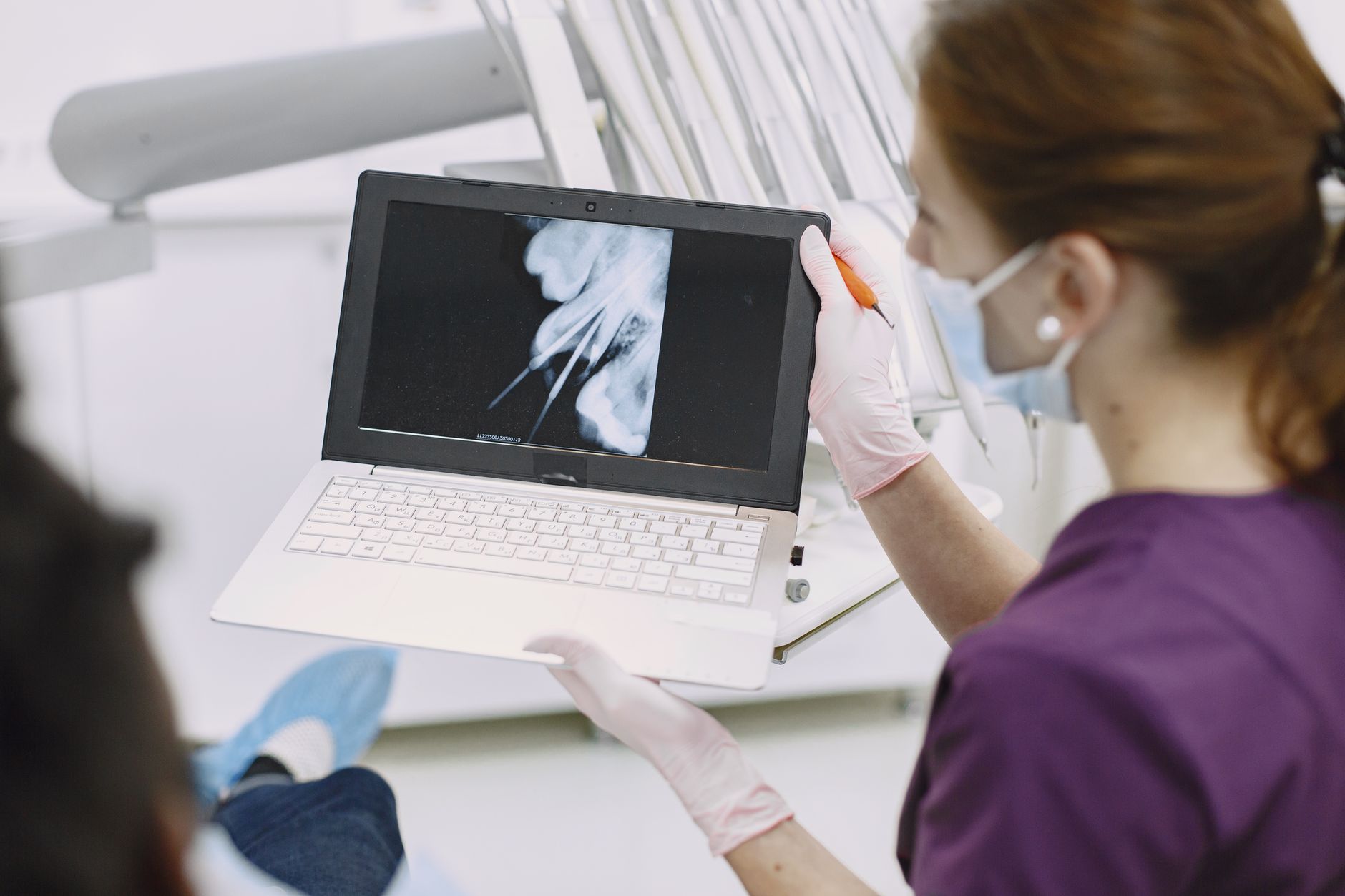
For example, an ASHA worker screening for tuberculosis can use AI-powered chest X-ray analysis tools that detect abnormalities with accuracy comparable to radiologists. Similarly, AI applications help identify diabetic retinopathy, assess maternal health risks during pregnancy, and triage emergency cases for immediate referral.
These systems also incorporate India-specific health challenges and disease patterns. They account for regional variations in disease prevalence, nutritional deficiencies common in specific areas, and cultural factors that influence healthcare delivery.
Real-World Applications Across India
Several AI-driven healthcare initiatives are already operational across Indian states. Government health programs increasingly integrate AI tools into their workflows, while numerous startups have developed vernacular-language applications tailored for low-literacy health workers.
Telemedicine platforms powered by AI now connect rural patients with urban specialists, with preliminary AI screening helping prioritize urgent cases. Predictive algorithms help public health officials anticipate disease outbreaks by analyzing patterns in reported symptoms across regions.
In urban areas, AI assists overburdened doctors in busy government hospitals by automating routine diagnostic tasks, flagging critical cases, and maintaining digital health records that improve continuity of care.
Challenges and Considerations
Despite promising developments, significant hurdles remain. Digital literacy among healthcare workers varies considerably, and many rural areas still lack reliable internet connectivity. Data privacy concerns arise when sensitive health information is digitized, particularly given India's evolving data protection regulations.
There's also the critical question of liability—when an AI system suggests a diagnosis or treatment and complications arise, determining responsibility becomes complex. Healthcare providers must understand that AI tools are assistive technologies, not replacements for human judgment and clinical experience.
The accuracy of AI systems depends heavily on the quality and diversity of training data. If algorithms are trained primarily on data from urban hospitals or specific population groups, they may perform poorly when applied to different demographics or disease presentations.
The Path Forward
For AI to truly transform India's healthcare landscape, several elements must align. Investment in digital infrastructure must continue, ensuring that even remote health posts have connectivity. Training programs should equip health workers not just to use AI tools, but to understand their limitations and interpret results appropriately.
Regulatory frameworks need development to ensure AI healthcare applications meet safety and efficacy standards while encouraging innovation. Most importantly, these technologies must be designed with input from the frontline workers who will use them, ensuring interfaces are intuitive and culturally appropriate.
The vision of "protocol in every pocket" represents more than technological advancement—it's about health equity. By placing evidence-based medical knowledge in the hands of every healthcare worker, AI can help bridge the gap between India's overburdened medical system and its vast population's healthcare needs.
This article is for general informational purposes only and does not constitute medical advice. Healthcare decisions should always be made in consultation with qualified medical professionals. The effectiveness of AI healthcare tools may vary, and they should complement rather than replace human medical judgment.